Why Extending the Life of Mobile Phones Matters for Australia
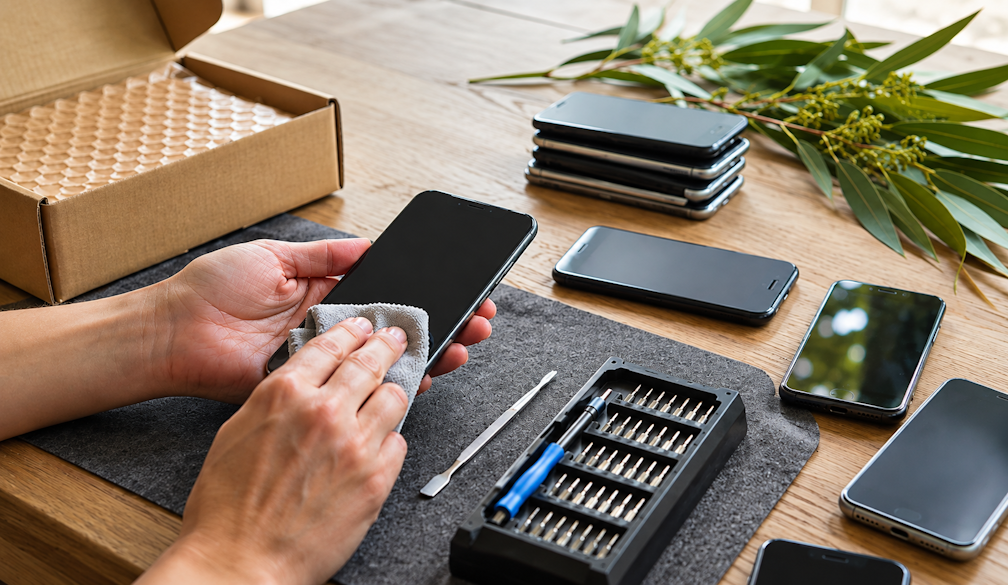
Extending a phone’s life begins with preparing it for reuse, repair or responsible recycling. Image supplied by the contributor and created exclusively for this submission.
Most Australians know the small ritual that follows a phone upgrade. The new device is set up, the old one is switched off and, rather than being passed on, it disappears into a drawer. It may stay there for years: too useful to throw away, too personal to hand over and increasingly unlikely to be used again.
That ordinary household habit has become a national resource problem. Research cited by MobileMuster in 2023 estimated that more than 26 million phones were sitting unused in Australian homes, including about five million that were broken beyond use. The figures are striking, but they also reveal an opportunity. Many of those devices are not waste at all. They are working products, repairable products or compact stores of materials that should remain in circulation.
The argument for longer phone life is not an argument against technology. Mobile phones support work, education, banking, health care and relationships. The issue is how casually we treat the value already embedded in each device. A phone has travelled through mining,
refining, component production, assembly and global transport before it reaches a consumer. Replacing it while it can still perform a useful job means that economic and environmental investment is cut short.
A working phone should not become waste
Recycling is important, but it should not be the first destination for a functioning handset. Reuse preserves the device itself: its screen, cameras, processor, battery, frame, and the manufacturing effort that brought those parts together. Recycling recovers some materials, but it cannot recover the years of use that were left in a phone destroyed too early.
A better order is simple. Keep a phone for as long as it remains secure and practical. Repair it when a sensible repair can extend its service. Pass it to another user through resale, trade-in, donation or a family hand-me-down. Recycle it responsibly only when continued use is no longer realistic. This is the logic of a circular economy in everyday terms: obtain more value from products already made, then recover their materials at the true end of life.
Longer use can also make digital access more affordable. A reliable second-hand device may offer a student, a family or a small business the functions they need without the price of a new flagship model. That does not mean every old handset is suitable for every user. Devices must still support necessary security updates, function safely and be represented honestly. It does
mean that age alone should not decide whether a phone has value.
Why so many phones remain in drawers
People keep old phones for understandable reasons. Some want an emergency spare. Others are unsure whether a scratched screen, weak battery or damaged camera makes the device worthless. Many intend to deal with it later but cannot decide whether to sell, donate or recycle it. The strongest hesitation is often personal data.
A smartphone can hold photographs, messages, passwords, financial information and access to cloud accounts. For many owners, leaving the device untouched feels safer than making a mistake.
Any serious reuse system must respect that concern. Telling people merely to ‘factory reset’ their phone is not enough. They need a short, reliable process and clear responsibility from the business, charity or recycler receiving the device. Better information about data removal is not separate from environmental policy; it is one of the conditions that allows reuse to happen.
Protect the data before passing on the device
Back up what matters. Transfer photographs, contacts, documents, messages and authenticator access to a new device or another secure location. Confirm that the backup can be opened before deleting anything from the old phone.
Sign out and remove account locks. Follow the manufacturer’s current instructions to sign out of the main Apple or Google account, disable device-finding features and remove activation locks. Unpair connected watches or other accessories. A reset phone that remains locked to its former owner may be impossible for the next person to use.
Remove the SIM and memory card. These small items can contain account or personal information and usually do not need to travel with the phone. If the device uses an eSIM, ask the carrier or follow the phone’s instructions to transfer or delete it.
Erase the phone and verify the result. Use the device’s built-in factory-reset function after accounts and locks have been removed. When it restarts, check that it shows the initial setup screen rather than personal photos, apps or notifications. Do not rely on manually deleting a few visible files.
For people who want a simple process to follow, this phone preparation checklist explains the main steps to complete before a device is sold or passed on.
Choose a responsible next destination. Use a recipient that explains its assessment, data and recycling processes. Record the phone’s identifying details before sending it and pack it securely. A device with a swollen, leaking or damaged battery needs special handling and should not be placed in household rubbish or mailed without appropriate advice.
Convenience must support responsible choices
Australians are more likely to act when the next step is obvious. For a working phone, that can begin with checking whether it has a realistic resale or reuse value through a specialist service such as Sell Your Mobile. The point is not that every device should be sold. It is that owners should distinguish between a product that still has a job to do and genuine electronic waste.
When a phone can no longer be safely used or economically repaired, accredited recycling provides the right path. The Australian Government’s product stewardship information identifies MobileMuster as the industry arrangement for collecting and recycling mobile phones and accessories. This matters because phones and lithium-ion batteries do not belong in ordinary household bins, where they can create safety risks and valuable materials are lost.
Businesses also have responsibilities. Retailers, repairers, manufacturers and buy-back operators should make condition standards understandable, explain what happens to devices that cannot be reused and avoid encouraging people to send unsafe batteries through inappropriate channels.
Manufacturers can support longer use through security updates, repairable design, access to parts and clear reset instructions. Government can strengthen product stewardship and improve public awareness so that reuse and recycling are not left to chance.
None of this requires Australians to reject new technology or keep an unusable phone forever. It asks for a more accurate idea of value. A phone’s value does not end when its first owner upgrades, and environmental responsibility does not begin only when a device reaches a
recycling bin. The greatest gains often come earlier: using products longer, maintaining them properly and giving them a second useful life.
A small device with a long life
A mobile phone is small enough to forget in a drawer, yet complex enough to embody a global chain of materials, energy and labour. Multiplied across millions of households, the decision to keep, repair, pass on or recycle each device becomes significant.
Australia does not need to wait for a perfect circular economy before making progress. We can start by treating working phones as useful products rather than future rubbish, by making data protection part of every handover and by reserving recycling for devices that have genuinely reached the end of their service. The next time an upgrade arrives, the old phone should not automatically begin a second life in a drawer. It should begin a useful life somewhere else.