How to Maintain Exterior Surfaces: Sandstone Cleaning, Pressure Cleaning and How Long After Sealing a Driveway You Can Drive on It
- Written by: Times Media
Maintaining the exterior surfaces of your home is vital for preserving both its market value and its street appeal. For homeowners living along the spectacular Sydney coastline, salt spray, high humidity, and intense sunlight pose constant challenges to outdoor spaces. Professional sandstone cleaning in Northern Beaches properties is often the first line of defence against unsightly mould growth and salt damage. Beyond delicate stone surfaces, hardier structures like concrete driveways and tiled patios also require regular attention. By understanding how to clean, seal, and protect these different materials, you can keep your property looking pristine year-round while preventing costly structural degradation over time.
The Unique Challenges of Coastal Stone Maintenance
Sandstone remains a highly popular building material across Sydney's coastal suburbs due to its warm, natural aesthetic. However, its porous nature makes it highly susceptible to moisture absorption, salt attack, and organic growth. Over time, black mould, green algae, and lichen take root inside the stone's pores, making surfaces slippery and hazardous. Engaging in regular sandstone cleaning in Northern Beaches homes helps prevent this organic matter from permanently staining the stone.
Understanding Salt Attack on Sandstone
Salt damp occurs when saltwater penetrates the stone and evaporates, leaving salt crystals behind. As these crystals grow, they exert internal pressure on the sandstone, causing it to crumble or flake. This process, known as spalling, can ruin beautiful garden paths and retaining walls.
Why Soft Washing is Key
While high-pressure washing works well on concrete, it can easily gouge and erode soft sandstone. Professionals utilise a soft washing technique, which combines low-pressure water with specialised, biodegradable cleaning solutions. This method kills organic spores at their roots without damaging the delicate stone surface. Adopting this approach ensures your sandstone features retain their structural integrity and natural beauty for decades to come. Furthermore, applying a penetrating sealer after the washing process creates an invisible barrier that repels water and oil, making future maintenance significantly easier.
Revitalising Coastal Suburbs with Pressure Cleaning
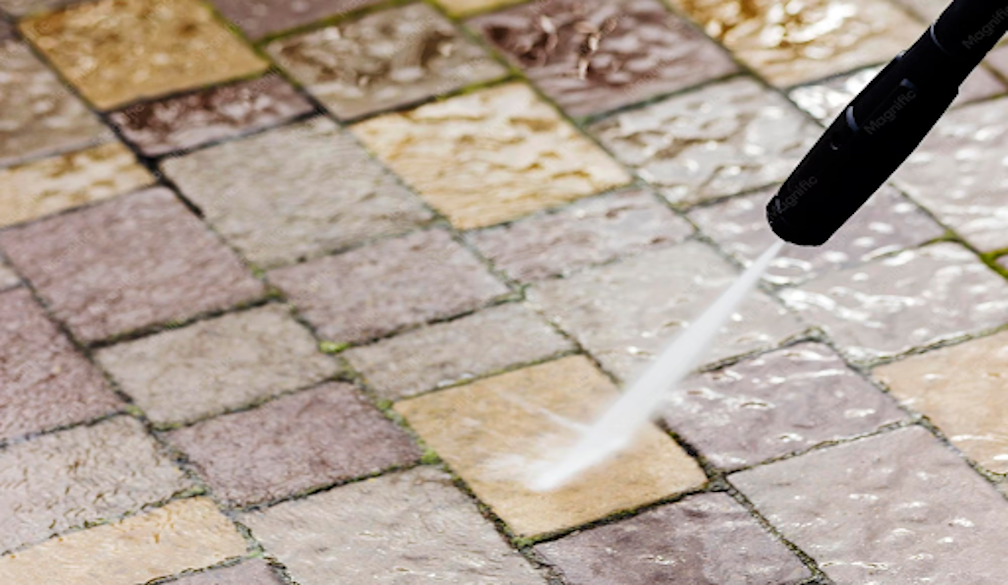
Driveways, pathways, and pool surrounds endure heavy foot traffic and vehicle wear daily. In coastal areas, these hard surfaces also accumulate a sticky layer of salt residue and airborne pollutants. Standard garden hoses simply lack the power to dislodge this deep-seated grime. This is where professional pressure cleaning in Curl Curl becomes an essential home maintenance task. High-pressure water blasting effectively strips away stubborn oil stains, tyre marks, and thick layers of dirt from concrete and brickwork.
Safety and Aesthetic Benefits
A dirty driveway is not just an eyesore; it is also a slip hazard, especially when wet. Algae and moss thrive in shaded areas, turning concrete pathways into ice-like surfaces during winter. Regular pressure cleaning removes these hazards, ensuring safe footing for your family and visitors.
Choosing the Right Equipment
Commercial-grade pressure washers feature adjustable pressure settings and surface cleaning attachments that distribute water evenly. This prevents the zebra-striping patterns often left behind by cheap domestic pressure cleaners. By hiring local experts for pressure cleaning in Curl Curl, you ensure that the correct pressure is applied to each specific surface, avoiding accidental damage to grout lines or mortar.
Protecting Concrete and Pavers with Driveway Sealing
Once your hard surfaces are clean, the next logical step is sealing. Sealing acts as a protective shield, preventing liquids from penetrating the concrete and causing permanent stains. It also locks in the joint sand between pavers, inhibiting weed growth and insect activity. However, many homeowners struggle to understand the curing process and wonder how long after sealing a driveway you can drive on it to avoid ruining the finish.
The Curing Timeline Explained
Typically, you can walk on a newly sealed driveway within 3 to 4 hours of application, provided the weather is dry and warm. However, vehicles require much more time. As a general rule, you should wait at least 24 to 48 hours before parking or driving on the sealed surface. Heavy vehicles, such as SUVs or delivery trucks, should ideally be kept off the driveway for a full 72 hours.
Factors Affecting Curing Times
Humidity, temperature, and wind speed play massive roles in how quickly a sealant dries. Acrylic-based sealers dry faster than polyurethane or epoxy options. If you are unsure about how long after sealing a driveway you can drive on it, always consult your professional technician. Applying a second coat too early or driving on a wet surface can ruin the bond, requiring a costly strip-and-reseal process.
Best Practices for Long-Term Outdoor Surface Care
Creating a cohesive maintenance schedule is the best way to protect your property investment. For instance, combining annual sandstone cleaning in Northern Beaches properties with regular pressure cleaning in Curl Curl keeps your entire outdoor space looking uniform and well-maintained. Neglecting one area while focusing on another can make your property look unevenly aged.
Establishing an Annual Routine
Spring is generally the best time of year to schedule major exterior cleaning. This removes the damp winter buildup of mould and prepares your outdoor entertaining areas for the summer months. When planning these tasks, factor in the necessary drying times for sealants to ensure minimal disruption to your daily routine.
Minimising Vehicle Traffic Disruptions
Knowing how long after sealing a driveway you can drive on it allows you to plan alternative parking arrangements. Coordinating this with neighbours or utilising street parking ensures your driveway cures perfectly without accidental tyre marks. Additionally, sweeping away leaves, dirt, and organic debris weekly prevents stains from forming on both stone and concrete surfaces. Taking these proactive steps reduces the frequency of heavy-duty cleaning sessions, saving you time and money in the long run.
Final Thoughts
Maintaining the exterior of your home requires a blend of regular cleaning, protective sealing, and patience during the curing process. From gentle sandstone cleaning in Northern Beaches suburbs to high-power pressure cleaning in Curl Curl, each surface demands a tailored approach. Protecting your investment with high-quality sealers ensures your concrete and stone can withstand the harsh Australian climate. Just remember to respect the curing guidelines and give your driveway ample time to dry. Respecting these curing timelines saves you from costly mistakes and ensures the sealant bonds perfectly. By dedicating time to these essential tasks, you will enjoy a beautiful, safe, and durable home exterior for many years to come.