Sydney's Natural Stone Market: What's Driving Demand for Premium Slabs in 2026
- Written by: Times Media
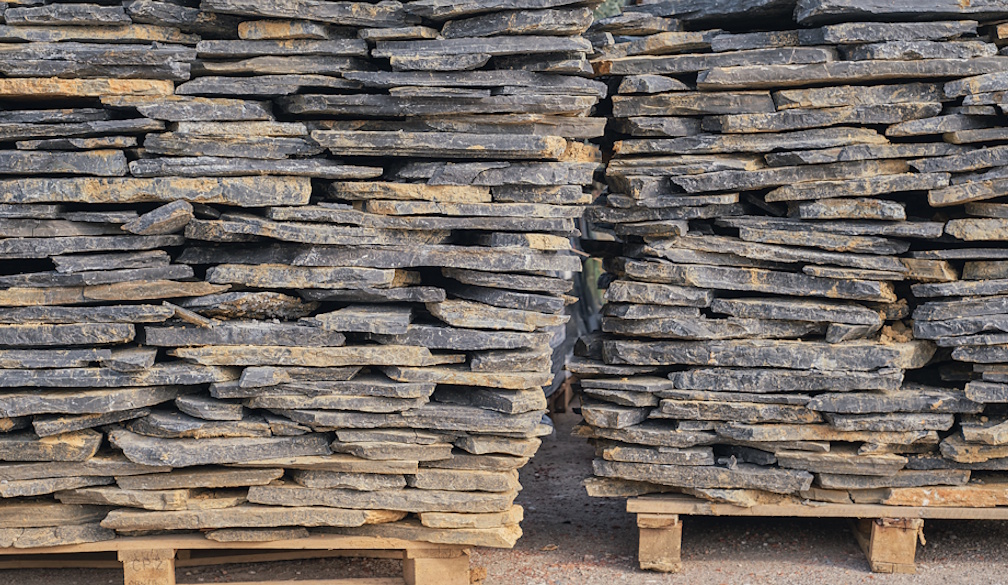
Sydney's appetite for premium natural stone has never been stronger. Across the city's residential construction and renovation sectors, homeowners, architects, and interior designers are turning to marble, quartzite, dolomite, and granite in record numbers, signalling a decisive shift in how Australians think about the surfaces that define their living spaces. From waterfront homes in Vaucluse to warehouse conversions in Alexandria, the material palette of Sydney's most considered interiors is being recalibrated around stone.
So what is behind this growing demand, and what does it mean for the broader luxury home finishes market?
A Market Shaped by Quality and Authenticity
After years of engineered surfaces dominating kitchen and bathroom renovations, the pendulum has swung back toward natural stone. The shift is not purely aesthetic. Homeowners in 2026 are better informed, more design-literate, and increasingly drawn to materials that carry a sense of permanence and individuality.
Unlike manufactured alternatives, no two natural stone slabs are identical. Each piece carries its own veining, colour variation, and character, qualities that engineered products simply cannot replicate at the same level. For a generation of homeowners who value authenticity and craftsmanship, that distinction matters. Statement pieces such as a Calacatta Viola island, a Taj Mahal quartzite vanity, or a bookmatched Arabescato feature wall have become focal points in their own right, setting the tone for the rooms they anchor.
This trend is especially visible in Sydney's Eastern Suburbs, North Shore, and Inner West, where renovation activity remains robust despite broader economic uncertainty. Builders and designers working on high-end residential projects report that clients are specifying natural stone earlier in the design process, treating it as a foundational material rather than an afterthought. The selection of a slab now frequently precedes joinery detailing and tapware, with other finishes chosen to complement the stone rather than the other way around.
The Economics Behind Luxury Home Finishes
Several macroeconomic factors are fuelling growth in the premium stone segment. Australia's residential renovation market continues to outpace new builds in dollar terms, with the Housing Industry Association forecasting sustained investment in home improvements through the back half of the decade. Rising property values in Sydney's established suburbs mean homeowners are more willing to invest in quality finishes that protect and enhance the value of their assets.
At the same time, supply chains for natural stone have stabilised following the disruptions of recent years. Specialist importers now have greater access to quarries across Italy, Brazil, India, and Turkey, enabling them to bring a wider and more distinctive range of materials into the Australian market. For buyers searching for stone slabs Sydney suppliers can offer, the selection available today is significantly broader than it was even two or three years ago. Rarer varieties, including exotic quartzites from Brazil's Espírito Santo region and deeply veined marbles sourced near Carrara, are now within reach for projects that once would have required compromise.
From Engineered to Natural: A Shift in Consumer Preference
The move away from engineered stone has been accelerated by a combination of health, regulatory, and design factors. Workplace safety concerns around the fabrication of certain engineered stone products have prompted regulatory action at both state and federal levels in Australia. These regulations primarily affect fabricators, but they have also raised consumer awareness and prompted many homeowners to reconsider their material choices.
Natural stone, by contrast, carries none of these concerns and offers a product that improves with age. Marble develops a gentle patina over time. Quartzite and granite deliver exceptional durability for high-traffic areas. Dolomite strikes a balance between the softness of marble and the resilience of harder stones. For homeowners weighing their options, natural marble slabs and other premium stone varieties offer both beauty and peace of mind. There is also a growing appreciation for the longevity of natural stone, a material that is quarried rather than manufactured and that can remain in place for the life of a home without losing its visual character.
How Specialist Suppliers Are Meeting Demand
The growth in demand has reshaped how stone is bought and sold in Sydney. Rather than the old model of browsing catalogues and hoping for the best, leading suppliers now operate dedicated stone galleries where clients can view, touch, and select individual slabs in person. This showroom experience has become a point of differentiation, particularly for suppliers who handpick their stock from quarries around the world.
Curated collections, expert guidance, and the ability to see the exact slab that will be installed in your home have become table stakes for serious stone suppliers. Procurement specialists travel internationally to source exclusive materials, ensuring that collections remain fresh and that clients have access to stone varieties not available through mainstream channels. Long-standing relationships with quarry operators, some spanning decades, give established suppliers first access to standout blocks as they emerge from the earth, which is often where the most extraordinary slabs are found.
This level of curation matters. When a homeowner is selecting a kitchen island or bathroom feature wall that will be in place for decades, being able to stand in front of the actual slab and assess its colour, movement, and finish is an experience that no digital catalogue can replace. It is also an experience that increasingly shapes the design itself, with layouts adjusted to showcase a particularly striking vein, bookmatch adjacent panels, or allow a single dramatic piece to carry an entire room.
Looking Ahead
Sydney's natural stone market shows no signs of slowing. With renovation activity holding firm, consumer preferences shifting toward authentic materials, and specialist suppliers continuing to elevate the buying experience, the premium slab segment is well positioned for continued growth through 2026 and beyond. Emerging directions, from full-height stone splashbacks to sculpted freestanding bathtubs carved from single blocks, point to a market that is still expanding in ambition as well as in volume.
For homeowners, designers, and builders across Sydney, the message is clear. The surfaces that define our living spaces deserve the same level of care and consideration as every other element of a well-designed home. Natural stone, sourced with expertise and selected with intention, delivers on that promise in a way that few other materials can.