Why Blistering Heat Triggers Rapid Termite Colony Growth
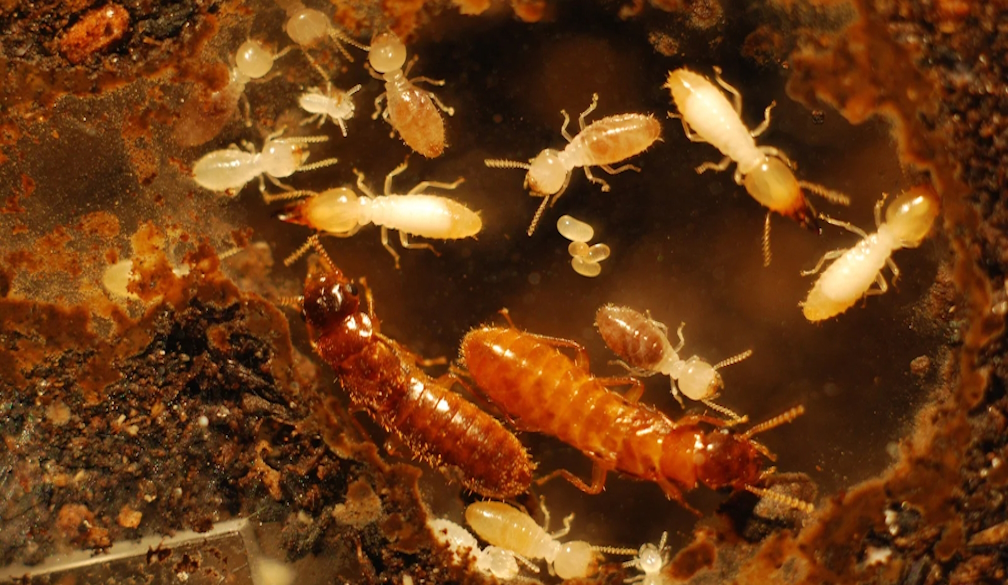
When temperatures climb across North Brisbane, most homeowners focus on storms, humidity, and rising energy costs. Very few consider what is happening beneath the surface.
Warmer conditions create the perfect environment for termite colonies to become more active, reproduce at a higher rate, and expand further into surrounding areas. Without early intervention, that movement can shift from soil into structural timber before any obvious signs appear.
Key Takeaways
- Warmer weather increases termite activity by speeding up their metabolism, leading to more frequent feeding and faster colony growth.
- Timber consumption rises in higher temperatures, meaning damage can occur more quickly.
- Heat and humidity together create ideal conditions for reproduction, foraging, and colony expansion.
- In hot seasons, colonies can grow significantly, increasing the likelihood of structural damage.
- Faster colony growth means termites can spread more aggressively through surrounding areas.
Why Hot Weather Drives Termite Activity
Termites rely on warmth to function efficiently. As soil temperatures rise, their internal processes speed up, allowing worker termites to feed more often and sustain higher levels of activity within the colony.
Warmer conditions also support increased egg production by the queen. In favourable environments, a colony can grow substantially over the course of a single summer. In areas like North Brisbane, where heat and humidity are common, this results in stronger colonies with greater demand for nearby timber.
How Termites Adjust and Move Toward Structures
Even when surface soil becomes dry under intense heat, subterranean termites adapt by tunnelling deeper where moisture levels remain stable. From these zones, they extend outward in search of food.
Homes and commercial buildings provide ideal feeding opportunities. Termites often follow hidden pathways such as plumbing lines, slab cracks, and expansion joints, allowing them to enter structures without detection. These routes protect them from light and airflow, both of which can be fatal to termites.
If barriers are poorly installed or have deteriorated over time, termites may bypass them completely. Once inside, they can remain concealed while feeding for extended periods, making early detection through Brisbane termite inspections essential.
Early Signs of Colony Expansion
One of the first visible indicators of termite activity is swarming. After periods of heat and humidity, winged termites leave established colonies to form new ones. These swarmers are often seen near windows, doors, or light sources.
The presence of discarded wings around entry points is a strong sign that termites have already settled nearby. At this stage, the colony is typically well developed and actively reproducing, meaning the issue may have been present for some time.
Arranging Brisbane termite inspections at this point allows for identification of hidden activity such as mud tubes, moisture issues, and internal timber damage before it worsens.
Structural Impact During Warmer Months
As colonies grow in hot weather, their demand for timber increases. Worker termites continuously feed on structural elements such as framing, skirting boards, and other timber components.
Damage usually begins internally, leaving surfaces looking intact while the structure weakens from within. By the time visible issues appear, such as bubbling paint or soft flooring, termites have often been active for months.
During summer, increased colony size leads to greater feeding pressure on key structural areas. Moisture-prone zones, including bathrooms, kitchens, and subfloors, are particularly vulnerable. Without treatment, this can result in sagging frames or compromised structural support.
The Role of Inspections in Protecting Your Property
With termite activity increasing in warmer conditions, minor issues can escalate quickly. Regular inspections help identify hidden infestations before they spread further into structural timber.
Professional Brisbane termite inspections use tools such as thermal imaging and moisture detection to locate termite movement and identify favourable conditions within the property. This allows for accurate assessment without unnecessary disruption.
Understanding where termites are active and how advanced the infestation is provides a clear direction for treatment and ongoing protection.
Choosing the Right Termite Treatment
If termites are detected, selecting the appropriate treatment is critical. Effective termite control in North Brisbane may involve soil treatments, baiting systems, or a combination of both, depending on the property and level of activity.
Soil treatments create a protective zone around the home using products that termites cannot detect. As they move through treated areas, they carry the treatment back to the colony, allowing it to spread internally.
Baiting systems may be more suitable where soil access is limited. These systems use cellulose-based bait combined with a growth regulator. Worker termites carry the bait back to the colony, gradually reducing the population over time.
The most effective solution depends on construction type, site conditions, and the extent of the infestation identified during inspection. A professional assessment through Geebung termite control can determine the most appropriate approach.
Reducing the Risk of Termite Damage
While heat alone does not cause termite infestations, it accelerates colony growth and increases the speed at which damage can occur. Acting early is the most effective way to minimise risk.
Rather than waiting for visible signs, schedule regular Chermside termite inspections to detect activity early. Proactive management and professional termite control in North Brisbane will help protect your property and reduce the likelihood of costly structural repairs.
FAQs
Why do termites become more active in hot weather?
Higher temperatures increase termite metabolism, leading to more frequent feeding and faster colony growth. Warm, humid conditions also support increased reproduction, allowing colonies to expand quickly.
How do termites enter homes during hot conditions?
Termites move deeper into the soil to maintain moisture, then travel through cracks, plumbing lines, and structural gaps to access timber. These pathways keep them hidden from light and air exposure.
What is an early sign of termite activity?
Swarming termites and discarded wings near entry points are common early indicators. These signs suggest a nearby colony that may already be established.
What damage can termites cause in summer?
Increased colony size leads to greater feeding pressure on timber structures. Damage often occurs internally, weakening floors, walls, and support elements over time.
How do inspections help prevent damage?
Regular inspections identify hidden termite activity and conditions that attract them. Early detection allows for prompt treatment, reducing the risk of extensive structural damage.