Why Australian Men With Diabetes Should Pay Closer Attention to Everyday Footwear Comfort
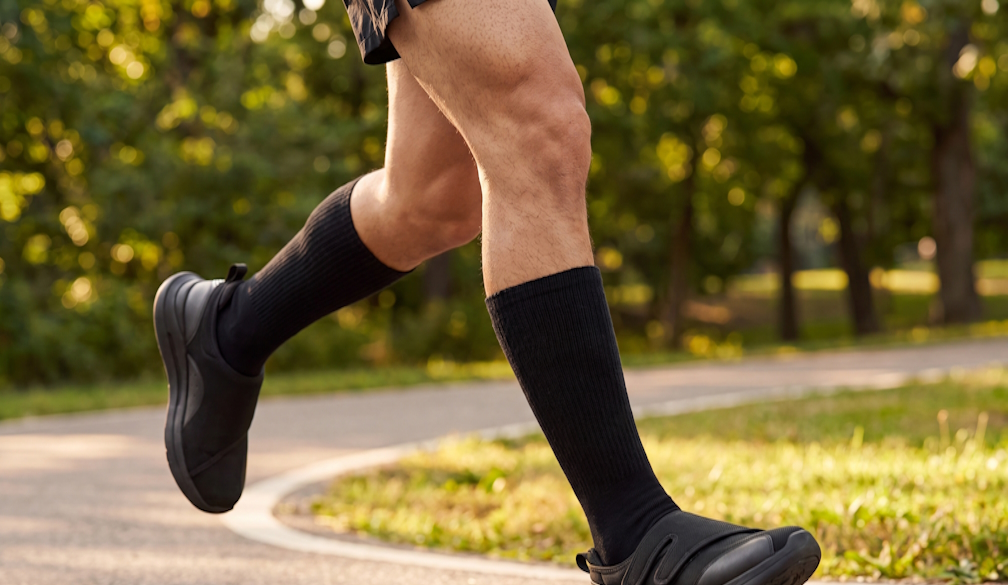
Footwear is easy to dismiss until it begins interfering with ordinary life.
A man may notice that his shoes feel tighter during the afternoon, that one heel keeps rubbing or that walking across a shopping centre leaves his feet unusually tired. The discomfort may seem too minor to justify much attention. He loosens the laces, changes his socks or simply waits until he gets home.
For men living with diabetes, that casual approach can carry additional risk. Diabetes may affect sensation, circulation and the way injuries heal. A blister, pressure mark or damaged patch of skin may not always produce the pain expected from it.
Good footwear is not a treatment for diabetes, nor can it replace regular health checks. It can, however, reduce some of the friction, crowding and repeated pressure that feet experience during work, travel and daily movement.
In Australia, where heat, long commutes and active outdoor routines can place extra demands on the feet, comfort deserves more attention than it usually receives.
Why Diabetes Changes the Footwear Conversation
Most people use discomfort as a warning.
When a shoe rubs, pinches or contains a small object, pain encourages the wearer to stop and check. Diabetes-related nerve damage can weaken that warning in some people. Tingling, numbness or changes in sensitivity may make it harder to recognise a problem early.
Pressure continues even when it is not fully felt.
A seam may rub the same area for several hours. A tight toe box can leave a deep mark. A stone inside the shoe may press into the skin during an entire walk.
Reduced circulation can also complicate healing. What begins as a minor skin injury may require more attention than expected, particularly when it is discovered late.
This is why men with diabetes should judge shoes by more than pain alone. The condition of the skin, the shape of the fit and the interior of the footwear all matter.
Australian Heat Can Change the Fit
Australia’s warmer conditions create another practical concern.
Feet may feel larger after walking, standing or spending time in hot weather. A shoe that fits neatly early in the morning can become restrictive later in the day.
Heat also increases perspiration. Damp socks and warm footwear create more friction against the skin, especially around the toes and heels.
Breathable materials may help manage heat, although ventilation should not come at the expense of protection. Very open footwear can leave the foot exposed to sharp objects, hot surfaces or accidental knocks.
The useful balance is a covered shoe that allows some airflow, fits without squeezing and can be adjusted if the feet swell slightly.
Men who spend long periods outdoors, work in warm environments or travel between air-conditioned buildings and hot streets should pay particular attention to how the shoe feels at different points in the day.
The Right Size May Still Be the Wrong Shape
Many men continue buying the same shoe size for years.
The number may be correct, yet the shape can still be unsuitable. Footwear varies in width, toe depth, heel construction and internal volume. Two pairs carrying the same size label may feel completely different.
A narrow front can push the toes together even when there is enough length. A shallow upper may press across the top of the foot. A loose heel can cause repeated rubbing.
Buying a longer shoe to gain more room is not always helpful. Extra length may allow the foot to slide while the forefoot remains compressed.
Correct width and depth are more useful than unnecessary space at the front.
Men comparing diabetic shoes should still judge each pair by the actual fit. A specialist label is a starting point, not proof that every model will suit every foot.
Toe Room Matters Throughout the Day
The toes should not be forced together or pushed against the front of the shoe.
This sounds obvious, but many men accept pressure around the forefoot because they assume all enclosed shoes feel that way. The problem often becomes worse after several hours.
A roomier toe box allows the toes to rest more naturally. It may also reduce contact with sensitive joints, nails or areas affected by swelling.
Room does not mean the whole shoe should feel loose. The heel and middle of the foot still need to remain secure. Uncontrolled movement can create friction and make walking feel unstable.
The goal is a calm fit: space where the foot needs it, control where the shoe needs to hold.
A Smooth Interior Can Reduce Irritation
The inside of a shoe is rarely examined until something goes wrong.
Rough stitching, folded lining and damaged insoles can create concentrated pressure. Even a small ridge becomes significant when it touches the same patch of skin over thousands of steps.
Before putting shoes on, men with reduced sensation should feel inside them with a hand. Check for stones, grit, worn material or anything that has shifted.
The insole should sit flat. Socks should not be folded underneath the foot, and the tongue should not bunch around the toes.
These checks take less than a minute. They are especially useful for shoes worn outdoors, left near doorways or used in gardens, workshops and garages where small objects can enter unnoticed.
Cushioning Is Useful, but Stability Still Matters
Softness is often marketed as the main sign of comfort.
A thick sole may feel pleasant during the first few steps, but cushioning alone does not create a dependable walking shoe. If the base feels overly soft or unstable, the foot may move more than expected.
At the other extreme, a thin or rigid sole can make concrete, tiled flooring and hard pavements feel tiring.
A balanced design should soften repeated contact with the ground while remaining steady during turns, stairs and uneven surfaces.
The heel should feel controlled. The sole should bend near the front of the foot rather than folding loosely through the middle.
For men whose balance or sensation has changed, a secure base may be as important as additional padding.
Socks Are Part of Footwear Comfort
The shoe receives most of the attention, but socks sit directly against the skin.
A thick seam can rub the toes. Loose fabric may gather beneath the foot. Tight cuffs can leave marks around the ankle, while damp material increases friction.
Socks should fit smoothly and remain reasonably dry. Men who perspire heavily may benefit from carrying a spare pair, particularly during long workdays, travel or warm-weather outings.
The thickness should also match the shoe. A pair fitted with thin socks may become too tight when heavier ones are worn later.
Clean, well-fitting socks are a simple part of daily foot care. They should not be treated as an afterthought.
New Shoes Should Be Introduced Gradually
A new pair can feel comfortable in the shop and begin rubbing after an hour.
Men should avoid testing unfamiliar footwear during a long work shift, full travel day or extended walk. Begin at home or on a short outing, then check the feet afterwards.
Look for redness, pressure marks, blisters or any area that feels warmer than the surrounding skin. Wear time can be increased gradually when no problems appear.
Breaking in should not mean tolerating pain or skin damage. Materials may soften slightly, but a shoe that is clearly too narrow or unstable is unlikely to transform with use.
For men with reduced sensation, visual checking is more dependable than waiting for discomfort.
Everyday Australian Life Can Be Hard on Feet
Daily movement in Australia often involves mixed surfaces and long distances.
A commuter may walk across concrete platforms, stand on public transport and continue through tiled office buildings. Tradesmen and site workers may move across rough or hot ground. Retired men may spend time gardening, walking through shopping centres or travelling by car for long periods.
The same pair of shoes is often expected to handle all of it.
This makes versatility important. Footwear should suit the primary activity while remaining comfortable across the rest of the day.
Workplace safety requirements must always come first where protective shoes are necessary. A comfort-focused everyday shoe cannot replace approved safety footwear.
Outside those settings, the choice should reflect the real routine rather than appearance alone.
Daily Foot Checks Are Worth the Minute
Shoes are only one part of protecting foot comfort.
Men with diabetes should regularly inspect the tops, sides, heels and soles of their feet. A mirror can help with areas that are difficult to see.
Look for cuts, cracks, blisters, redness, swelling or changes around the nails. Persistent warmth, unusual colour or broken skin also deserves attention.
The aim is not to become anxious about every mark. It is to notice changes before they have time to worsen.
Any wound that is not healing, along with new numbness, swelling or difficulty walking, should be discussed promptly with a qualified healthcare professional.
Home treatments involving sharp tools, harsh corn removers or aggressive filing can damage the skin and should be approached cautiously.
When Specialist Footwear May Help
Not every man with diabetes requires the same type of shoe.
Some may be comfortable in well-fitted everyday footwear with enough width and a smooth interior. Others may need greater depth, adjustable closures or specific recommendations from a podiatrist or doctor.
Men with previous ulcers, significant nerve damage, circulation concerns or changes in foot shape should seek individual advice rather than relying only on a general product description.
Well-fitted diabetic shoes may help reduce crowding and internal friction, but they remain one part of broader diabetes and foot-health management.
The most useful shoe is the one that suits the person’s foot, daily routine and clinical needs.
FAQs About Diabetes Footwear
Should every Australian man with diabetes wear specialist shoes?
No. Footwear needs vary. Some men may manage well with properly fitted everyday shoes, while others may need specialist designs or professional fitting advice.
Should diabetic footwear feel loose?
No. Excessively loose shoes can cause sliding and friction. The fit should provide enough width and depth while keeping the heel secure.
Is a soft sole always better?
Not necessarily. Cushioning should reduce impact without making the shoe unstable. Comfort depends on both softness and support.
When is the best time to try on shoes?
Later in the day can be useful because feet may be slightly larger after walking, standing or exposure to heat.
What foot changes require medical attention?
Persistent redness, swelling, numbness, unusual warmth, colour changes, broken skin or a wound that does not heal should be assessed by a qualified healthcare professional.
Everyday Comfort Should Not Be Ignored
Footwear is worn through the most ordinary parts of life: commuting, working, shopping, travelling and spending time outdoors.
When shoes fit poorly, the pressure is repeated every day. For Australian men with diabetes, that repetition deserves careful attention, even when the feet do not hurt.
A suitable pair should provide room around the toes, a secure heel, a smooth interior and enough cushioning for the surfaces being used. It should also be checked regularly as materials wear and the feet change.
Comfort is not the only goal. Protection, stability and early awareness matter too.
Choosing shoes more carefully is a small daily decision, but it supports something much larger: the ability to keep walking with confidence.