How Modern Mobility Accessories Are Redefining Active Living and Wellness
The global wellness landscape is undergoing a profound transformation. As the wellness tourism market is projected to surpass a staggering $1 trillion in 2026, people are prioritizing longevity, preventive health, and active travel over exhaustive fitness routines. The travel sector has seen a massive shift from reactive medical tourism to proactive wellness tourism, focusing heavily on stress reduction and accessible daily fitness. Older adults are increasingly seeking nature-based exploration and purpose-driven experiences, proving that staying active does not require pushing the body to its absolute limits.
Embracing Sustainable and Accessible Movement
The modern approach to health emphasizes consistency, gentle movement, and joint preservation. Rather than focusing solely on high-impact workouts, everyday wellness now centers on activities that support the body for decades to come. Similar to the enduring appeal of low-impact exercises discussed in recent explorations of yoga and tai chi, finding simple ways to keep the body moving is foundational to true holistic health. Movement should feel intuitive and restorative instead of punishing or excessively draining.
Accessible movement allows individuals of all ages to maintain their physical capacity and mental sharpness. When health routines are sustainable, people can enjoy long walks through their neighborhoods or explore global destinations without facing unnecessary physical strain or prolonged recovery times. This shift in mindset empowers individuals to view physical activity as a lifelong journey of self-care. Rather than fearing the loss of ability, proactive adults are investing in the right accessories to ensure they remain socially engaged and physically capable in any environment.
Overcoming Stigma Through Premium Design
Despite the clear benefits of staying active, psychological barriers have historically prevented many adults from using helpful mobility tools. A 2024 study by University College London highlighted a significant gap in usage, revealing that women were 50 percent more likely than men to need a mobility aid but 20 percent less likely to actually use one. Sociological research indicates that the fear of appearing physically vulnerable or in decline created an unnecessary hurdle to outdoor independence and social participation.
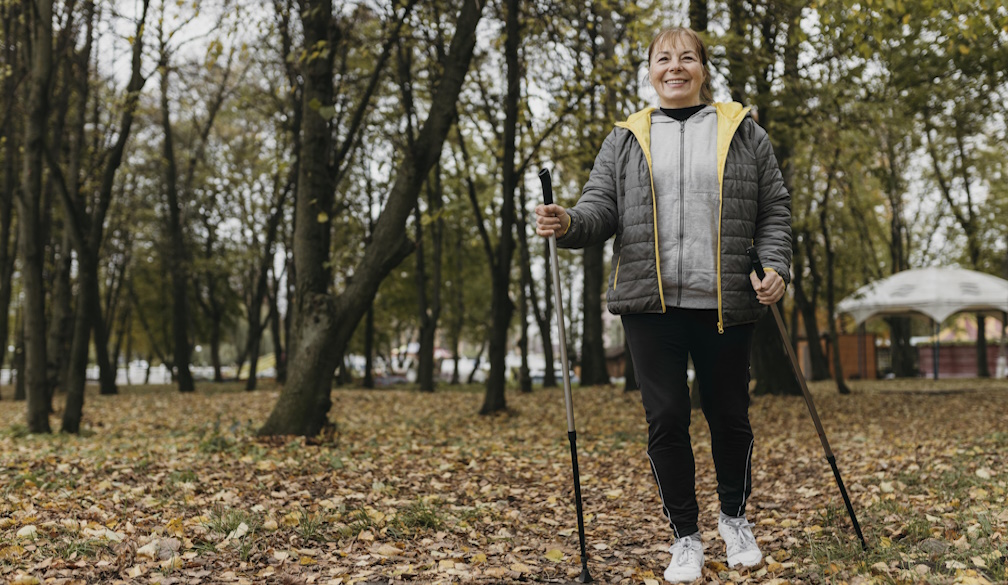
Fortunately, the mobility market has experienced a radical shift toward de-medicalization. Manufacturers are now designing products that feel like premium lifestyle accessories rather than institutional medical tools. A perfect example of this evolution is the rising popularity of adjustable walking sticks designed with exposed carbon fiber textures, sleek finishes, and gradient paints. By prioritizing aesthetics alongside function, these modern accessories empower users to navigate nature trails, travel extensively, and run daily errands with complete confidence and impeccable style.
The Physical Benefits of Supported Walking
Beyond looking great, modern mobility aids provide essential support that preserves the body during extended activity. The introduction of carbon fiber has fundamentally revolutionized the market. This aerospace-grade material offers an incredible strength-to-weight ratio that makes devices completely effortless to carry while remaining incredibly sturdy under pressure. Unlike traditional wood or heavy aluminum models of the past, carbon fiber absorbs shock naturally, creating a smoother walking experience. Market analysis shows a recent 30 percent surge in demand for these highly durable, travel-friendly tools as consumers actively seek out non-institutional solutions for their daily routines.
Using proper equipment while walking actively protects your joints from premature wear and tear. According to insights from Harvard Medical School on the benefits of walking with poles, engaging the upper body distributes the force of each stride to reduce stress on your lower extremities, effectively protecting your hips, knees, and feet while improving overall stride length. This upper body engagement also increases cardiovascular output, turning a standard walk into a more comprehensive workout.
Incorporating a modern walking accessory into your daily routine offers several distinct advantages for an active lifestyle:
- Improved Posture: Relying on an ergonomic aid encourages a more upright stance, preventing the hunched posture that often accompanies muscle fatigue during extended walks.
- Joint Offloading: Distributing body weight through the arms reduces the direct impact on lower body joints, minimizing pain during long walks or challenging nature hikes.
- Enhanced Stability: Having an extra point of contact with the ground significantly boosts balance, especially on uneven terrain like hiking trails, sandy beaches, or historic cobblestone streets.
- Travel Readiness: Foldable and lightweight designs mean modern travelers can easily pack their support systems for wellness retreats or overseas adventures without adding unnecessary bulk to their luggage.
Looking Forward to a More Active Future
The global walking aid market is expected to grow from $18.28 billion in 2024 to over $29 billion by 2031, fueled by an active silver economy demanding better mobility solutions. Today, over 40 percent of premium mobility device purchases are driven by lifestyle factors rather than strict medical necessity. As society continues to break down the stigma associated with mobility support, more individuals are realizing that these tools are not symbols of decline. Instead, they are empowering instruments that facilitate a vibrant, active, and deeply fulfilling life, allowing users to experience the world on their own terms.