Chain Tensioners: A practical guide to reliable tensioning systems
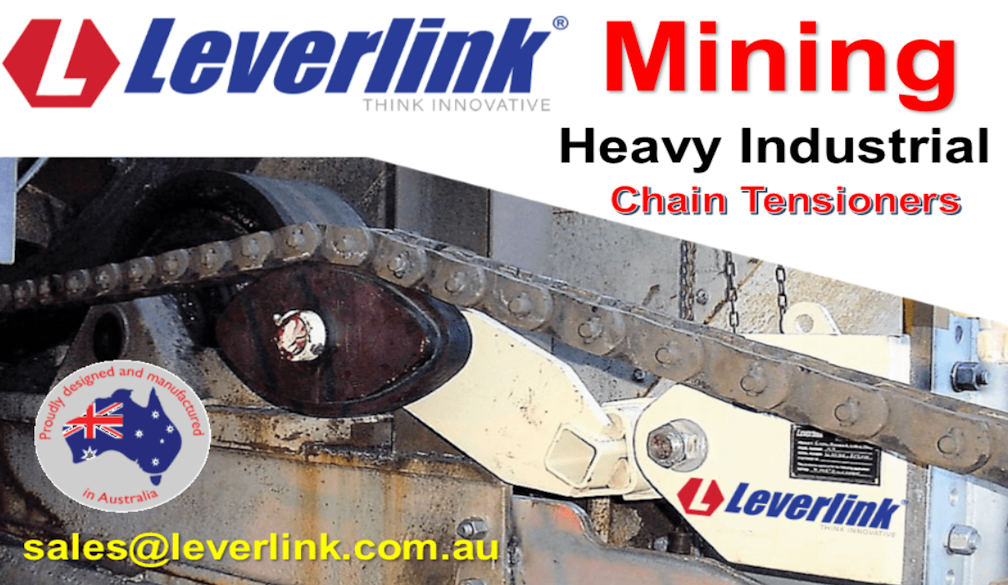
Why mining sites rely on chain tensioners
Mining equipment works hard. It starts under load, stops frequently, runs in dust and grit, and handles shock loads that can damage lighter-duty setups. In that environment, chain drives can deteriorate quickly if slack and engagement are not controlled.
That’s where chain tensioners come in.
A chain drive needs enough tension to keep the chain engaged with the sprockets, but not so much that it overloads bearings, shafts, or the chain itself. Over time, wear in pins and bushes increases chain length (often called “chain stretch”, though it’s usually wear). As slack increases, you may see noise, vibration, tooth skipping, and accelerated sprocket wear.
Mining operators use tensioning systems to maintain chain drive stability as operating conditions change. That stability supports:
- Smoother starts and stops
- Fewer shock events through the drive
- Better sprocket engagement
- More predictable maintenance intervals
- Reduced chance of sudden failure
Where chain drives show up in mining
Belts are common on long runs, but chains still have a strong place on many assets because they suit tough duty cycles and compact layouts.
You’ll often find chain drives on:
- Apron feeders and feeder breakers
- Transfer and shuttle equipment
- Stacker/reclaimer auxiliaries
- Srushers and screens (support drives and auxiliary drives)
- Mobile plant and track systems
- Processing equipment with timed or indexed movement
Many of these drives are housed in guards that limit access. That’s one reason a well-chosen tensioner matters: it can reduce how often teams need to intervene just to keep the drive running smoothly.
What chain tensioners do (in plain terms)
Chain tensioners apply controlled force to the chain to manage slack. In mining, the aim is usually not “perfect tension”. The aim is stable operation under load, with enough take-up capacity to manage wear over time.
In practical terms, tensioners help:
- Keep the slack side from whipping
- Maintain steadier engagement on the drive sprocket
- Reduce the chance of chain jumping teeth
- Improve chain control where guides are used
- Protect sprockets and chain from uneven loading.
A good tensioner setup won’t fix a worn-out chain or poor alignment, but it can reduce nuisance issues when the rest of the drive is properly set up.
Common tensioning systems used in mining
There are several ways to manage chain slack. The right approach depends on the layout, load swings, and the amount of movement you need as the chain wears.
1) Manual take-up systems
Manual take-up is a straightforward approach and may involve:
- Adjustable idlers
- Movable motor or gearbox mounts
- Slide rails
- Screw take-up assemblies
Where it often suits mining:
- Steady loads
- Shorter centre distances
- Good access and consistent inspections
Common downside: If access is poor or the crew is stretched, adjustments may be made late. That’s when noise, rough running, and sprocket wear can appear quickly.
2) Spring-loaded chain tensioners
Spring-loaded designs apply force and allow movement as the chain wears. They can reduce the frequency of manual adjustments and help keep the slack side under better control.
Watch-outs: Spring systems still require proper setup. Excessive force can increase loads on bearings and shafts. Too little force may not control slack during starts, stops, and load spikes.
3) Hydraulic or pneumatic tensioning systems
These systems can deliver higher forces and longer travel, and may suit larger chains or heavy-duty drives where slack control is difficult.
Watch-outs: They add complexity. Seals, lines, and monitoring become part of the maintenance plan.
4) Idler rollers, shoes, and chain guides
Some setups use a roller or shoe against the chain, sometimes combined with a spring or hydraulic mechanism. These can help control chain movement, especially where guarding is tight or the chain is prone to slapping.
Watch-outs: Rollers and shoes are wear parts. If they seize, wear unevenly, or pick up contamination, they can quickly damage the chain.
The cost of “slightly wrong” tension
Mining sites don’t always get a clean warning before a chain failure. Small issues can build up fast.
Too tight can lead to:
- A higher bearing load and heat
- Faster pin and bush wear
- Increased stress through shafts and mounts
Too loose can lead to:
- Chain whip and slap (often the first sign)
- Tooth skipping under load
- Impact loading on sprocket teeth
- Cracked guards and loosened fixings from vibration
In many cases, production is lost because the chain starts running rough, damages sprockets, and then fails at an inconvenient time.
What “good” looks like on site
Every chain and drive has its own design intent, so tension and setup should be based on the drive layout and operating conditions. On-site, the goal is to perform repeatable checks safely and consistently.
Strong habits include:
- Using a consistent method to assess slack and condition
- Checking tension after early run time on a new chain
- Re-checking after major changes in duty (different material, different loads, different start/stop patterns)
- Recording adjustments so that abnormal wear is spotted early.
It’s also worth remembering that tension is only one part of the picture. If alignment is off, sprockets are worn, or lubrication is poor, tensioning alone won’t deliver a good life.
Design factors engineers consider in mining applications.
For mining use, the details matter. Typical design considerations include:
- Chain pitch and strand count (simplex/duplex/triplex)
- Take-up travel is needed over the service life.
- Operating speed and start/stop frequency
- Shock loading and backstop behaviour
- Mounting constraints inside guards
- Contamination (dust, fines, moisture, washdown)
- Wear surfaces for rollers or shoes
- Service access (how a fitter checks and adjusts safely)
- Failure behaviour (what happens if a tensioner jams or bottoms out)
Reliability teams also care about what happens over time: whether the tensioner continues to move freely in grit, whether inspections can be performed without stripping major guarding, and whether wear parts can be replaced without specialised tools.
Inspection tips that reduce downtime
These checks catch most problems early:
- Listen: a new rattle or banging can point to slack or worn guides.
- Look for: tracking marks, polished wear spots, uneven roller wear.
- Check sprockets: hooked teeth or uneven wear patterns.
- Check movement: rollers should rotate freely; shoes shouldn’t be gouged
- Check mounts and fasteners: vibration can loosen assemblies over time.
- Confirm lubrication delivery: dry-running often results in rapid wear.