Essential Upgrades for a Smarter, Safer Australian Home
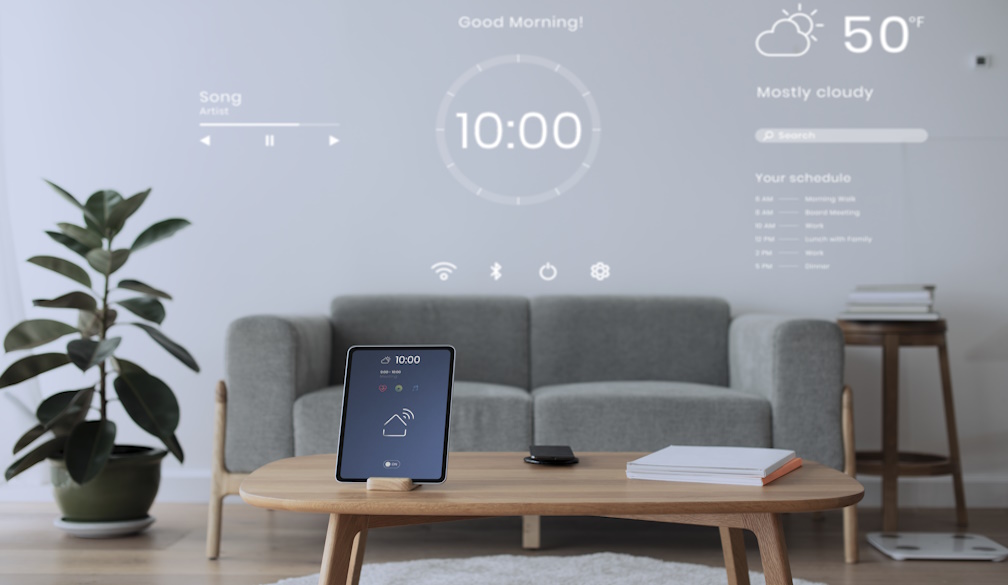
As we settle into 2026, the concept of the "dream home" has fundamentally shifted. The focus has moved away from purely cosmetic updates to functional, high-performance upgrades that improve quality of life and asset value. Australian homeowners are now prioritising intelligence over ornamentation, seeking renovations that work as hard as they do.
The property market is shifting rapidly across the country. While new entrants are busy mapping out their 2026 strategies for first home buyers to get a foothold on the ladder, existing homeowners are looking inward to maximise the value of what they already possess. Whether you are preparing to sell or simply future-proofing your "forever home," a strategic renovation roadmap is essential to ensure your property remains competitive and comfortable.
Here are five essential upgrades that are defining the modern Australian home in 2026.
1. Integrated Security Ecosystems
Gone are the days when home security was an afterthought or a simple keypad by the front door. In 2026, security is the central nervous system of the smart home. Modern homeowners are moving away from standalone devices and towards fully integrated ecosystems that offer real-time awareness and proactive protection.
One of the most critical upgrades involves professional alarm system installations that communicate directly with your smartphone and other home automation devices. These modern systems do more than just make noise; they can automatically turn on lights when motion is detected, lock doors remotely, and provide live video feeds to your device regardless of where you are in the world.
This shift towards robust security is driven by necessity as much as technology. According to recent home burglary statistics, break-in rates have seen an uptick following pandemic lows, making comprehensive security a non-negotiable aspect of modern living. An integrated system acts as both a deterrent and a management tool, giving homeowners peace of mind whether they are at work or on holiday.
2. Energy Independence and Battery Storage
With energy prices remaining a hot topic across Australia, the drive for energy independence has never been stronger. The standard roof-top solar setup is being augmented with sophisticated battery storage solutions. This allows households to store the excess energy generated during the sunny Australian day and utilise it during peak evening hours, significantly reducing reliance on the grid.
Key components of this upgrade often include:
- Hybrid Inverters: Capable of managing inputs from both solar panels and battery storage simultaneously.
- Smart Energy Monitors: Apps that track usage in real-time, identifying which appliances are draining the most power.
- EV Charging Stations: With electric vehicle adoption soaring, a dedicated home charging point is becoming a standard feature in Australian garages.
By treating energy as a managed resource rather than a utility bill, homeowners are insulating themselves from price fluctuations while increasing their property's green credentials.
3. Adaptive Climate Control and Air Quality
Health and wellness have become central themes in interior design. We are seeing a move towards "healthy homes" where the environment actively supports the well-being of its occupants. This goes beyond simple air conditioning to include comprehensive environmental management.
Adaptive climate control systems now use sensors to monitor CO2 levels, humidity, and airborne particulates. If the air quality drops, the system can automatically engage filtration units or ventilation systems to cycle fresh air through the property. Furthermore, smart zoning allows for precise temperature control in individual rooms, ensuring that energy isn't wasted heating or cooling unoccupied spaces. This creates a sleep environment that is not only comfortable but genuinely restorative.
4. The Evolution of the "Flex-Room"
The rigid floor plan is disappearing. The dedicated dining room or the strictly utilitarian guest bedroom is being replaced by the "flex-room." As hybrid work models solidify their place in Australian culture, our homes need to adapt to multiple functions throughout the day.
A successful flex-room renovation might involve:
- Soundproofing: Essential for video calls and deep focus work.
- Convertible Furniture: Wall beds (Murphy beds) or fold-down desks that allow a room to switch from office to guest suite in minutes.
- Hardwired Data Points: Relying solely on Wi-Fi is becoming less common for home offices; structured cabling ensures a stable connection for bandwidth-heavy tasks.
This versatility is highly attractive to future buyers who view the home as a multi-purpose hub for work, rest, and play.
5. Smart Water Management
Water conservation is an evergreen concern in Australia, but the technology to manage it has leapt forward. Smart irrigation systems are a top trend for 2026, utilising local weather data to optimise watering schedules. These systems ensure gardens remain lush without wasting a drop, skipping scheduled watering if rain is forecast.
Inside the home, smart leak detectors are becoming a standard inclusion in renovations. Placed near washing machines, dishwashers, and hot water systems, these small devices can detect moisture and automatically shut off the water supply to prevent catastrophic flooding damage. Given the rising cost of utilities and potential repair bills, it is a small upgrade that offers massive protection for your property investment.
Building for the Future
Renovating in 2026 is less about following fleeting aesthetic trends and more about building a responsive, efficient, and secure environment. By focusing on infrastructure, specifically intelligent security, energy management, and adaptive spaces, you create a home that not only looks good but performs exceptionally well. These upgrades ensure your property remains comfortable, safe, and valuable for years to come.