5 Ways to Protect an Aircraft
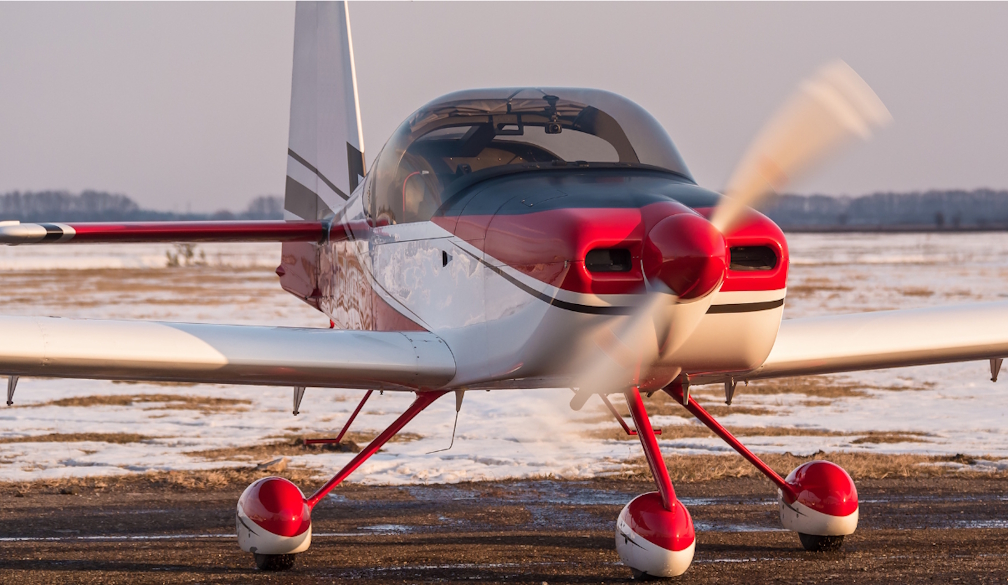
Keeping aircraft safe from environmental damage and operational hazards isn't just good practice. It's also essential for maintaining safety, performance, and longevity. From small private planes to massive commercial jets, proper protection methods can make the difference between a well-maintained aircraft and one that faces frequent maintenance issues.
Here are five ways to protect an aircraft.
1. Installing Protective Covers and Shields
Protective covers serve as an aircraft's first line of defense against nature's elements. The use of aircraft pitot covers plays a vital role in preventing potentially dangerous blockages from moisture, dust, and insects that could compromise flight safety. Regular inspection of these covers reveals signs of wear and tear, allowing for timely replacement before they lose their protective qualities. The consistent use of appropriate covers can significantly benefit aircraft condition and reduction of maintenance needs.
2. Maintaining Proper Storage Conditions
Storage conditions have a dramatic impact on aircraft condition and longevity. While indoor hangars provide optimal protection from the elements, they aren't always available for every aircraft owner. Outdoor storage requires careful consideration of positioning to minimize wind exposure and environmental impact. Aircraft tie-down procedures involve specific techniques using appropriate anchors and aviation-rated ropes to ensure maximum security. The storage environment plays a crucial role in preventing corrosion through proper temperature and humidity control. Adequate ventilation and regular moisture monitoring contribute significantly to maintaining ideal storage conditions throughout changing seasons. A methodical approach to storage helps preserve aircraft value and extends operational life.
3. Implementing Regular Cleaning Protocols
Aircraft maintenance entails consistent cleaning practices to maintain peak performance. A thorough cleaning routine removes harmful substances such as salt, industrial pollutants, and organic matter that could potentially damage protective coatings. The landing gear, control surfaces, and engine areas require particular attention due to their tendency to accumulate debris and contaminants. Aviation-approved cleaning products provide the necessary care without risking damage to sensitive components. Standard household cleaners can actually cause harm to aircraft surfaces and materials. Post-cleaning inspections reveal potential issues that might otherwise go unnoticed, allowing for proactive maintenance. The cleaning process itself serves as an opportunity to closely examine the aircraft's condition and identify areas needing additional attention.
4. Applying Protective Coatings and Treatments
Protective coatings function as an essential barrier against environmental damage. Anti-corrosion treatments become particularly valuable in coastal environments where salt exposure presents an ongoing challenge to aircraft integrity. The combination of high-quality paint and surface sealants creates a robust shield against UV radiation and moisture while maintaining the aircraft's aesthetic appeal. Areas experiencing high traffic or exposure to harsh conditions benefit from additional protective layers and more frequent treatment applications. Regular assessment of these protective coatings ensures their continued effectiveness in safeguarding the aircraft's surfaces. The strategic application of protective treatments helps prevent costly repairs and maintains the aircraft's value over time.
5. Establishing Comprehensive Inspection Programs
A well-structured inspection program is important to effective aircraft protection. Regular visual examinations can identify potential issues before they develop into serious problems. The inspection process should include detailed checks of all critical components, from control surfaces to engine compartments. Documentation of these inspections creates a valuable record of the aircraft's condition over time, helping to track maintenance needs and identify recurring issues. The inspection program should adapt to the aircraft's specific use patterns, operating environment, and age. Areas known to experience higher stress or wear receive additional scrutiny during these examinations. The combination of routine inspections and detailed documentation provides a clear picture of the aircraft's overall health and maintenance requirements. These protection strategies work together to create a comprehensive approach to aircraft preservation. The implementation of these methods helps prevent unnecessary wear and tear while extending the service life of valuable aviation assets. Aircraft owners and operators who incorporate these practices into their maintenance routines may see improved reliability and reduced long-term maintenance costs.
Conclusion
Aircraft protection thrives on a systematic approach that integrates physical safeguards, appropriate storage practices, regular maintenance, protective coatings, and thorough inspections. These five protection strategies create a synergistic effect when implemented properly, leading to extended service life and preserved value. The flexibility to adjust protection protocols ensures adaptation to varying conditions and changing requirements throughout the aircraft's operational life. This comprehensive approach to aircraft protection contributes to enhanced safety and reliability while maintaining optimal operational costs and minimal downtime.