
Broome and Byron Bay: protecting the environment that makes a place worth visiting
- Written by: The Times
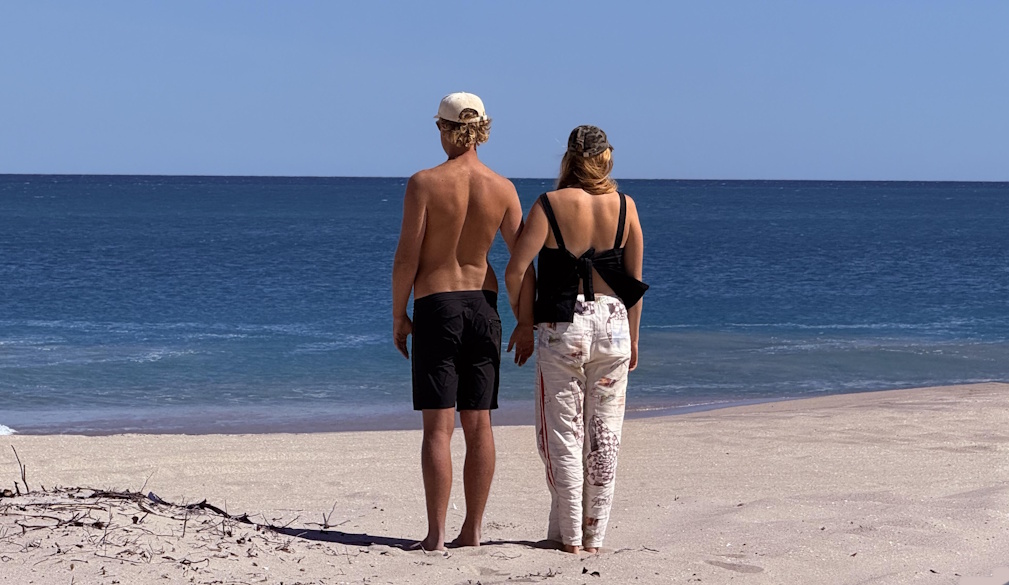
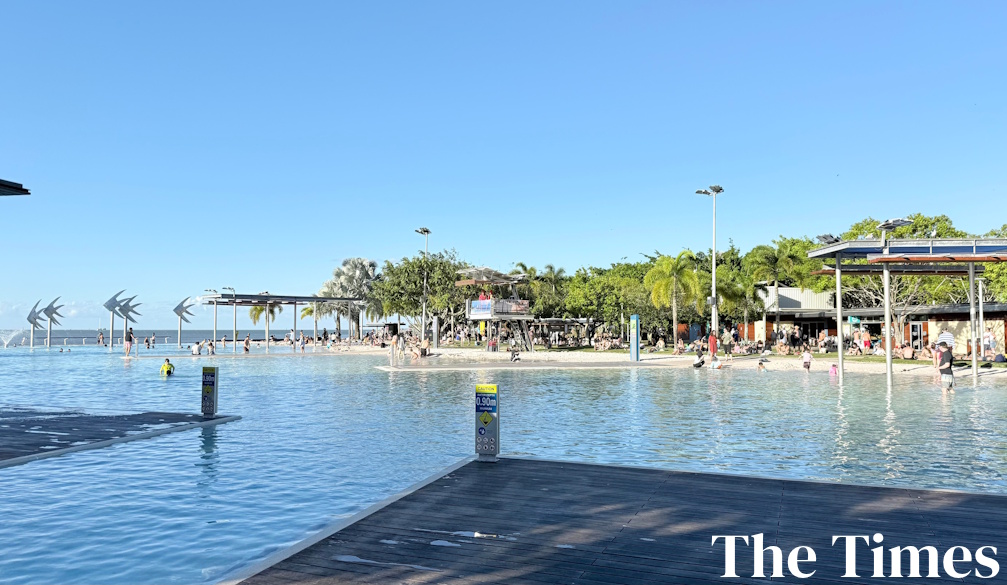
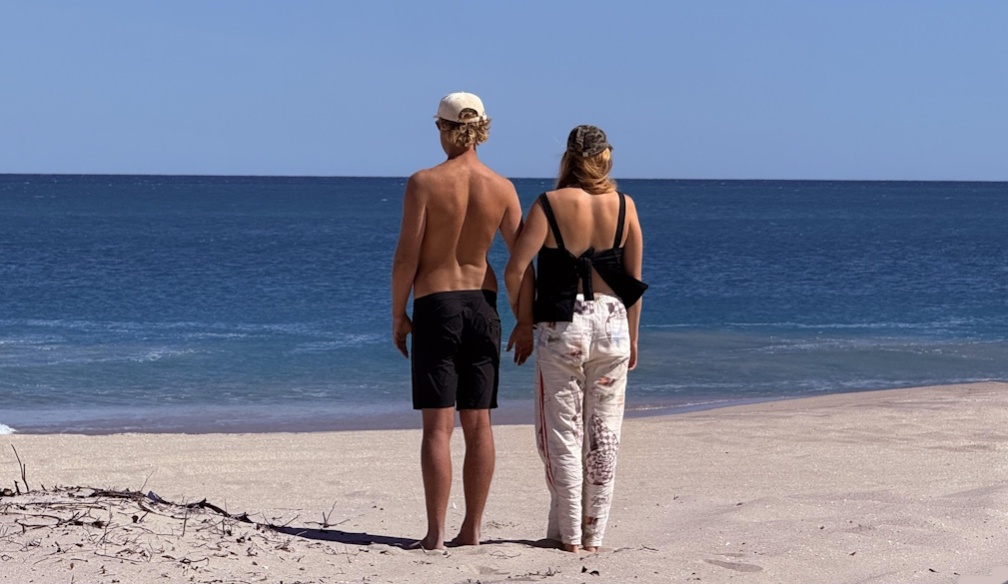
On opposite sides of Australia, two celebrated coastal destinations face a shared challenge: maintaining the natural systems that support their communities, wildlife and visitor economies.
Broome and Byron Bay offer very different Australian experiences.
Broome’s red earth, immense tides and tropical coastline contrast with Byron Bay’s green hinterland, surf beaches and coastal forests. Yet both places depend on something that cannot simply be rebuilt when it wears out: a healthy natural environment.
Their beaches, waterways and wildlife are part of everyday life for residents and a central reason visitors come.
Protecting those assets requires more than keeping a destination attractive. It means strengthening environmental resilience — the ability of natural systems to withstand disturbance, recover and continue supporting life.
For coastal communities, that also means making decisions about where to build, how to manage water, what to restore and how much pressure a landscape can reasonably accommodate.
A beautiful coastline is a changing coastline
A beach can appear permanent when viewed from a hotel balcony or a familiar walking track. In reality, coastlines move.
Sand shifts, dunes change shape, waterways open and close, and storms can transform a shoreline within hours. Rising sea levels add a longer-term pressure to those natural processes.
The NSW Government identifies increasing coastal inundation and erosion among the consequences of climate change, with implications for ecosystems, infrastructure and coastal industries. Environmental resilience therefore requires room for natural systems to adjust as conditions change.
This creates a difficult planning question for places such as Broome and Byron Bay: how can communities protect homes, businesses and public access while maintaining the coastal processes on which their beaches depend?
There is no single answer suitable for every stretch of shoreline. The important starting point is to recognise that yesterday’s coastline cannot always be held in place indefinitely.
Broome: planning beyond the next tourist season
Broome’s coastal planning already acknowledges the need to look well beyond immediate development pressures.
The Shire adopted its original townsite Coastal Hazard Risk Management and Adaptation Plan in 2017. Its underlying vulnerability assessment identified portions of the townsite exposed to coastal erosion and inundation within a 100-year planning timeframe.
A review progressed to public advertising in 2026, examining coastal hazards over 25-, 50- and 100-year horizons. Those timeframes matter because decisions about buildings, roads and public facilities can create obligations lasting for generations.
The practical lesson is straightforward: resilience begins before damage occurs.
A development may deliver an immediate economic benefit, but its location also determines future exposure, maintenance requirements and potential demands for protection. Assessing those consequences early gives a community more choices.
For Broome, environmental planning must also recognise that its coastline contains much more than recreational beaches.
Roebuck Bay is an internationally recognised Ramsar wetland. Its immense tidal range exposes around 160 square kilometres of intertidal mudflats, while the interaction of seawater, fresh surface water and groundwater helps determine the distribution of plants and animals. Protecting that environment means considering what happens across connected land and water systems.
That connection is also cultural.
Yawuru Country Managers care for land within the Yawuru Indigenous Protected Area and Minyirr Park, working alongside DBCA Yawuru Rangers across the conservation estate. Their work places care for Country within the practical management of Broome’s environment.
Environmental resilience in Broome should build on that stewardship, with Traditional Owners involved in decisions about the places and systems they manage.
Byron Bay: resilience begins beyond the beach
In Byron Bay, the environmental challenge extends from the shoreline into wetlands, creeks, neighbourhoods and the wider catchment.
Byron Shire Council’s Climate Change Adaptation Plan identifies four principal climate risks: flooding from extreme rainfall, coastal storm surges associated with severe storms and sea level rise, extreme heat, and increased fire weather. Its actions address both risk reduction and the community’s capacity to prepare, respond and recover.
That broader approach matters because coastal flooding cannot always be understood by looking at rainfall alone.
The NSW SES explains that flooding in Byron Shire can be worsened when high tides and storms push water back into waterways. Near Byron Bay, Belongil and Tallow creeks form part of a landscape where catchments, lagoon entrances and ocean conditions interact.
Resilience therefore involves more than increasing the capacity of an individual drain. It requires understanding where water comes from, where it needs to go and what happens when several pressures occur together.
The restoration of Sandhills Wetlands provides a practical example of combining environmental repair with community infrastructure.
The wetlands reopened in December 2025 as part of a broader Byron Bay flood resilience project. The restoration was designed to improve wildlife habitat and water quality while helping reduce flood impacts in the town centre. Those are intended benefits, rather than a promise that flooding can be eliminated.
The significance is the approach: restoring a natural system can contribute to the functioning of a town as well as its ecological health.
Nature performs work that communities would otherwise have to replace
Wetlands, coastal vegetation and mangroves are often appreciated for their appearance or wildlife value. They also perform physical functions.
Healthy coastal habitats can help stabilise shorelines, filter water, support fisheries and provide protection against erosion and storm-driven damage. Their effectiveness depends on the habitat, its condition and the forces acting upon it; they cannot remove every hazard.
That makes environmental maintenance a form of investment.
Restoring vegetation, controlling weeds, protecting water quality and managing access may attract less attention than a major construction project. Nevertheless, allowing natural assets to deteriorate can leave communities with fewer options and greater repair costs.
Byron Shire’s coastal management program explicitly connects hazard management with habitat protection, cultural uses, recreation and sustainable development. That reflects the reality that these interests share the same coastline.
Tourism depends on the condition of the destination
For both Broome and Byron Bay, environmental resilience is also an economic issue.
Visitors come for experiences grounded in place: a beach walk, wildlife, coastal scenery, time outdoors and a sense of escape. Accommodation, hospitality and tourism businesses depend on those experiences remaining worthwhile.
This suggests a more useful measure of tourism success than visitor numbers alone: whether the destination can welcome people while maintaining the environment and public services that make the visit enjoyable.
More visitors can bring income, but they also require toilets, waste collection, maintained access tracks, water services and clear information about sensitive areas.
Businesses have a role in helping guests understand local conditions and respect restrictions. Visitors have a role in using designated access, taking rubbish away and allowing wildlife space. Councils and land managers need the resources to maintain the places being promoted.
Environmental care becomes more effective when it is part of the visitor experience from arrival, rather than a request made after damage has occurred.
Resilience requires choices before a crisis
Neither community can prevent every storm, flood or period of coastal erosion.
What they can influence is the extent to which everyday decisions increase exposure or strengthen the capacity to cope.
The practical priorities include maintaining natural drainage and habitat, assessing development against future hazards, supporting ongoing environmental monitoring, and funding maintenance after restoration projects are completed.
Residents also need accessible explanations of the choices being considered. A coastal plan is more useful when people understand what it means for their neighbourhood, public beach access and future council expenditure.
A resilient community should be able to discuss those trade-offs openly, including the limits of protective works and the cost of repeatedly repairing vulnerable assets.
The lasting value of place
Broome and Byron Bay do not need identical environmental policies. Their landscapes, climates and coastal processes require different responses.
They do, however, share an enduring interest in keeping their natural systems healthy enough to support residents, visitors and wildlife into the future.
That requires patience as well as funding. A restored wetland needs continuing care. A coastal plan needs updating. A protected habitat needs monitoring. Environmental resilience is built through repeated decisions, including many that will never become a headline.
The lasting value of a destination lies in whether the place people came to experience can continue to thrive.