Day Spa Culture in Australia: What to Look For Before Booking
- Written by: The Times
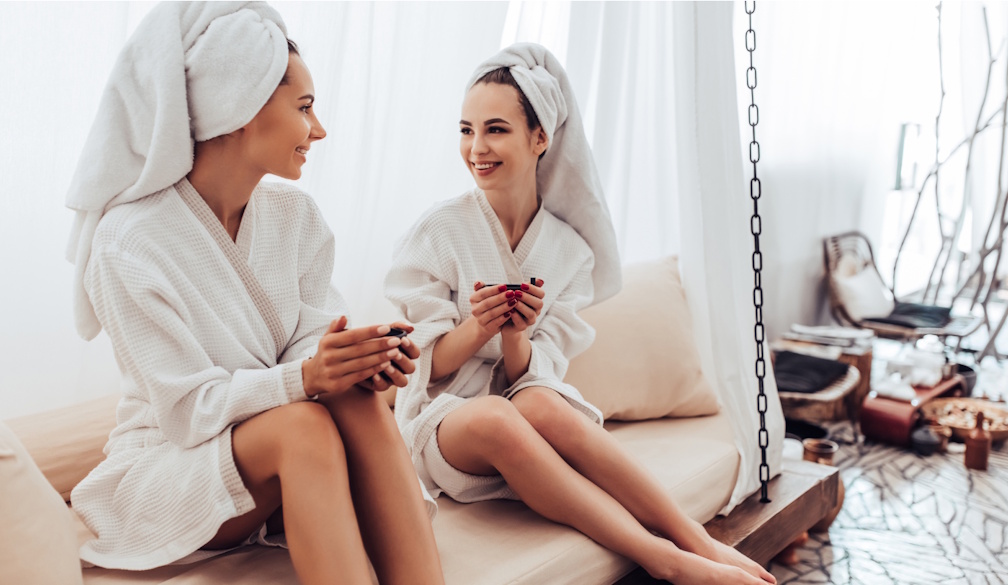
The modern day spa is no longer viewed as an occasional luxury reserved for celebrities, honeymooners or five-star hotel guests. Across Australia, day spas have become part of mainstream lifestyle culture for men and women alike.
Some people visit a spa to unwind after a stressful work period. Others book treatments for beauty maintenance, skin care, sports recovery or simply a few quiet hours away from phones, emails and constant pressure.
The industry itself has expanded dramatically. Luxury hotels now operate spa facilities alongside accommodation. Regional retreats market wellness weekends. Urban clinics combine cosmetic services with relaxation treatments. Even suburban shopping centres increasingly feature massage and beauty therapy operators presenting themselves as “spa experiences”.
Yet not all spas are equal. Some are outstanding professional operations. Others rely more heavily on atmosphere and marketing than genuine expertise.
Choosing the right day spa requires more thought than simply selecting the closest venue or cheapest treatment package.
What Exactly Is a Day Spa?
A day spa generally provides non-surgical wellness, beauty and relaxation services designed to improve physical comfort, appearance and mental wellbeing.
Unlike a medical clinic or cosmetic surgery practice, most day spas focus on relaxation and non-invasive treatments. Clients usually attend for several hours rather than staying overnight, although luxury resorts may combine accommodation with spa access.
Most modern spas attempt to create a calming environment through music, lighting, scent, décor and private treatment rooms. The goal is to make clients feel separated from daily stress.
The experience itself has become part of the product.
Men and Women Both Use Day Spas
One of the biggest changes in the industry over the past decade has been the growth in male clientele.
Historically, spas were marketed heavily toward women. Today, many operators report increasing numbers of male customers booking massages, facials, body treatments and wellness therapies.
Professional men, athletes, tradespeople and older Australians increasingly use massage and skin treatments as part of general self-care rather than viewing such services as indulgent.
Couples bookings have also become common. Many spas now market packages specifically designed for partners, anniversaries and shared relaxation experiences.
Importantly, modern spas have become more gender-neutral in their presentation. Many venues now avoid overtly feminine branding and instead focus on wellness, recovery and premium service.
The Most Common Spa Services
The range of services available varies enormously depending on the venue.
Some smaller spas focus mainly on massage and facials. Larger luxury operations may offer dozens of treatments.
Common services include:
Massage Therapy
Usually the core service offered by most spas.
Massage styles may include:
- Swedish massage
- Deep tissue massage
- Relaxation massage
- Aromatherapy massage
- Hot stone massage
- Sports massage
- Pregnancy massage
Many clients book massage treatments primarily for stress relief, muscular tension and relaxation.
Facials
Facials remain one of the most popular beauty-focused spa services.
These treatments often involve:
- Cleansing
- Exfoliation
- Hydration
- Skin masks
- Anti-ageing products
- LED therapy
- Extraction procedures
High-end spas frequently use premium skincare brands as part of their marketing appeal.
Body Treatments
These services are designed to improve skin texture and relaxation.
Examples include:
- Body scrubs
- Salt exfoliation
- Mud wraps
- Detox treatments
- Hydration wraps
- Mineral therapies
Some treatments are wellness-oriented while others are largely cosmetic.
Hydrotherapy
Luxury spas may include water-based facilities such as:
- Mineral pools
- Hydrotherapy spas
- Steam rooms
- Saunas
- Ice baths
- Plunge pools
These facilities often form part of premium packages.
Beauty Treatments
Many day spas now overlap heavily with beauty salons.
Additional services may include:
- Waxing
- Tinting
- Manicures
- Pedicures
- Makeup services
- Spray tanning
- Brow shaping
Wellness Services
Some modern spas increasingly market broader wellness offerings including:
- Meditation sessions
- Yoga classes
- Breathwork
- Nutrition consultations
- Wellness coaching
The industry continues evolving beyond traditional beauty services alone.
What Should People Look For?
Atmosphere matters — but professionalism matters far more.
Consumers should pay close attention to several factors before booking.
Cleanliness and Hygiene
This should be non-negotiable.
Treatment rooms, towels, robes, bathrooms and spa facilities must appear spotless. Equipment should be sanitised properly. Therapists should present professionally.
A luxury-looking spa with poor hygiene standards is still a poor spa.
Qualified Staff
Massage therapists and beauty professionals should hold recognised qualifications and appropriate certifications.
Clients should never feel uncomfortable asking about training and experience, particularly for more advanced skin procedures.
Experienced therapists usually understand:
- Pressure adjustment
- Skin sensitivities
- Medical contraindications
- Client comfort
- Professional boundaries
Clear Pricing
Good spas provide transparent pricing upfront.
Consumers should be cautious if:
- Prices are vague
- Staff aggressively upsell treatments
- Extra fees suddenly appear
- Membership pressure becomes excessive
A reputable spa should explain exactly what is included.
Privacy and Comfort
Clients are often in vulnerable positions during treatments. Professional spas understand this and prioritise discretion and comfort.
Treatment rooms should feel private and secure. Staff should explain procedures clearly before beginning.
Reviews and Reputation
Online reviews can provide useful insight, although consumers should view them realistically.
Patterns matter more than isolated complaints.
Consistent criticism involving cleanliness, rude staff or aggressive upselling may indicate broader problems.
Likewise, repeated praise for therapist professionalism and service quality is usually meaningful.
Treatment Philosophy
Some spas focus heavily on genuine wellness and relaxation. Others are more commercially aggressive beauty clinics disguised as spas.
Neither approach is inherently wrong, but customers should understand what they are booking.
Someone seeking quiet relaxation may not enjoy a high-pressure cosmetic sales environment.
What Do Day Spas Cost?
Pricing varies enormously depending on location, reputation and treatment complexity.
Basic treatments in suburban locations may begin around:
- $60 to $100 for shorter massages
- $80 to $150 for facials
- $50 to $90 for manicures and pedicures
Luxury city or resort spas can charge substantially more:
- $180 to $350+ for premium massages
- $250+ for advanced facials
- $400 to $1000+ for full-day packages
Hotel spas in Sydney, Melbourne and luxury regional retreats often position themselves as premium lifestyle experiences rather than simple beauty services.
Consumers are not always paying purely for the treatment itself. They may also be paying for:
- Waterfront or resort locations
- Luxury facilities
- Privacy
- Exclusive product ranges
- Premium branding
- Hospitality experience
Are Expensive Spas Always Better?
Not necessarily.
Some smaller independent spas deliver outstanding service and highly skilled therapists at lower prices than luxury hotel operators.
Meanwhile, some expensive venues rely heavily on décor and prestige branding while delivering average treatments.
The therapist often matters more than marble floors or imported candles.
A well-trained professional who listens carefully to a client’s needs will usually outperform a glamorous venue focused mainly on volume and upselling.
The Rise of Wellness Culture
The growth of day spas reflects broader social changes.
Australians increasingly discuss:
- Burnout
- Mental health
- Stress management
- Sleep quality
- Self-care
- Work-life balance
Many people no longer view massage or spa visits as occasional indulgences. Instead, they see them as part of preventative wellbeing and lifestyle maintenance.
That cultural shift has transformed the industry.
Choosing Carefully Matters
The best day spas create something increasingly rare in modern life: genuine quiet.
A good spa experience leaves clients feeling calmer, refreshed and physically better than when they arrived.
But consumers should remember that presentation alone is not enough. Professionalism, hygiene, therapist quality and transparency matter far more than scented candles and soft music.
Ultimately, the right spa depends on what the customer actually wants — deep relaxation, beauty maintenance, sports recovery, wellness support or simply a temporary escape from daily pressure.
And in a fast-moving, digitally connected world, that escape has become a valuable commodity in its own right.