Ways to Attract Tenants in a Competitive Rental Market
- Written by: The Times
In the kind of rental market we’ve got now, standing out is half the battle. The other half? Actually getting someone to sign that lease. With interest rates doing backflips and buyers sitting tight, it’s renters who hold the cards, and that means landlords have to do more than just open the front door and hope for the best. If you're after steady income and low vacancy rates, it’s time to put in some effort.
Make It Feel Like Home
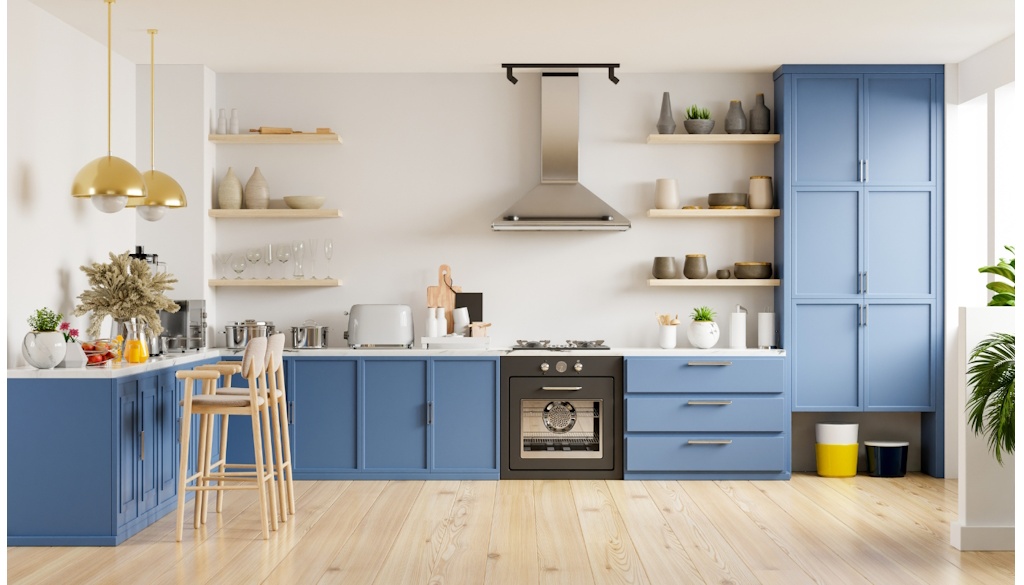
People are emotional, even when they pretend they’re not. You might think tenants care most about the number of bedrooms or if there’s a dishwasher, but what really gets them is how a place feels. If it’s sterile and echoey with blank walls and that weird smell of fresh paint, it can be a hard sell. You want it to feel like someone could live there, not like no one ever has.
Little things go a long way. Warm lighting beats cold fluorescents any day. You don’t need a designer staging team either; just a bit of thought. Even if the place is unfurnished, there are ways to soften it visually and give it that human vibe without pretending it’s something it’s not.
Photos That Don’t Look Weird
This one sounds obvious but gets butchered all the time. Bad photos kill interest quickly because they make you look unreliable. Grainy, dim, crooked-angle shots where the toilet lid is up and you can see your own reflection look unprofessional, to say the least. If the images don’t sell the dream, you won’t get calls.
Spend a little on a proper photographer or at the very least learn how to shoot with your phone in natural daylight. You can clear the clutter, wipe down the mirror, and open the blinds. If you check tenant demand and it’s not as high as you want it to be, start with the pictures. People won’t even consider you if the photos show no potential.
Be Transparent
It’s tempting to overplay your hand in the listing. You may want to say it’s "the BEST unit in the area!!!" when it’s really just a decent one. Don’t do that. People are smart, and they’ve seen twenty ads just like it today. Be real, but be persuasive. If there’s no bath but there’s an epic shower? Say that. If it’s a bit small, but the balcony gets full sun all afternoon, lead with that.
And if there are costs involved, don’t bury them. Surprises after signing make people feel burned. You want tenants who feel they can trust you, not tenants waiting for the next catch.
Flexibility Wins Hearts
Renters today don’t just want value. They want ease. If you make them jump through unnecessary hoops or insist on rigid viewing times that only suit you, they’ll go elsewhere.
So, be the one who calls back quickly. Or be the one who allows pets, because that opens you up to a whole other crowd of solid tenants who just want to live somewhere with their dog and not be judged for it. That little bit of give can land you the kind of tenant that stays longer and respects the space.
Highlight the Stuff They Can’t See Straight Away
The location, for example, will sell itself a bit. But tenants need you to connect the dots. You’d be surprised how often landlords forget to mention that the bus stop is two minutes away or that there’s a park around the corner with a dog run. Those things matter more than the glossy kitchen sometimes.
So when you’re putting together your ad, or chatting at inspections, tell people what life looks like here. If you know about the hidden gems of your neighbourhood, they need to know about them, too.
Respond Like You Actually Want a Tenant
If you take four days to reply to an enquiry, don’t be shocked when they’ve moved on. The market might be busy, but renters have choices, and they won’t wait around for someone who seems uninterested or difficult.
Even if you’ve got twenty enquiries coming through, each one deserves a prompt reply. A fast answer can be the reason someone picks your place over the near-identical one two streets away.
Conclusion
In a tight market, it’s easy to panic. But a bit of patience can save you heaps of stress later. Present your property well, and treat the people walking through it like people you actually want to live there. You’d be surprised to see where this approach can take you.