Small Details, Big Difference: How Minor Decor Tweaks Can Redefine Your Home
- Written by: The Times
Have you ever walked into a home that felt effortlessly stylish, but you couldn’t quite figure out why? It’s often not about major renovations; it’s the small details that make a big impact. A new set of cushions, a change in lighting, or the perfect window treatment can completely transform a space. In this article, we’ll show how minor decor tweaks can refresh your home’s look and feel without breaking the bank.
1. The Magic of Lighting
Lighting can dramatically affect how your home feels. Swap out harsh overhead lights for warm-toned bulbs, and watch the atmosphere instantly soften. Add a table lamp to a reading nook or use LED strip lights under cabinets to brighten up your kitchen without any major rewiring. Even candles and fairy lights can bring warmth and charm to otherwise cold or forgotten corners.
The key here is versatility; consider installing dimmer switches or choosing lamps with adjustable brightness. These small changes allow you to shift the mood of the room from bright and energetic to calm and cozy in seconds. Lighting creates depth, highlights focal points, and adds character. When used strategically, it becomes one of the most transformative tools in interior design.
2. Throw Pillows, Blankets, and Texture
Never underestimate the power of soft furnishings. Throw pillows and blankets are a low-cost way to update your décor with seasonal colours, trendy patterns, or luxe textures. In colder months, rich velvets and chunky knits can make your living space feel snug and inviting. When summer comes around, switch to lightweight linens or cotton blends in airy tones.
3. Wall Art That Tells Your Story
Art doesn’t have to be expensive or gallery-worthy to make a difference. A thoughtfully placed painting, print, or even a framed family photo can elevate a wall from boring to beautiful. Consider creating a gallery wall using a mix of artwork and personal memories—it’s a stylish way to showcase your personality and make your space feel uniquely yours.
Swapping out wall art from time to time also keeps your space feeling fresh without needing to redo the entire room. Experiment with different frame styles, orientations, and colour palettes. Incorporate travel souvenirs, sketches, or even decorative plates—anything that resonates with you and complements the room.
4. Fresh Greenery and Flowers
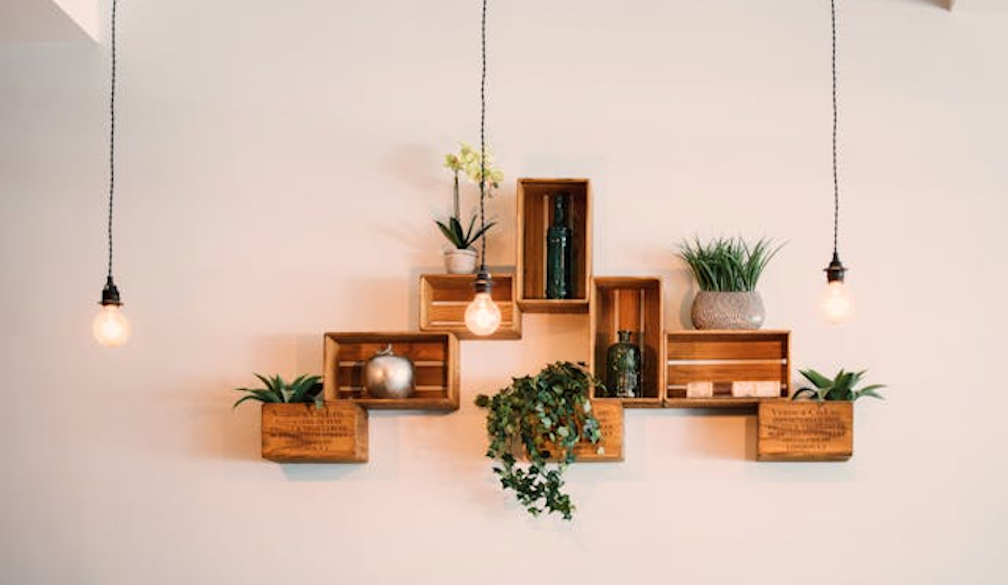
Adding plants is one of the easiest and most affordable ways to breathe life into your home. A potted fern in the bathroom, a snake plant in the corner of the living room, or a vase of fresh flowers on the dining table can do wonders.
Not only do plants improve air quality, but they also bring in colour and softness that enhances nearly any decor style, from rustic to minimalist.
5. Update Your Hardware
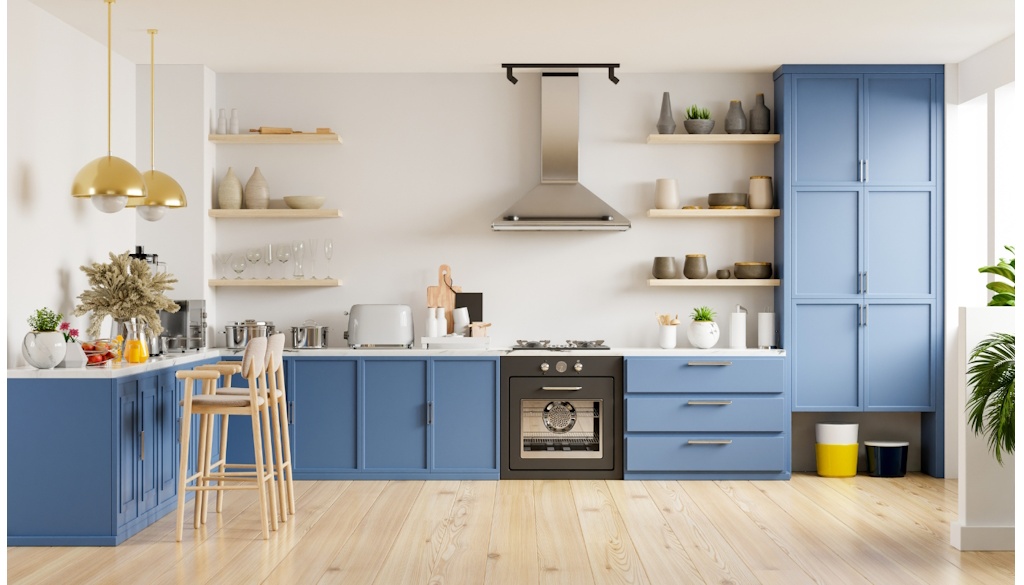
A simple swap of cabinet handles, drawer pulls, or door knobs can modernise an entire space. Whether you're going for a matte black finish, brushed gold, or sleek chrome, new hardware is a cost-effective way to add polish and personality.
The best part? It’s usually a quick DIY job. All you need is a screwdriver and a bit of patience, and suddenly your kitchen or bathroom feels brand new. Try mixing styles, classic knobs on drawers with linear pulls on cabinets—or matching all fixtures for a seamless aesthetic.
6. Curtains That Define a Space
Now let’s talk about a game-changer: curtains. While they might seem like a background element, window treatments can drastically shape the look and feel of a room. Heavy drapes create drama and coziness, while light sheers let in soft natural light and make a space feel open.
This is where elegant custom curtains for modern homes really shine. Custom options allow you to choose the exact length, fabric, colour, and fit, elevating your room from “off-the-rack” to designer chic. Whether you're working with floor-to-ceiling windows or cozy alcoves, tailored curtains help control light, enhance privacy, and provide a cohesive, polished aesthetic.
7. The Power of Fragrance
Scent is a detail often overlooked, but it plays a huge role in how your home feels. A well-chosen candle, diffuser, or essential oil blend can create an inviting and calming environment.
Try lavender for relaxation in the bedroom, citrus for a burst of freshness in the kitchen, or warm vanilla in the living room for cozy evenings. Fragrance ties everything together—it’s like the final touch in a perfectly styled outfit. Scented sachets in drawers, eucalyptus bundles in the shower, or a simmer pot on the stove can enhance the home experience in quiet but meaningful ways.
8. Stylish Storage Solutions
Clutter can quickly ruin the vibe of even the most beautifully decorated room. Investing in smart storage solutions helps you stay organised while adding to your aesthetic. Think woven baskets, floating shelves, storage ottomans, or decorative boxes.
These elements not only keep your space tidy but also add texture, height, and visual interest. You don’t have to hide everything away—just give it a more thoughtful place to live. Label your containers, colour-coordinate your storage elements, or turn everyday items into decor (like stacking pretty books or displaying glass jars of pantry staples).
9. Rugs That Ground the Room
A well-chosen rug adds warmth, texture, and definition to a space. It helps anchor your furniture layout, delineates zones in open floor plans, and can inject pattern or colour without overwhelming the room.
From bold statement rugs to simple neutrals, changing your rug is a relatively easy way to refresh your decor. Just make sure it's the right size—too small, and it will look out of place; too large, and it could overwhelm the space. Rugs under dining tables, in hallways, and even layered rugs can create visual intrigue and define your space in subtle ways.
Final Thoughts
Redefining your home doesn’t require a full-scale renovation or a hefty budget. In fact, the most impactful changes often come from the smallest tweaks. From swapping out hardware and adding plants to investing in elegant custom curtains for modern homes, it’s the attention to detail that transforms a space from ordinary to inspiring. Contacting a team of professional interior decorators can help bring your homely visions into reality!
So take a fresh look at your surroundings. What small change could you make today? Start with one corner, one piece, one detail—and see just how big of a difference it can make.