“I Thought It Would Cost $500”: The Great Australian DIY Renovation Dream
- Written by: The Times
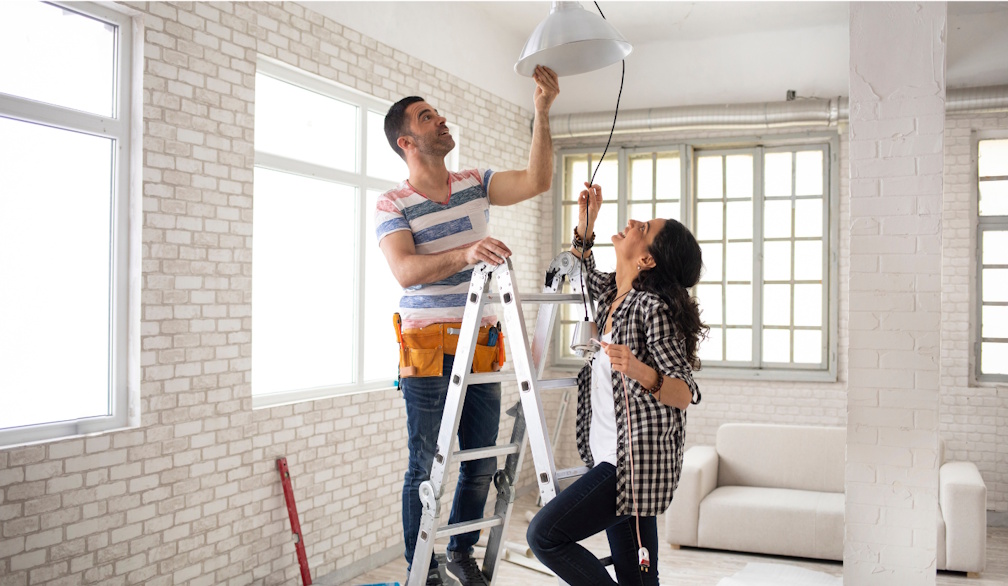
Every weekend across Australia, ordinary people walk confidently into hardware stores believing they are about to save thousands of dollars renovating their homes themselves.
By Sunday evening, many are sunburnt, exhausted, covered in paint, missing three screws they urgently need, and questioning every life decision that led them to attempt installing floating floorboards after watching a seven-minute online video.
DIY renovating has become something of a national pastime in Australia. Rising property prices, expensive tradespeople and endless renovation television shows have convinced millions of Australians that they too can transform a tired property into a dream home.
Reality, however, often arrives quickly.
The Famous “Quick Weekend Project”
Every experienced renovator knows the phrase.
“It should only take a weekend.”
These words are responsible for enormous emotional, financial and marital damage throughout Australia.
A simple plan to repaint the spare bedroom somehow evolves into:
• Replacing skirting boards
• Discovering mould
• Finding crooked walls
• Upgrading power points
• Replacing old carpet
• Buying new furniture because “the old stuff won’t match anymore”
Three weekends later the room remains half-finished and someone in the household has stopped speaking to everyone else.
Building Materials Are Not Cheap
One of the biggest shocks for first-time renovators is the price of materials.
Australians enter hardware stores expecting timber, screws and paint to cost roughly what they did in 1997.
Instead they discover:
• A single piece of timber can cost more than dinner for two
• Paint brushes somehow require a small personal loan
• Decking screws are apparently made from rare minerals
• Tiles are sold individually at prices resembling luxury chocolates
• Sandpaper has become a premium product
Many renovators also discover the dangerous psychological phenomenon known as “while we’re here”.
This occurs when a person enters a hardware warehouse intending to spend $40 and leaves with $1,200 worth of supplies plus a new cordless tool set they absolutely did not need.
Tradies Are Worth Their Weight In Gold
Most Australians gain enormous respect for tradespeople during renovations.
Jobs that appear simple on television suddenly become highly technical once attempted in real life.
A homeowner may spend six frustrating hours attempting to hang a door, only to watch a carpenter complete the task perfectly in nine minutes while casually drinking a coffee.
Good electricians, plumbers, tilers and carpenters are now recognised as highly valuable professionals.
And expensive.
Very expensive.
Some homeowners joke the most stressful moment during a renovation is not structural damage or plumbing leaks — it is waiting for the quote to arrive.
Still, many Australians admit skilled tradespeople are worth paying for.
Bad DIY work can become extraordinarily expensive to repair.
The Bunnings Economy
Australia’s renovation culture has effectively created its own weekend economy.
Hardware store car parks fill before sunrise on Saturdays with:
• Determined fathers
• Optimistic first-home buyers
• Couples debating paint colours
• Retirees building elaborate garden projects
• People buying one washer and somehow spending $300
The sausage sizzle has become part of the emotional support system for renovation survivors.
There is also a strange camaraderie among Australians wandering hardware aisles looking confused while pretending they fully understand plumbing fittings.
Renovation Television Made Everything Look Easy
Part of Australia’s DIY confidence comes from renovation television.
On television:
• Entire kitchens are rebuilt in 48 hours
• Budgets are magically controlled
• Couples remain attractive despite demolition dust
• Tradespeople always arrive on time
• Nobody spends four hours searching for a missing drill bit
Real life tends to involve hardware store returns, budget blowouts and heated arguments about tile patterns.
Yet Australians keep renovating anyway.
Why Australians Still Love DIY
Despite the stress, cost and occasional disaster, DIY renovating remains deeply popular.
Partly because Australians genuinely enjoy improving their homes.
But also because there is enormous satisfaction in standing back and saying:
“I built that.”
Even if it leans slightly to the left.
DIY projects can also create something increasingly valuable in modern Australia — optimism.
In difficult economic times, improving a home gives people a sense of progress and control.
Sometimes a fresh coat of paint, a repaired deck or a renovated garden becomes more than just cosmetic improvement. It becomes a reminder that things can still be made better with effort and patience.
Even if the project took four times longer than expected and cost triple the original budget.