Residential HVAC Systems in Australia: What Homeowners Need to Know Before Buying
- Written by: The Times
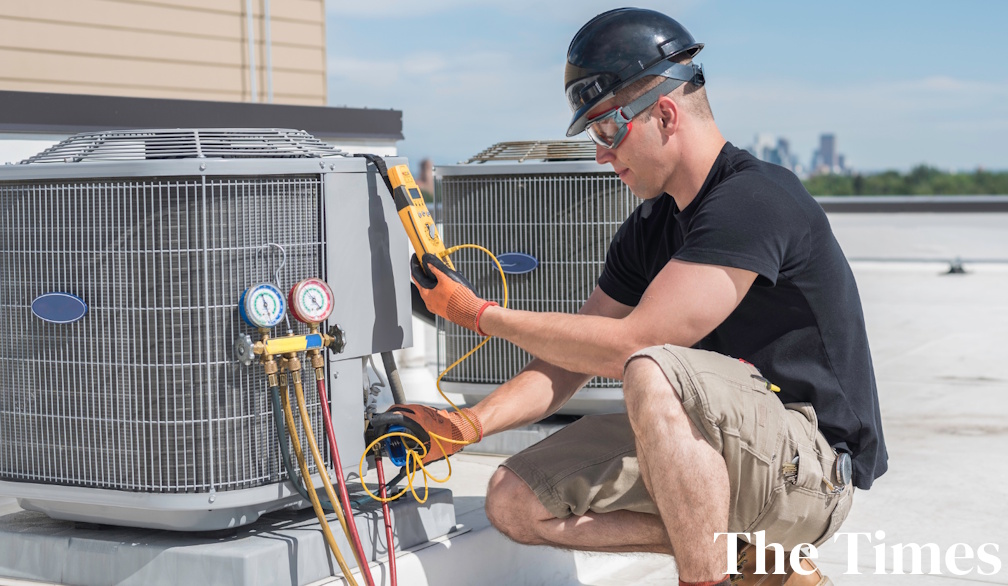
Australia’s residential HVAC market is evolving rapidly as households face hotter summers, rising electricity prices, stricter building standards and increasing expectations for comfort. What was once a simple decision between a wall-mounted air-conditioner or a ceiling fan has become a far more technical and expensive purchasing process involving energy efficiency ratings, inverter technology, smart home integration, zoning systems and long-term operating costs.
For many Australian families, installing or replacing a heating, ventilation and air conditioning system is now one of the largest home infrastructure decisions they will make outside kitchens, solar systems and vehicles.
The challenge is that HVAC systems are not merely products. They are integrated systems involving engineering, electrical work, refrigeration technology, insulation performance and climate suitability. A system that performs brilliantly in Brisbane may not be ideal in Hobart, while a cheaper installation can become an expensive mistake if spare parts or servicing become difficult later.
Australia’s Climate Makes HVAC Essential
Australia’s climate diversity heavily influences HVAC purchasing decisions.
In Queensland and northern Australia, cooling performance dominates decision-making. Long humid summers place enormous demand on air-conditioning systems, particularly in family homes with multiple bedrooms and open-plan living areas.
In southern states including Victoria and Tasmania, heating performance becomes equally important. Reverse-cycle systems capable of both heating and cooling are now considered standard in many modern homes.
Western Sydney, Adelaide and inland regional centres face unique challenges due to extreme summer heat. Temperatures exceeding 40 degrees can expose weaknesses in poorly designed or undersized systems.
Modern Australians increasingly view HVAC systems as essential infrastructure rather than optional luxury items.
The Shift Toward Reverse-Cycle Systems
Gas heating systems once dominated many Australian homes, particularly in southern states. However, the market is shifting strongly toward reverse-cycle electric systems.
Several factors are driving the trend:
• Rising Gas Prices
• Government Electrification Policies
• Improved Energy Efficiency
• Solar Power Compatibility
• Environmental Concerns
• Reduced Installation Complexity
Modern reverse-cycle inverter systems can deliver both heating and cooling with impressive efficiency levels, especially when paired with rooftop solar systems.
For many homeowners, the ability to cool during summer and heat during winter using a single integrated system makes financial and practical sense.
Performance Remains the Key Buying Factor
Most Australian consumers begin their HVAC research focused on one question: “Will it actually keep the house comfortable?”
Performance depends on multiple variables:
• System Capacity
• Home Insulation
• Ceiling Height
• Window Exposure
• Climate Zone
• Airflow Design
• Duct Quality
• Room Layout
A common mistake is selecting systems purely based on price rather than engineering suitability.
An undersized unit may run continuously, increasing electricity bills while failing to adequately cool the property. An oversized unit may short-cycle, reducing efficiency and creating uncomfortable humidity conditions.
Humidity control is particularly important in coastal Australia. Some cheaper systems may technically cool the air but fail to properly dehumidify rooms, leaving occupants uncomfortable despite lower temperatures.
Premium systems generally perform better in:
• Extreme Heat Conditions
• Quiet Operation
• Humidity Management
• Temperature Stability
• Energy Efficiency
• Longevity
Running Costs Are Now a Major Concern
Electricity prices have become one of the most important considerations for Australian households.
Consumers are no longer simply asking what a system costs to buy. They are asking what it costs to operate over 10 to 15 years.
Inverter technology has dramatically improved efficiency compared with older fixed-speed compressors. Modern systems can reduce power consumption significantly by adjusting compressor output rather than constantly switching on and off.
Many households now actively compare:
• Energy Star Ratings
• COP (Coefficient of Performance)
• Cooling Efficiency Ratios
• Heating Efficiency
• Smart Energy Modes
• Solar Compatibility
Running costs vary enormously between systems.
A cheaper HVAC system may save several thousand dollars upfront but cost far more in electricity over time.
For larger homes, zoning systems are becoming increasingly popular. These systems allow homeowners to cool or heat only occupied sections of the property, reducing operating costs.
Smart thermostats and mobile phone integration are also helping consumers better manage energy use.
Installation Quality Can Make or Break a System
Industry professionals consistently warn that even premium brands can perform poorly if installation standards are inadequate.
Installation quality affects:
• Airflow
• Noise Levels
• Energy Efficiency
• Reliability
• System Lifespan
• Refrigerant Performance
Poor duct design, inadequate insulation, refrigerant leaks or badly positioned outdoor units can significantly reduce system performance.
Australians are increasingly aware that HVAC installation is not simply an appliance delivery service. It is a specialised trade involving refrigeration mechanics, electricians and ventilation design.
Many consumers now seek installers with:
• ARC Licensing
• Strong Online Reviews
• Manufacturer Accreditation
• Long Warranty Support
• Established Local Presence
Some of the cheapest installation quotes may involve subcontracting arrangements with limited after-sales support.
Warranty Terms Matter More Than Ever
Warranty length has become a major marketing tool in Australia’s HVAC sector.
Many prominent brands now advertise warranties ranging from 5 to 10 years, although conditions often apply.
Consumers are increasingly scrutinising:
• Compressor Warranty Length
• Labour Coverage
• Parts Coverage
• Service Requirements
• Exclusions
• Transferability
A long warranty from a brand with weak Australian service infrastructure may offer less practical value than a shorter warranty backed by strong nationwide support.
Homeowners should also understand that warranty claims often depend on:
• Professional Installation
• Correct Sizing
• Regular Maintenance
• Licensed Servicing
Failure to comply with servicing requirements may affect warranty validity.
Spare Parts Availability Is a Growing Issue
Spare parts availability has become a significant concern in Australia following global supply chain disruptions.
During the COVID-era and beyond, some homeowners experienced long delays waiting for replacement control boards, compressors or electronic components.
This exposed the risks of purchasing obscure or lightly supported brands.
Australians increasingly favour brands with:
• Large Australian Operations
• Established Distribution Networks
• Local Warehousing
• Broad Technician Familiarity
• Long-Term Market Presence
If spare parts become difficult to source, repair costs can escalate quickly.
In some cases, relatively minor electronic failures can leave households waiting weeks during summer heatwaves.
Prominent HVAC Brands in Australia
Several major brands dominate the Australian residential HVAC market.
Daikin
Daikin maintains a strong reputation in Australia for premium residential systems, reliability and broad installer support. Many HVAC professionals regard Daikin as one of the benchmark brands for performance and spare parts availability.
Mitsubishi Electric
Mitsubishi Electric is highly regarded for quiet operation, efficiency and reliability. The brand is especially popular in premium residential installations.
Mitsubishi Heavy Industries
Often referred to separately from Mitsubishi Electric, Mitsubishi Heavy Industries has developed a strong following among installers and consumers seeking durable systems capable of handling harsh Australian conditions.
Fujitsu
Fujitsu remains widely recognised across Australia, particularly in split-system residential applications. The company has strong brand recognition and broad installer familiarity.
Panasonic
Panasonic combines HVAC engineering with smart-home technology integration and energy efficiency features.
LG
LG has expanded strongly in Australia’s air-conditioning sector with sleek modern designs and smart connectivity features.
Samsung
Samsung continues growing its HVAC presence through integrated smart home ecosystems and modern inverter systems.
ActronAir
ActronAir positions itself as an Australian-focused manufacturer designing systems specifically for local climate conditions.
Braemar
Braemar remains well known for ducted gas heating and evaporative cooling systems, particularly in southern Australia.
Bonaire
Bonaire continues to maintain a presence in evaporative cooling and heating markets across Australia.
Split Systems vs Ducted Systems
One of the biggest decisions facing homeowners is whether to install split systems or fully ducted HVAC systems.
Split Systems
Advantages include:
• Lower Upfront Cost
• Easier Installation
• Excellent Efficiency
• Suitable For Smaller Homes
• Individual Room Control
Disadvantages include:
• Multiple Indoor Units Required
• Visible Wall Units
• Limited Whole-Home Integration
Ducted Systems
Advantages include:
• Whole-Home Climate Control
• Cleaner Interior Appearance
• Zoning Capability
• Premium Property Appeal
Disadvantages include:
• Higher Installation Costs
• More Complex Servicing
• Greater Installation Requirements
For premium homes, ducted reverse-cycle systems are increasingly viewed as a desirable feature similar to solar systems or quality kitchens.
Smart Home Integration Becoming Mainstream
Consumers increasingly expect HVAC systems to integrate with modern technology.
Features now commonly marketed include:
• Mobile App Control
• Voice Assistant Compatibility
• Wi-Fi Connectivity
• Usage Monitoring
• Remote Scheduling
• Occupancy Sensors
Smart integration is particularly attractive for energy-conscious households seeking to optimise electricity usage around solar generation periods.
The Importance of Professional Advice
HVAC systems are becoming more technically sophisticated every year.
Many industry experts advise consumers to seek multiple professional assessments before committing to expensive installations.
Important considerations include:
• Home Orientation
• Insulation Quality
• Window Placement
• Family Usage Patterns
• Local Climate Conditions
• Existing Electrical Capacity
• Solar Integration Potential
A properly designed HVAC solution may deliver comfort, efficiency and reliability for 15 years or more.
A poor decision may result in constant servicing, high electricity bills and inadequate comfort during Australia’s increasingly extreme weather conditions.
The Bottom Line
Australia’s residential HVAC market is no longer driven solely by upfront price.
Modern consumers are weighing:
• Long-Term Running Costs
• Reliability
• Service Support
• Energy Efficiency
• Installation Standards
• Warranty Confidence
• Spare Parts Access
• Smart Technology Features
As energy prices rise and climate conditions become more demanding, HVAC systems are increasingly viewed as critical long-term household infrastructure investments rather than simple appliances.
For many Australians, the cheapest quote is no longer the most attractive option.
Reliability, efficiency and trusted after-sales support may ultimately prove far more valuable than saving a few thousand dollars at installation time.