



The Daily Concerns for People Living in Hobart
- Written by: The Times
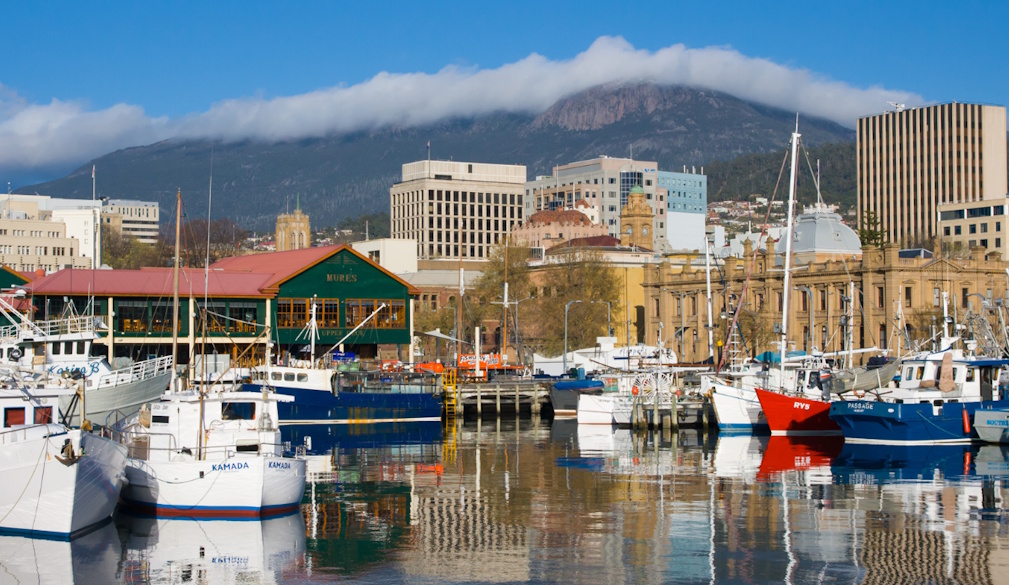
Hobart is often portrayed as a lifestyle haven — a harbour city framed by Mount Wellington, rich in heritage, culture and natural beauty. For visitors, it can feel calm, charming and refreshingly unhurried. For those who live there, however, daily life brings a distinct set of pressures that are increasingly familiar to Australians across the country, yet shaped by Hobart’s unique economic and geographic realities.
Behind the postcard image, residents are grappling with rising living costs, housing shortages, healthcare access, employment insecurity and the practical challenges of living in a small but rapidly changing city.
Cost of Living: Rising Prices, Slower Incomes
The cost of living is the most immediate concern for many Hobart residents. While Tasmania was once considered a more affordable alternative to mainland capitals, that gap has narrowed sharply.
Groceries, fuel, electricity and insurance have all risen significantly, often without corresponding wage growth. Tasmania’s average incomes remain below the national average, meaning price increases hit households harder and faster.
Energy costs are a particular concern. Despite Tasmania’s renewable energy profile, electricity prices remain a source of frustration, especially for renters and older residents living in poorly insulated housing stock.
For many households, careful budgeting has become a daily necessity rather than a precaution.
Housing: From Affordability Advantage to Acute Pressure
Housing has become one of Hobart’s most pressing challenges. Rapid price growth over the past decade, combined with limited supply, has transformed the local market.
Renters face low vacancy rates and rising rents, with competition for properties intense. Long-term residents increasingly report being priced out of neighbourhoods they have lived in for years, while younger people struggle to secure stable housing at all.
Home ownership, once achievable for many on modest incomes, now requires larger deposits and greater financial risk. The impact is felt across generations — from young adults delaying independence to older residents concerned about security in retirement.
Short-stay accommodation and population growth have added to pressure, intensifying debate about how Hobart balances tourism, investment and community needs.
Healthcare Access: Availability Over Affordability
Healthcare is another daily concern, particularly access rather than quality. Hobart’s public health system delivers strong care, but workforce shortages and waiting lists are a growing issue.
Securing timely GP appointments has become more difficult, and bulk billing is increasingly rare for adults. Specialist services are limited, often requiring long waits or travel to the mainland for complex treatment.
Mental health services are under particular strain, with demand outpacing supply. For families and individuals dealing with chronic illness, navigating the system can be stressful and time-consuming.
For an ageing population, these pressures are expected to intensify.
Employment and Economic Security
Hobart’s economy is smaller and less diversified than mainland capitals, which shapes daily concerns around job security and career progression.
While sectors such as healthcare, education, tourism and public administration provide stable employment, opportunities in other fields can be limited. Many residents work multiple jobs, commute long distances or accept underemployment to make ends meet.
Younger professionals often face a difficult choice: stay for lifestyle and family ties, or leave for broader career opportunities elsewhere. This “brain drain” remains a concern for Tasmania’s long-term economic resilience.
Small businesses also feel the strain, operating in a market with seasonal demand, limited scale and rising costs.
Transport and Connectivity
Hobart’s transport challenges differ from larger cities, but they remain a daily frustration. Public transport options are limited, and many residents rely heavily on private vehicles.
Traffic congestion has increased as the city grows, particularly during peak hours and tourist seasons. Parking availability and cost are ongoing issues in the CBD.
Air connectivity is another concern. Flight availability and pricing can make travel to the mainland expensive and unpredictable, reinforcing Tasmania’s sense of isolation and adding cost to business, education and healthcare access.
Education and Opportunities for Young People
Parents and students share concerns about education pathways and future opportunities. While Tasmania offers strong primary and secondary education, post-school options can be limited without leaving the state.
Access to apprenticeships, tertiary courses and specialised training remains uneven. Families often weigh the emotional and financial cost of sending young people interstate for study or work.
Keeping young Tasmanians engaged, skilled and employed locally is a recurring challenge.
Climate, Environment and Liveability
Environmental concerns are deeply embedded in Hobart’s identity. Residents value clean air, green spaces and proximity to nature, but climate change has made these assets feel more fragile.
Bushfire risk, extreme weather events and environmental degradation weigh on community consciousness. At the same time, there is tension between protecting the environment and enabling development needed to support housing and economic growth.
For many Hobart residents, maintaining liveability is a constant balancing act.
Community, Isolation and Social Connection
Hobart’s smaller size can be both a strength and a challenge. Strong community ties provide support, but social isolation remains an issue for some — particularly older residents, newcomers and those in outer suburbs.
Access to services, social activities and support networks can vary widely depending on location and mobility.
As the city grows and changes, preserving social cohesion while welcoming new residents is an ongoing concern.
A City at a Turning Point
Hobart today sits at a crossroads. Growth has brought opportunity, vibrancy and renewed confidence, but it has also exposed structural weaknesses that affect daily life.
For residents, the main concerns are not abstract policy debates but practical realities: finding affordable housing, accessing healthcare, securing stable work and managing rising costs on modest incomes.
Hobart remains a city many people love deeply. The challenge ahead is ensuring that it remains liveable not just in reputation, but in the everyday experience of those who call it home.










