Our Australia Day Wrap-Up: From Fun in the Sun to Anger in the Streets — Why?
- Written by: The Times
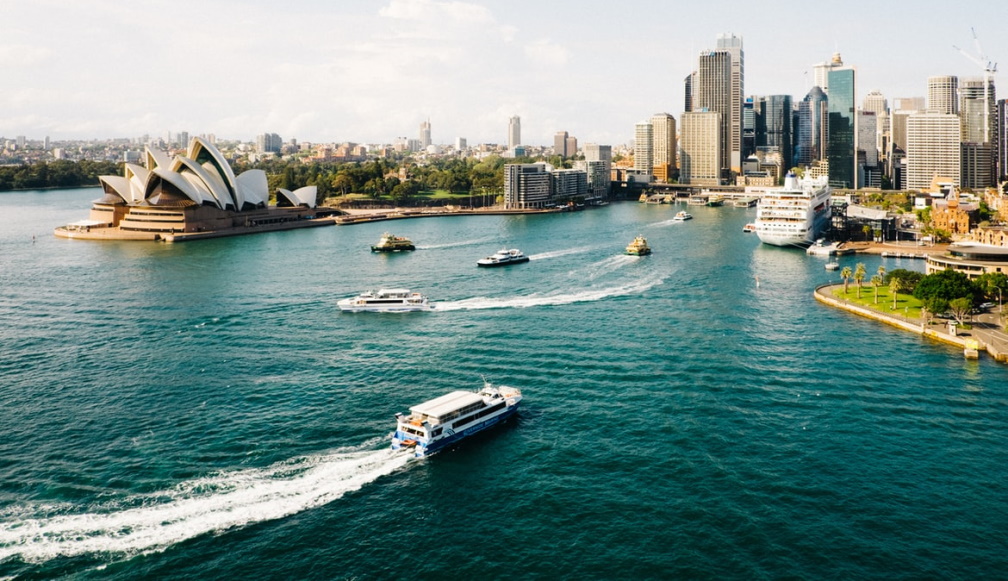
Australia Day once again delivered a familiar national split — one Australia enjoying a long summer day of barbecues, beach swims, backyard cricket and fireworks, and another Australia marching, chanting and protesting in city streets. The contrast was stark, emotional and, for many, uncomfortable. It has become one of the defining features of January 26: a day that tries to be both a celebration of nationhood and a reckoning with history.
This year was no different. If anything, the divide felt sharper.
Across suburbs, regional towns and coastal communities, families gathered early, eskies packed, flags draped over shoulders, kids racing barefoot across parks. Citizenship ceremonies welcomed thousands of new Australians, local councils hosted community breakfasts, surf clubs ran sausage sizzles, and radio stations played the familiar soundtrack of summer. For many Australians, the day still represents gratitude — for safety, opportunity, community and a way of life that feels worth defending.
Yet, in capital cities and inner-urban centres, another Australia gathered. Protest marches swelled. Placards read “Change the Date”, “Always Was, Always Will Be”, and “No Pride in Genocide”. Speeches were raw, angry and unapologetic. Police lines separated marchers from onlookers. Social media filled with arguments, condemnations and declarations of allegiance — often directed at people who never met, never listened and never agreed.
So why does Australia Day now unfold like this? And what does it say about who we are becoming?
Two Realities, One Date
At the heart of the tension is a simple truth: January 26 does not mean the same thing to all Australians.
For many non-Indigenous Australians, Australia Day marks the birth of the modern nation. It is associated with democratic institutions, prosperity, social mobility and the belief that Australia, while imperfect, has offered generations a better life than the one they left behind. Migrants in particular often embrace the day enthusiastically — seeing it as a moment to affirm belonging rather than exclusion.
For many Indigenous Australians, however, January 26 marks loss. It symbolises the beginning of dispossession, violence, cultural destruction and policies that echoed for generations. While historical nuance exists — the First Fleet arrived in 1788, not 26 January — symbolism matters more than calendars. For those who feel history has never been adequately acknowledged or repaired, celebrating on this date feels like salt in an open wound.
These two realities coexist, but they rarely meet.
Why the Anger Feels Louder
Protest anger has intensified in recent years, and there are several reasons why.
First, unresolved grievances remain unresolved. Closing the Gap targets continue to fall short in health, incarceration, life expectancy and education outcomes. Many Indigenous Australians feel that apologies and acknowledgements have not translated into material change. Symbolic recognition, without structural improvement, breeds frustration rather than reconciliation.
Second, the failure of the Voice referendum still reverberates. For supporters, the referendum’s defeat felt like a rejection not just of a proposal, but of listening itself. Australia Day became a lightning rod for that disappointment. The message heard by some was not “we disagree on constitutional design”, but “we don’t want to hear you”.
Third, social media has changed protest culture. Anger now travels faster than explanation. Outrage is rewarded with visibility, and moderate voices — Indigenous and non-Indigenous alike — are often drowned out. What might once have been a march becomes, online, a viral confrontation.
And finally, identity politics has hardened positions. Australia Day is no longer simply a public holiday debate; it has become a proxy war over history, power, guilt, pride and national identity. Once an issue reaches that level, compromise becomes politically dangerous and emotionally costly.
Why Millions Still Celebrate
Yet it would be a mistake to assume that Australians enjoying Australia Day are ignorant, hostile or uncaring.
Many Australians are capable of holding two ideas at once: pride in the country as it exists today, and recognition that its history includes injustice. For them, Australia Day is not a denial of the past but an affirmation of the present — a belief that the nation is more than its origins.
In regional Australia especially, the day remains grounded and practical. It is about neighbours, volunteers, surf lifesavers, SES crews, sporting clubs and local heroes. It is about shared experience rather than political symbolism. That culture does not vanish simply because debate intensifies elsewhere.
There is also a quiet fatigue among many Australians. Cost-of-living pressures, housing stress, rising interest rates and job insecurity have left little emotional energy for perpetual national arguments. For these Australians, Australia Day offers a rare pause — a moment to switch off, not switch sides.
A Media and Political Feedback Loop
Australia Day now sits inside a media cycle that thrives on division.
Politicians are incentivised to take hard positions, knowing nuance rarely survives a headline. Media outlets chase conflict because conflict attracts attention. Social platforms amplify extremes while burying moderation. The result is a feedback loop where Australians see the loudest versions of each other, not the most common.
Lost in this cycle are the many Indigenous Australians who do not march but still feel conflicted, and the many non-Indigenous Australians who would support change but resent being labelled immoral for enjoying a public holiday.
The country ends up arguing past itself.
Where to From Here?
Australia Day is unlikely to return to a single, unified meaning anytime soon. Changing the date may eventually happen, or it may not — but even that will not automatically resolve deeper issues of recognition, inequality and trust.
What is clear is this: Australia cannot reconcile by shouting. Nor can it build unity by pretending the divide does not exist.
Real progress will not come from forcing Australians to feel shame, nor from dismissing Indigenous pain as “political”. It will come from practical outcomes — safer communities, better health, better education, and genuine economic opportunity — alongside honest historical acknowledgment.
Australia Day, in its current form, exposes a country still negotiating its identity. That negotiation is messy, emotional and, at times, uncomfortable. But it is also a sign of a society still engaged in defining itself — not one that has given up.
A Day That Reflects Us All
This Australia Day, the beaches were full, the streets were loud, and the nation was divided — yet still functioning. That, in itself, says something important.
Australia is not breaking apart. It is arguing with itself, imperfectly and noisily, about what kind of country it wants to be.
Whether January 26 ultimately becomes a day of celebration, reflection, or something redefined entirely, the challenge remains the same: to build a nation confident enough to face its history, compassionate enough to hear pain, and secure enough to allow pride without exclusion.
Until then, Australia Day will continue to look like it did this year — joy and anger side by side, each telling a story the country has not yet learned how to reconcile.