Nationals rebel stirs the pot but Littleproud is dug in
- Written by: Michelle Grattan, Professorial Fellow, University of Canberra
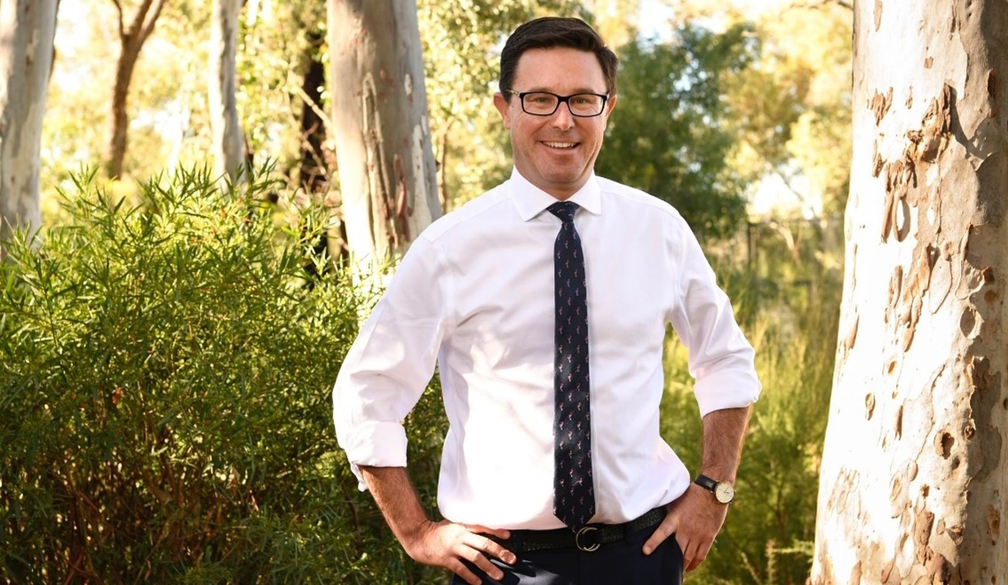
A little-known Nationals MP, Queenslander Colin Boyce, who declared on Wednesday he will move for a spill of the party’s leadership, has tossed a grenade but David Littleproud appears firmly dug in.
Littleproud’s breaking of the Coalition has had a profound impact on conservative politics, further destabilising the Liberals and their leader Sussan Ley. It has divided his own party.
But as of late Wednesday no other challengers were in sight, and there did not seem to be support for a spill.
Boyce announced his move – to be made the Nationals’ Monday meeting – on Sky News, saying he wanted to give colleagues “an option”.
“The reality is, if they follow the course they’re on now, they are going over the political cliff,” he said.
“The National Party is committing political suicide by removing itself from the Coalition.”
Boyce – close to Barnaby Joyce, now ensconced in One Nation – flagged he would run for leader, but he won’t get the chance if he can’t get support for the spill motion.
Littleproud said in a statement,
I stand by my record as Leader of The Nationals and what our Party Room has achieved.
The Nationals held all of its House of Representatives seats at the last election.
The Nationals also fought to keep important policies, including the Regional Australia Future Fund, tougher action on supermarkets with divestiture powers, Universal Service Obligation reform to ensure better mobile phone coverage in regional areas, and dumping net zero while keeping all energy options on the table, including nuclear.
More recently, The Nationals opposed Labor’s hate speech laws, due to the unknown slippery slope of stopping freedom of speech.
Littleproud is protected by two factors: his leadership style, and the lack of an alternative who is both willing and viable.
Littleproud has gone to great lengths to protect his back by tying his colleagues into every decision. A main way he’s done this is by taking every single thing to his party room. Last week the Nationals had numerous meetings, with every incremental development going back to them.
Matt Canavan, the strongest and hardest-line voice in the party who ran against Littleproud after the election, is backing the leader.
In last week’s battle over the anti-hate legislation, Canavan got his way when the Nationals voted against the bill in the Senate. He has no reason to want Littleproud out.
Canavan said on Wednesday: “I’m proud of the team and what it did last week.” He saw “no reason to change leader”, although he could not understand why the Coalition needed to split – why the two parties could not have had different views and move on.
Former leader Michael McCormack voted for that legislation in the House of Representatives, so that would cruel any chance of a return for him.
He told the Canberra Times[1], “the leadership’s not on offer. The leadership is the gift of the party room, and the party room is very supportive of David.”
Senator Bridget McKenzie said, “this spill motion has come out of the blue. I don’t believe the party room has changed since last week’s events.”
Given how disruptive a force Littleproud is, there would be logic for the Nationals to install current deputy Kevin Hogan, which could facilitate getting the Coalition back together.
Late in last week’s crisis, Hogan had talks with a senior Liberal about a peace plan. It involved:
-
the senators who had breached shadow cabinet solidarity resigning
-
their resignations not being accepted
-
a formal acknowledgement this was an exception and in future shadow cabinet decisions, solidarity would prevail, and
-
having future blunt conversations between the leaderships of the two parties to iron out problems.
Needless to say, no peace was made.
Hogan ruled out any tilt at the leadership. “David has my overwhelming support and he has the overwhelming support of the [Nationals] room”, he said.
Meanwhile Ley wrote on Tuesday to Littleproud, suggesting a meeting.
She explained in a message to her Liberal shadow ministry colleagues, sent on Wednesday, “I wrote to David Littleproud proposing that we meet along with other senior party officials, without any preconditions and as a priority, ahead of Parliament’s return.
"I reminded him that as the leaders of the Liberal and National parties, we are the stewards of two great movements that exist to serve the Australian people and that maintaining a strong and functioning relationship between our two parties is in the national interest — whether in formal Coalition or not.
"David’s team have just advised mine that his focus is the spill motion he now faces and he is therefore unavailable to meet until after that spill is considered.”
That sounds like a fob off rather than a genuine excuse.
References
- ^ Canberra Times (www.canberratimes.com.au)