Biden - Republicans are yet again wasting time with extreme policies
- Written by: The Times
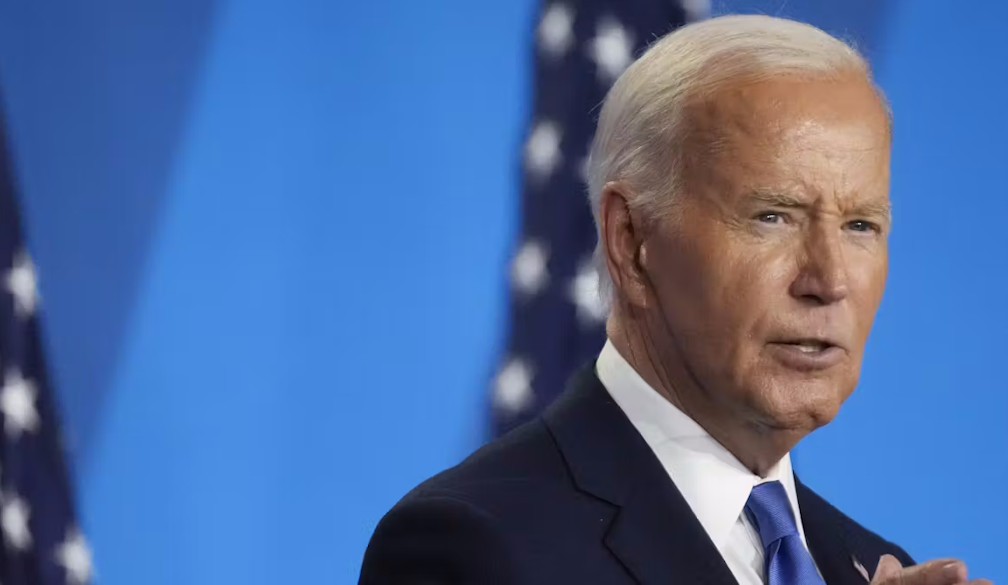
President Biden has issued a strongly worded statement accusing the party led by Donald Trump of "abdicating their responsibility to the American people."
President Biden statement said,
"Instead of working across the aisle to do their most basic job and deliver for the American people by keeping the government open and providing emergency funding for disasters, House Republicans are yet again wasting time with extreme policies and a potentially harmful long-term continuing resolution (CR).
The House Republicans’ long-term CR abdicates their responsibility to the American people. It would erode our national defense, impede our efforts to outcompete China, fail our veterans and seniors, abandon communities struck by disasters, and undermine programs that support small businesses while making wealthy tax cheats pay what they owe. Finally, it would move us closer to devastating across-the-board cuts to education and Head Start programs; our veterans, the military, and border agents; food assistance for mothers, babies, and low-income families; food and air safety; and more.
House Republicans’ long-term CR fails to provide necessary resources for our defense, our veterans, and our seniors. Both the Administration and bipartisan appropriators in the Senate have put forward FY25 proposals that address pressing needs for the Department of Defense (DoD), Veterans Affairs (VA), Social Security Administration (SSA), and other federal agencies that would have insufficient funds if kept at their current FY24 levels. For example:
- Operating under a six-month CR erodes the U.S. military advantage, undermines the United States in our competition with China, degrades readiness, and fails to support our troops. Under a CR for an extended period, DoD lacks the authority to undertake new start efforts or production rate increases for investment programs, which are critical to our innovation and modernization goals. It signals to our allies and adversaries that the United States is not committed to our National Security priorities.
- Absent fully addressing a shortfall in funding for the Department of Veterans Affairs (VA) Health Care, VA would be forced to make difficult tradeoffs in its efforts to preserve quality veteran care. VA would need to undertake reductions in overall staffing levels that may impact access to care for veterans across clinical programs. Veteran experience may be impacted across many different functional areas, including medical care scheduling and coordination, connecting homeless veterans to permanent housing, caregiver support, and other programs. VA may need to scale-back outreach efforts to veterans, which VA has been conducting at unprecedented levels to inform veterans of new benefits and health care enrollment opportunities under the bipartisan PACT Act.
- Agencies like the Social Security Administration would be required to operate at deeply insufficient levels. For example, SSA would be at its lowest staffing levels in more than 50 years, likely requiring it to reduce the hours field offices are open and extending wait times for seniors and people with disabilities.
House Republicans’ long-term CR would abandon communities impacted by disasters. A six-month CR would mean that communities waiting on much-needed disaster assistance would need to keep waiting, months after the President has requested supplemental funding to help them. It would hurt small businesses and families trying to recover from recent disasters.
For example:
- The Small Business Administration’s Disaster Loan Program is likely to exhaust available assistance funding early in the new fiscal year, crippling the agency’s ability to provide much-needed help to small businesses working to rebuild after recent disasters, including Hurricanes Beryl and Debby.
- A delay would also prevent numerous communities impacted by disasters in over 20 states and territories declared in calendar years 2023 and 2024 from receiving Community Development Block Grant-Disaster Recovery funding, which is urgently needed to address housing, economic development and other long-term recovery needs.
- The cost to fix highways and bridges that have been damaged by disasters in 38 States and three territories currently exceeds available Federal Highway Administration-Emergency Relief funds. A six-month appropriations delay would delay completion of many of these critical projects. Supplemental appropriations are necessary to address this backlog.
House Republicans’ long-term CR would undermine programs that support small businesses and make wealthy tax cheats pay what they owe. House Republicans’ CR would make it harder for the IRS to continue its efforts using Inflation Reduction Act funding to ensure that the wealthy pay the taxes they owe. It would also hurt small businesses by continuing cuts to the State Small Business Credit Initiative that would prevent states across the country from receiving funds that provide capital and technical assistance to small businesses and entrepreneurs nationwide.
House Republicans’ long-term CR puts us closer to across-the-board cuts to programs Americans count on. A six-month CR would last until the end of March—only 30 days before the sequester deadline from the Fiscal Responsibility Act that would trigger across-the-board cuts if full-year bills are not passed. That short window next year would create a much higher risk that those cuts go into effect, resulting in devastating cuts to education and Head Start programs; our veterans, the military, and border agents; food assistance for mothers, babies, and low-income families; food and air safety; and more."