Should Australia Tighten Disease Control Rules in Early Learning Centres?
- Written by: The Times
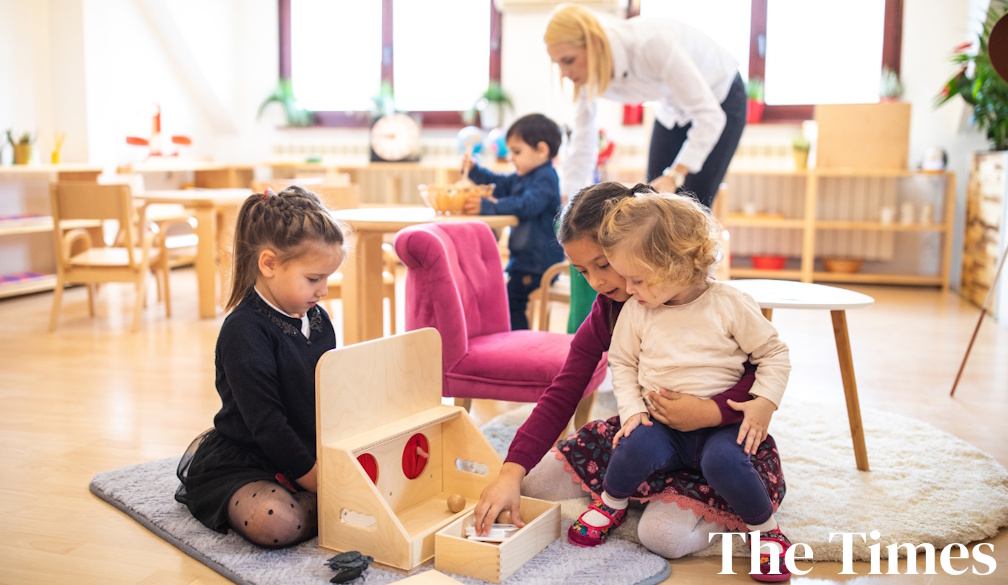
Every winter, a familiar cycle begins in Australian households. A child develops a runny nose or cough, a few days later parents become ill, then grandparents, work colleagues and classmates follow. What starts as one sick child can quickly ripple through families, workplaces and communities.
Early learning centres provide an essential service for hundreds of thousands of Australian families. They allow parents to work, support children's development and provide an important social environment. But they also present one of the easiest environments for common infectious illnesses to spread.
Young children naturally have close physical contact. They share toys, tables, play equipment and learning spaces. Many are still developing good hygiene habits, and some are too young to reliably cover coughs, wash their hands thoroughly or recognise when they are becoming unwell.
The result is predictable. Viruses such as the common cold, influenza, RSV and gastroenteritis frequently circulate through child care settings. While many children recover quickly, the consequences often extend far beyond the centre itself.
Parents may need time away from work. Grandparents providing care can become infected. Healthcare appointments increase. Businesses lose productivity as employees stay home to care for sick children or recover themselves. Across Australia, the economic cost of seasonal illness runs into billions of dollars each year through lost productivity and healthcare expenses.
One of the most difficult challenges is attendance by children who are already unwell.
Many families face genuine pressure. Taking time off work may mean lost income, limited leave balances or concern about job security. For some, there are few alternatives when a child wakes with a fever or persistent cough.
However, those individual pressures can have wider consequences when infectious illnesses are introduced into a room full of young children.
This raises an important policy question: should Australia strengthen disease-control measures in early learning settings?
Possible reforms could include:
- More consistent illness screening when children arrive.
- Temperature checks where appropriate during periods of elevated infectious disease.
- Clearer national guidance on symptoms requiring temporary exclusion.
- Greater support for educators making difficult decisions about refusing entry to obviously unwell children.
- Improved communication with families about when children should remain at home.
- Consideration of stronger penalties or compliance measures where families repeatedly disregard illness policies.
Such measures would not eliminate seasonal viruses. Many infections are contagious before symptoms become obvious, making complete prevention impossible.
Nevertheless, public health experts generally agree that excluding children with significant symptoms, encouraging hand hygiene, cleaning shared surfaces and improving ventilation can reduce transmission of many common infectious diseases.
The discussion should not become one of blaming parents. Most are trying to balance work responsibilities with caring for their children under considerable financial pressure.
Instead, the challenge is creating policies that support both families and public health. Employers may also have a role by providing greater flexibility when workers need to care for sick children, reducing the incentive to send obviously unwell children into group care.
Early learning centres are among Australia's most valuable community services, but they also sit on the front line of seasonal disease transmission. As governments continue searching for ways to improve workforce participation and productivity, strengthening infection-control practices in child care deserves serious consideration.
Keeping one infectious child at home for a few days may inconvenience one family. Preventing an outbreak that affects dozens of families may benefit the wider community.