Australia’s Social Media Ban: Has It Achieved What It Set Out To Do?
- Written by: The Times
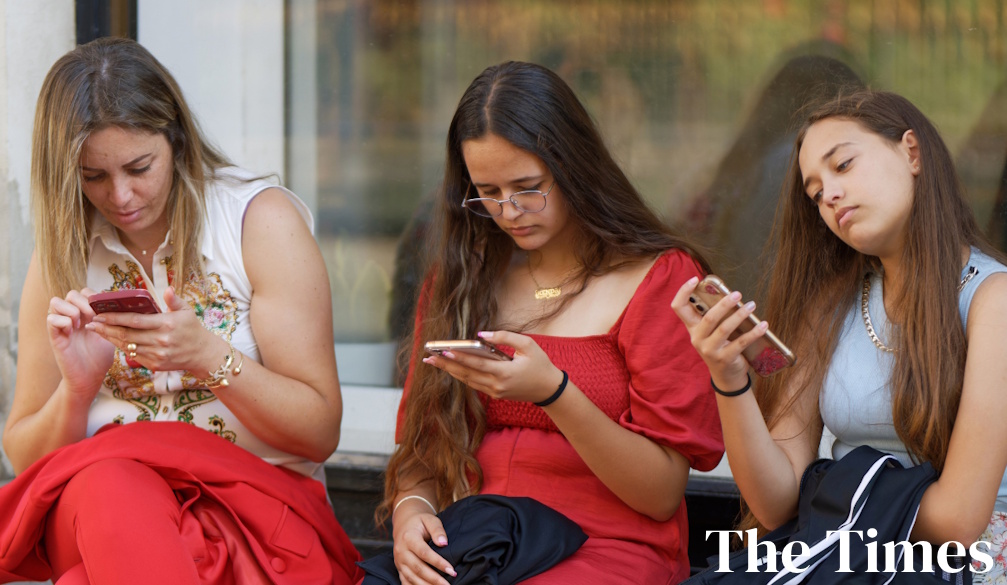
When Australia introduced its social media ban for children under 16, the aim was simple enough to understand.
The Government wanted to protect young Australians from cyberbullying, harmful content, online predators, addictive design and the mental health pressures increasingly associated with social media.
It was one of the most ambitious internet safety laws attempted anywhere in the world.
The ban, which came into effect on 10 December 2025, requires age-restricted social media platforms to take reasonable steps to prevent Australians under 16 from creating or keeping accounts. It followed amendments to the Online Safety Act passed in November 2024.
On paper, the policy appeared strong.
In practice, the results are more complicated.
The eSafety Commissioner reported that age-restricted platforms removed access to 4.7 million under-16 accounts by mid-December 2025. That suggests the law did have an immediate effect.
However, more recent testing has raised doubts about how effective the system is.
A study reported this week found that test users declaring themselves to be 16 were generally not asked to provide proof of age when creating accounts on major platforms. Reuters reported that, in a 50-account test, only one platform enforced age verification.
That is the weakness of age-based internet regulation.
Determined teenagers can often find ways around digital barriers. They can use false birth dates, older siblings’ accounts, parents’ devices, shared logins or virtual private networks. Some may simply move to platforms less visible to parents and regulators.
That does not mean the law has no value.
If the ban reduces underage exposure, forces platforms to accept responsibility and gives parents a clearer boundary, it may still achieve part of its purpose. But it also shows that a legal ban cannot, by itself, fix the social problems connected to social media.
Cyberbullying is one example.
Bullying did not begin with smartphones. It existed in schools, neighbourhoods and sporting clubs long before Instagram, Snapchat, TikTok or YouTube became part of daily life.
Social media changed the reach and speed of bullying. It allowed humiliation to be shared instantly and privately, often beyond the sight of parents and teachers. But the underlying behaviour remains human.
That is why education and supervision matter.
Children need to be taught how to behave online, how to protect their privacy, how to recognise manipulation, how to report abuse and how to understand that digital conduct has real consequences.
Parents need practical tools and better information. Schools need resources to teach digital citizenship. Platforms need stronger moderation and faster response systems when bullying, grooming or harmful content is reported.
A ban may reduce access. It does not automatically create wisdom.
The policy has also affected adults.
Many websites have responded to the broader age-assurance environment by adding age acknowledgement pages, pop-up declarations or verification steps. Some users now encounter more prompts before accessing content that previously opened immediately.
For businesses, this has meant additional compliance work. For adults, it has meant more friction online.
Some will regard that as a reasonable inconvenience if children are better protected. Others will see it as another example of regulation making the internet clumsier without fully solving the problem it set out to address.
The most likely answer is that Australia’s social media ban has achieved something, but not everything.
It has changed behaviour. It has forced platforms to act. It has given parents and regulators a stronger position.
But children have found ways around it, enforcement remains difficult, and the deeper issues of bullying, harmful content and digital behaviour remain.
The lesson is clear.
Protecting children online cannot be left to legislation alone. It requires a combination of sensible regulation, platform accountability, parental involvement, school education and better monitoring of harmful content.
Australia’s social media ban may be a useful tool.
But it is not, and was never likely to be, a complete solution.