Washington's Decisions, Australia's Bill: The Hidden Cost of US Tariffs
- Written by: The Times
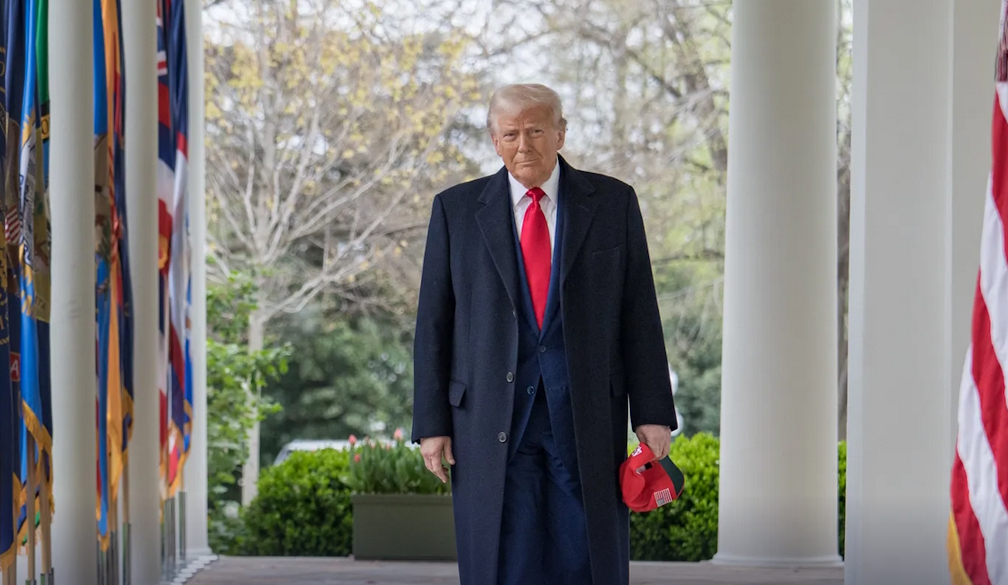
For many Australians, trade tariffs imposed by the United States may seem like a distant issue affecting foreign manufacturers and politicians in Washington. Yet the reality is that decisions made by the world's largest economy often ripple across international markets and eventually find their way into Australian businesses, households and investment decisions.
The latest round of United States tariff measures has once again highlighted how interconnected the global economy has become.
While Australia remains a close ally of the United States, Australian exporters have not been entirely immune from the tariffs imposed on a range of imported goods. Australian steel, aluminium and other products have faced additional barriers entering the American market, while uncertainty continues to surround several industries that rely heavily on international trade.
For Australian exporters, tariffs can make products less competitive overseas. When costs increase, buyers often look elsewhere or reduce orders. That may not only affect large corporations but also the thousands of workers, contractors and small businesses that support Australia's export industries.
More Than An Export Story
The effects extend beyond exporters.
Modern supply chains are global. Raw materials may come from one country, be processed in another and sold in a third. When tariffs are imposed at any point in that chain, costs can rise throughout the system.
Shipping companies, manufacturers, wholesalers and retailers all face pressure when international trade becomes more expensive or complicated.
Eventually, those costs often find their way to consumers.
Australians have become familiar with supply chain disruptions in recent years. The COVID-19 pandemic demonstrated how quickly international events can affect the availability and price of goods on local shelves.
Trade barriers can have a similar effect, particularly when they involve major economies such as the United States and China.
Business Confidence Matters
One of the less visible consequences of tariff disputes is their effect on business confidence.
Companies considering expansion, new hiring, equipment purchases or international investment often prefer stable trading conditions. When uncertainty increases, many businesses delay decisions until they have a clearer understanding of future costs and market access.
Those delays can slow economic activity.
A manufacturer uncertain about export demand may postpone a factory upgrade. A transport company may defer purchasing new vehicles. A mining contractor may delay recruiting additional staff.
Each individual decision may appear small, but collectively they can influence economic growth.
Australia's Exposure To Global Markets
Australia is particularly exposed to international developments because of its export-oriented economy.
The nation relies heavily on selling resources, agricultural products, services and manufactured goods to overseas markets. When global trade slows, Australia often feels the effects through reduced demand, weaker commodity prices or lower business investment.
The situation is not unique to Australia. Many trading nations face similar challenges whenever major economies engage in tariff disputes or trade restrictions.
However, Australia's geographic distance and dependence on international shipping can amplify some of the effects.
The Consumer Impact
Most Australians are not monitoring tariff schedules or trade negotiations. What they notice are prices.
Higher transport costs, increased manufacturing expenses and supply chain disruptions can all contribute to inflationary pressures.
When families are already managing rising mortgage repayments, rents, insurance premiums, electricity bills and grocery costs, any additional pressure on prices is unwelcome.
The impact may not always be immediate or obvious, but global trade policies can eventually influence the cost of everyday goods.
Looking Ahead
Supporters of tariffs argue they protect domestic industries and jobs. Critics contend they increase costs, reduce competition and ultimately hurt consumers.
Regardless of which view prevails, one fact remains clear: Australia's economy does not operate in isolation.
Events occurring in Washington, Beijing, Brussels or London can affect businesses in Brisbane, Perth, Melbourne and regional Australia.
The lesson for Australian businesses is simple. Global events matter. Trade policy matters. Supply chains matter.
"And while tariffs may be announced thousands of kilometres away, the bill often arrives much closer to home."
As Australians continue to navigate cost-of-living pressures and economic uncertainty, international trade decisions remain another reminder that in a connected world, few economic events stay confined to national borders.