How Did Spirit Airlines Fail — and What Should Australia Learn From It?
- Written by: The Times
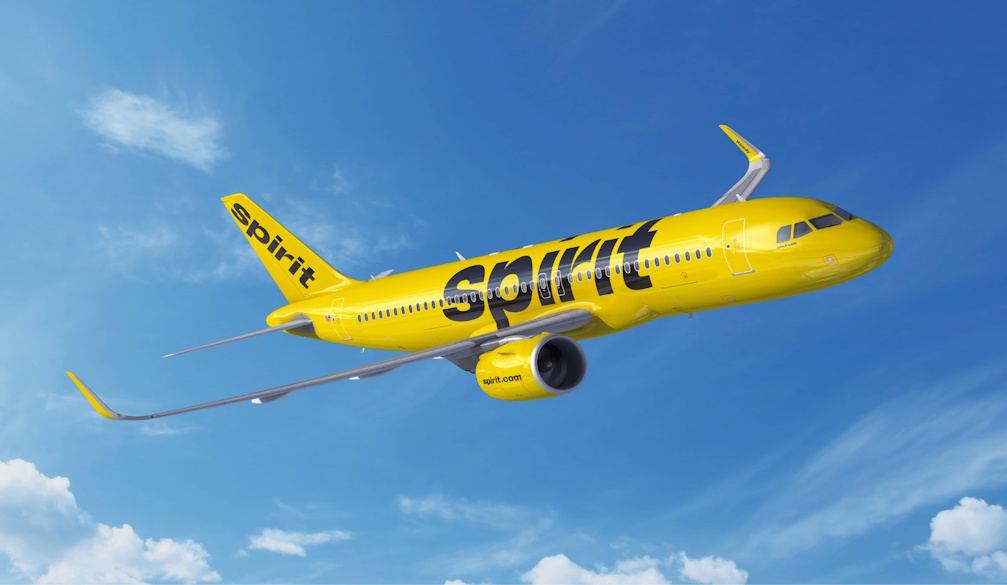
The collapse of Spirit Airlines did not happen overnight. It was the result of a business model pushed to its limits, colliding with rising costs, shifting consumer expectations, and a post-pandemic aviation environment that punished inflexibility. While Spirit operated in the United States, the implications of its failure extend well beyond American borders. For Australia’s aviation sector — and its regulators — there are clear warning signs worth examining.
At its core, Spirit was built on the ultra low-cost carrier (ULCC) model. Strip out everything that is not essential, charge separately for every add-on, and drive the lowest possible base fare. For years, that model worked. It stimulated demand, filled planes, and carved out a profitable niche among price-sensitive travellers.
But the same model that delivered growth also created structural fragility.
The first pressure point was cost inflation. Airlines operate on thin margins even in stable conditions. When fuel prices rise, labour costs increase, and maintenance expenses climb, there is limited room to absorb those shocks — especially for a carrier whose brand is built on being the cheapest option in the market. Spirit had little pricing power. Increasing fares risked undermining its value proposition; holding prices meant absorbing losses.
The second issue was revenue quality. Spirit relied heavily on ancillary income — baggage fees, seat selection, onboard purchases — to make its model viable. This works when passenger volumes are high and customers accept the trade-off. However, in a more competitive or uncertain environment, passengers become more selective. The willingness to tolerate fees declines, particularly when full-service or hybrid carriers narrow the price gap.
At the same time, operational reliability became a critical weakness. Budget airlines operate tight schedules to maximise aircraft utilisation. There is little slack in the system. When disruptions occur — weather, staffing shortages, technical issues — delays cascade quickly. Spirit experienced periods of significant operational disruption, which damaged its reputation and eroded customer trust. In aviation, reliability is not a luxury; it is fundamental to repeat business.
Competitive dynamics also shifted. Larger airlines adapted. They introduced “basic economy” fares that directly targeted the low-cost segment while leveraging their broader networks, loyalty programs, and operational resilience. This blurred the distinction between budget and full-service carriers. Spirit found itself squeezed — no longer uniquely cheap, but still perceived as lower quality.
Strategic decisions compounded the problem. The proposed merger with JetBlue Airways was positioned as a path to scale and stability. Instead, it became entangled in regulatory opposition, notably from the United States Department of Justice, which argued it would reduce competition. When the deal ultimately collapsed, Spirit was left exposed — weakened, uncertain, and without the strategic reset it had been counting on.
Debt and liquidity pressures followed. Like many airlines, Spirit had taken on additional debt during the pandemic to survive the collapse in travel demand. Servicing that debt in a higher interest rate environment added another layer of strain. The balance sheet, once manageable, became a constraint.
The result was a convergence of factors: rising costs, constrained pricing, operational challenges, strategic setbacks, and financial pressure. None of these alone would necessarily have been fatal. Together, they proved unsustainable.
The question for Australia is whether similar dynamics could emerge here.
Australia’s aviation market is structurally different. It is smaller, geographically unique, and more concentrated. The domestic market is dominated by a handful of carriers, most notably Qantas and Virgin Australia, with low-cost competition provided by Jetstar. Unlike the United States, where multiple large carriers compete across dense route networks, Australia’s market has fewer players and longer distances between major centres.
That concentration provides a degree of stability, but it also creates its own risks.
The first lesson is the danger of over-reliance on a single positioning strategy. Ultra low-cost models can work in Australia — Jetstar is evidence of that — but only when supported by scale, operational discipline, and, crucially, a broader network strategy. Jetstar benefits from its integration with the Qantas Group, which provides financial backing, fleet flexibility, and brand alignment. A standalone ULCC without that support would face a far more challenging environment.
The second lesson is cost sensitivity. Australian airlines are already exposed to high input costs — fuel, labour, and airport charges are all significant. If these continue to rise, carriers will face the same dilemma as Spirit: pass costs on and risk demand, or absorb them and erode margins. The balance is delicate, particularly in a market where consumers are highly price-aware.
Operational reliability is another area of concern. Australian travellers have experienced significant disruption in recent years, particularly in the post-pandemic recovery phase. Delays, cancellations, and staffing shortages have all affected confidence. Spirit’s experience shows how quickly operational issues can translate into reputational damage and lost market share.
There is also a broader question about competition. In the United States, regulators intervened to prevent consolidation, prioritising competition over the potential stabilisation of a weaker carrier. In Australia, the balance between competition and viability is equally important. Too little competition can lead to higher prices and reduced service levels. Too much fragmentation in a small market, however, can weaken carriers and reduce overall stability.
For regulators, the key takeaway is vigilance rather than alarm. There is no immediate parallel suggesting an Australian airline is on the brink of a Spirit-style collapse. However, the underlying pressures — cost inflation, demand sensitivity, operational complexity, and strategic uncertainty — are present.
Regulators should be particularly attentive to financial resilience. Airlines are capital-intensive businesses with limited tolerance for sustained losses. Monitoring balance sheets, debt levels, and liquidity positions is essential. Early warning signs often appear in financial metrics before they become operational crises.
There is also a role in ensuring transparency and consumer protection. When airlines face pressure, there can be a temptation to cut corners — on service, on communication, or on contingency planning. Clear standards and enforcement help maintain trust in the system.
Finally, infrastructure and policy settings matter. Airport costs, slot allocation, and regulatory frameworks all influence the economics of aviation. Ensuring these settings support both competition and sustainability is critical.
The failure of Spirit Airlines is not simply a story about one company. It is a case study in how a business model can become vulnerable when external conditions change. For Australia, it is a reminder that aviation is inherently fragile — dependent on factors that are often outside the control of any single airline.
The lesson is not that low-cost models are flawed, or that consolidation should always be resisted. It is that resilience matters. Airlines must be able to absorb shocks, adapt to changing conditions, and maintain operational reliability even under pressure.
For Australian travellers, the stakes are clear. Aviation is not just a convenience; it is a critical part of national connectivity. Ensuring the system remains stable, competitive, and responsive is in the interest of everyone — from passengers to policymakers.
Spirit’s story is a warning, but also an opportunity: to recognise the pressures early, and to act before they become unmanageable.