Teens discover books on social media. What will the under-16s ban do to their reading?
- Written by: Bec Kavanagh, Senior Tutor in Publishing & Creative Writing, The University of Melbourne
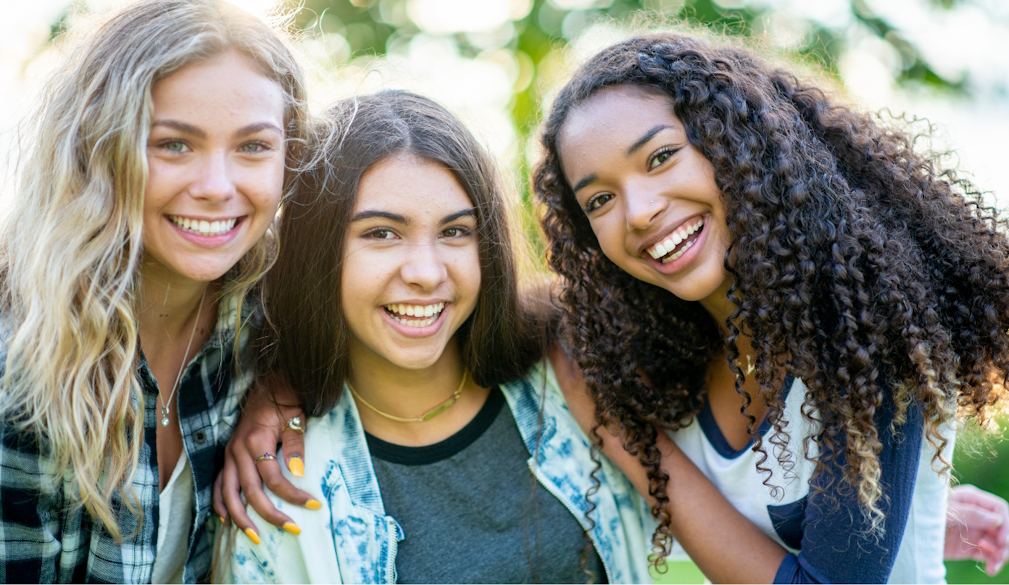
In a video address to the nation, timed with Australia’s world-first teen social media ban, Prime Minister Anthony Albanese encouraged under-16-year-olds newly unable to access social media to “read that book[1]”.
The ban excludes anyone under 16 from a range of social media platforms, including TikTok, Instagram and YouTube.
But social media communities like #BookTok and #Bookstagram, led by teen literary influencers[2] on TikTok and Instagram respectively, significantly influence what and how much teens read. #BookTok in particular is credited with “driving sales and launching authors’ careers[3]”, as one Guardian report put it. Women and girls aged 12-25 are BookTok’s most enthusiastic users[4].
At the same time, Australians are reportedly reading less than ever before[5]: one in three Australian children are unable to read proficiently[6]. There’s a national conversation about how to get kids and teens reading more – but it seems to be missing something important.
If social media led to a teen reading boom[7], what impact might the new social media ban have on teen reading?
Teen reading communities
Social media platforms generate enthusiasm not only about what to read, but the act of reading itself.
Arielle was 15 when she credited BookTube (YouTube’s reading community) with turning her into a reader. “If you are a young person like I am, and you enjoy reading, and you don’t have access to a book club, like I don’t have, BookTubers can feed that sense of community,” she told the ABC[8] last year.
Many teen accounts have now been deactivated. The remaining ones no longer signal their age. In the first days of the ban, my attempts to find active BookTok accounts led by Australian teens found traces of conversations about where these communities will reconnect, or videos no longer clickable. One read: “ok bye guys #seeyouwhenim16”. I’d tell you about them, but they’re no longer there.
Angela Crocombe, senior buyer for Melbourne bookshop Readings runs the Teen Advisory Board[9], a group of volunteer teenagers who meet to learn more about the book industry. She tells me many teens have moved from platforms like BookTok and Bookstagram to Goodreads, which has many active teen book clubs. “Many of them use it to keep track of all the books they’ve read, as well as to find recommendations for other books they want to read.”
Other teens have found a workaround on BookTube, where under 16s can watch videos, provided they don’t log into an account. This means teens on BookTube can consume content, but not create it – and they’re cut off from their community.
Engaging with and creating for a community is the point for most teen users of book-related social media. Numbers of views are not. For example, though BookTok has popular creators, like Australian @londonapples[10] (109.6K followers) and the UK’s BookTok duo, @alifeofliterature[11] (over 259,000 followers), sisters who began creating content aged 13 and 15, specific posts[12] are more important than individuals.
It’s complicated
A 2023 UK report[13] showed BookTok or book influencers had helped around two thirds of 16-25 year olds to discover a passion for reading. Over half of them get reading recommendations from BookTok.
A post by a Queensland school[14] in 2022 shows this happens in Australia too. “We now have students sharing with us that they do not identify as readers but have seen #BookTok on TikTok and want to start reading again,” it reads. “Or, they ask for the books they have seen recommended or reviewed in the videos.”
A 2024 Australian report[15] shows only 15% of teen readers read daily. Gender plays a part. Older male teens are more likely to not read books at all, with neutral to negative feelings about reading. Younger female teens described more regular and positive reading habits.
More than 50% of Australian teens chose books[16] based on peer recommendations. (The definition of “peer” may be complicated: 16% of BookTok users aged 16-25 reported[17] making new friends through it.) And 28% of Australia teens discovered titles through browsing book social media, according to the 2024 report, with 27% following “bookfluencer” recommendations.
Camryn, age 16, is one of the teens on Readings’ 2025 Teen Advisory Board[18]. Does she believe Australia’s social media ban will affect online book communities? “Certainly,” she said.
Camryn uses Instagram, though is not an avid follower of any particular online book community. However, she appreciates “the overarching feeling of connection that stems from these platforms”. She told me “there’s something comforting about knowing that someone out there, in that big, wide world, shares the same love of literature as me”.
Reading is no longer just about sitting down with a physical book.
For young people and some adult readers, particularly fans of genre fiction, the worlds in their favourite books are extended into play. This might look like creating fan-fiction[19] or socialising with fellow fans, often in online social media spaces like BookTok, Bookstagram and BookTube (and sometimes in person[20]). Publishing researchers Kim Wilkins, Beth Driscoll and Lisa Fletcher call these spaces “genre worlds[21]”.
If we imply reading still happens within the pages of a book, are we closing a significant pathway to reading for young people who find it through these kinds of play?
“Teens who see their peers reading around them are more likely to do it themselves,” says Anna Burkey, head of Australia Reads. “Encouraging activities like book clubs, shared reading, or informal book chats make reading seem visible and easy to take part in.”
When we exclude younger teens from these online literary communities, we are taking some of them out of the social spaces that made them want to read in the first place.
What now?
It’s hard to say what impact the social media ban will have on reading habits. But we do know the behaviours and attitudes shaping the reading habits of young people are complex.
A recent report[22] shows 45% of people aged 15-25 feel lonely. Michelle Lamblin, from youth mental health organisation Orygen, told SBS[23] social media opens up a “broader social horizon” for young people, enabling them to connect based on shared interests and beyond geographical borders.
Many leading bookfluencers[24] began their journey as teens looking to connect during the 2020 Covid lockdowns.
In Australia, this extended period of isolation followed the 2019 closure[25] of the Centre for Youth Literature, Australia’s national hub for teen readers. Its activities included peer-voted literary awards (with teen judges) and a lively online discussion platform, Inside a Dog: the kind of teen-led space social media has since provided – and that teens need.
“So many young people turn to social media to feel connected to others, and online book communities are important places where teenagers can feel like they belong,” Camryn told me. However, while “stripping this away will take time to get used to”, she believes young people can make these connections in places like school, book clubs or library programs.
Erin Wamala, a secondary-school librarian who has judged some of Australia’s leading literary awards for children, owns The Kids’ Bookshop[26]. She believes now is the time for librarians and specialist booksellers to shine. “We can spend time with young people, finding out about what they are interested in, what they like and don’t like, and help them to find the perfect book,” she told me. “We can also create spaces for them to socialise with like-minded readers.”
If we expect young people to “pick up that book” in a world without access to social media, we need to let them lead the way. This means actively funding and creating alternative spaces (including online) where teens are able to celebrate and socialise around reading.
References
- ^ read that book (www.abc.net.au)
- ^ teen literary influencers (www.theguardian.com)
- ^ driving sales and launching authors’ careers (www.theguardian.com)
- ^ most enthusiastic users (www.simonandschuster.com.au)
- ^ less than ever before (www.abc.net.au)
- ^ unable to read proficiently (australiareads.org.au)
- ^ a teen reading boom (australiareads.org.au)
- ^ she told the ABC (www.abc.net.au)
- ^ Teen Advisory Board (www.readings.com.au)
- ^ @londonapples (www.tiktok.com)
- ^ @alifeofliterature (www.tiktok.com)
- ^ specific posts (theconversation.com)
- ^ UK report (australiareads.org.au)
- ^ by a Queensland school (www.stpauls.qld.edu.au)
- ^ 2024 Australian report (wordpress-ms.deakin.edu.au)
- ^ chose books (wordpress-ms.deakin.edu.au)
- ^ reported (www.publishers.org.uk)
- ^ Teen Advisory Board (www.readings.com.au)
- ^ creating fan-fiction (archiveofourown.org)
- ^ in person (www.publishersweekly.com)
- ^ genre worlds (ebookcentral.proquest.com)
- ^ recent report (www.dss.gov.au)
- ^ told SBS (www.sbs.com.au)
- ^ Many leading bookfluencers (www.theguardian.com)
- ^ 2019 closure (www.smh.com.au)
- ^ The Kids’ Bookshop (thekidsbookshop.com.au)