


Building Better Communities
- Written by: The Times
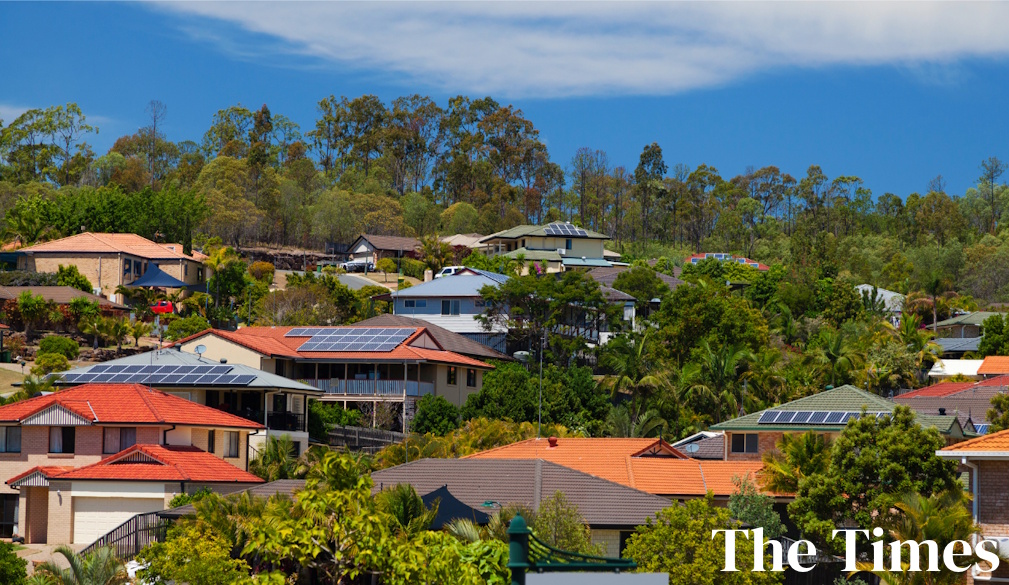
Australia has spent years debating how many homes we need.
Perhaps it is time to ask another question.
What kind of communities are we building?
Housing affordability is one of Australia's defining challenges.
Governments want more homes.
Developers need projects to remain commercially viable.
Families simply want somewhere they can afford to live.
Those objectives matter.
But there is another objective that deserves equal attention.
Building neighbourhoods that will still be admired fifty years from now.
The suburbs approved today will become the Australia our children inherit.
That makes every planning decision important.
A house is not a community
A house can be built in months.
A community takes decades.
Communities grow around schools, parks, sporting clubs, cafés, libraries, walking paths, public transport, local businesses and friendships between neighbours.
No developer can build those overnight.
They emerge gradually when thoughtful planning allows people—not just buildings—to flourish.
Streets people enjoy walking through
Think of Australia's most desirable suburbs.
People rarely praise them because the houses are close together.
They talk about tree-lined streets.
Wide footpaths.
Neighbourhood cafés.
Parks.
Character.
A feeling that the area has matured naturally over time.
Good urban design encourages people to slow down, walk, meet neighbours and enjoy where they live.
Beauty has economic value
Attractive suburbs are not simply pleasant places.
They often become valuable places.
Buyers pay premiums for streets with established trees, attractive homes, consistent setbacks and welcoming public spaces.
Beauty is not a luxury.
It is an economic asset.
Thoughtful planning protects property values as well as quality of life.
Density and design can coexist
Australia needs more housing.
Higher-density development will inevitably play an important role.
The challenge is ensuring density does not come at the expense of liveability.
Many cities around the world demonstrate that medium-density housing can be attractive, practical and highly desirable.
Good design matters more than simple numbers.
The next generation will judge us
The planners approving developments today.
The architects drawing the plans.
The builders constructing the homes.
The councils assessing applications.
The governments setting planning policy.
All are helping shape the Australia that future generations will inherit.
That responsibility deserves careful thought.
The Times Building Better Communities Charter
The Times believes every new suburb should aspire to the following principles:
• Streets designed for people as well as vehicles.
• Generous tree planting from the first stages of development.
• Parks and open spaces within easy walking distance.
• Homes that respect neighbours' privacy and sunlight.
• Architectural diversity that creates character.
• Durable building materials designed for decades of service.
• Walkable access to schools, shops and community facilities.
• Public transport planned alongside housing rather than years later.
• Local employment opportunities to reduce long daily commutes.
• Public spaces that encourage people to meet rather than merely pass each other.
These are not extravagant ideals.
They are practical principles that contribute to healthier, happier and more valuable communities.
We can do better
This campaign is not directed against developers.
Nor is it aimed at governments.
It is an invitation.
To planners.
Architects.
Builders.
Councils.
Residents.
And every Australian considering what kind of communities we hope to leave behind.
Australia has built remarkable suburbs before.
There is no reason we cannot do so again.
The challenge is remembering that our greatest developments are measured not simply by the number of houses they contain, but by the quality of life they create.
Because in the end, we are not simply building houses.
We are building the places where future generations will grow up, grow old and call home.










