David Koch's interview with Scott Morrison
- Written by: David Koch & Scott Morrison
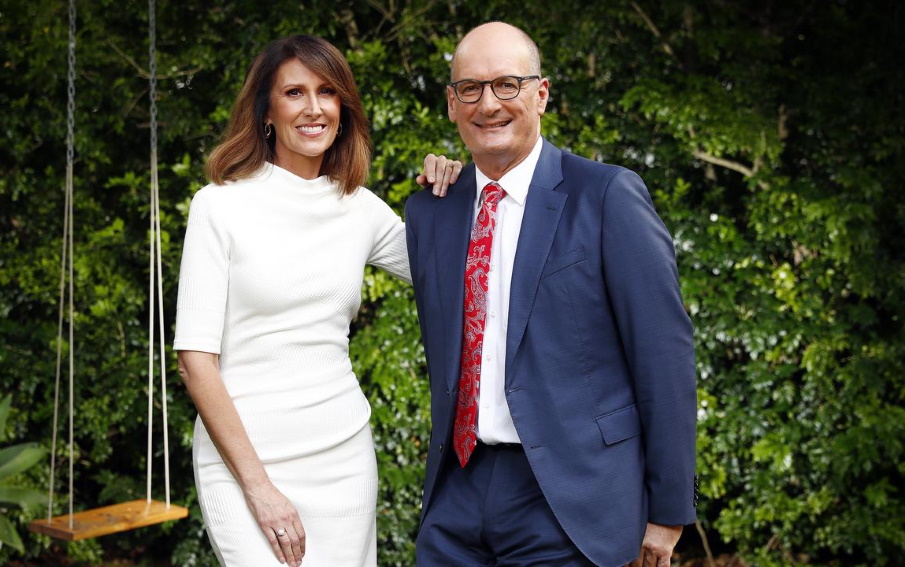
KOCH: PM already very tight rosy families managing their budgets and it's now going to get even tighter by the look of us. Can you understand that the average Aussie household is finding it tough to make ends meet at the moment?
PRIME MINISTER: I absolutely, I absolutely can, David. And this is something we've been obviously focussed on for some time to provide that immediate cost of living relief. And as we know, this has been driven by events very far away from Australia. That's why in this year's Budget, which we turned around by $100 billion in the last 12 months as a result of our economic plan, enabled us to have the petrol tax to deliver $250 to pensioners and others on those income supports. And from the 1st of July, an additional $420 in the middle income families to help them deal with that. But the bigger issues remain there, as we know. And over the last few years, this pandemic has obviously caused big impacts on supply chains, which is pushing prices up. And of course, what's happening with the war in Ukraine, also pushing up those fuel prices.
KOCH: Okay.
PRIME MINISTER: It's our economic team, the point I was going to make David, is the team that has taken us through these very difficult times, that has ensured we have got unemployment down, that is the same team to keep us strong through what is a very difficult time.
KOCH: Okay.
PRIME MINISTER: I mean, inflation, as you know, was over 7 per cent in Europe, over 8 per cent in the United States.
KOCH: Yes. Agree, agree. You've got unemployment down, but wage growth is coming through to meet those inflation rises. So it's not all just coming from overseas, did you overcook the economic stimulus and this is a sting in the tail?
PRIME MINISTER: No, I don't believe so. Then that's not borne out by what we're seeing overseas David. I mean, as I just mentioned, what we're seeing in Europe, what we're seeing in the United States, I mean, even just across the ditch in New Zealand, their inflation rate is, is, is tapping on the door 7 per cent, Canada is just just below that. And so what we are seeing here are global effects on rising cost of living. And the way to deal with that is you take your AAA credit rating, you provide the relief where we have in this Budget. We knew that that was coming and that's why we put that relief in the Budget, because Australians are just getting up after the terrible impacts of the pandemic and our economy is strengthening. We didn't want them to be held back. I mean the cash rate's at 0.1 per cent as we know, and the average discount mortgage rate is around 3.6 per cent and many people will be paying less than that. One of the things that Australians have also done, David, you know this, is that during the pandemic they've been very clever, they've been very, very wise and they've been paying down their debt and they've been preparing for this time, just as the Government has been. We've been doing exactly what householders have been doing, ensuring that I can get back up on our feet as a nation and go forward strongly despite these continued pressures. What these numbers tell us, is the economy is incredibly important and who you trust to run that economy. You don't want to add further risk to it with a Labor Party that just doesn't have the form or the record.
KOCH: But you don't want inflation to get out of control. We're at a real tipping point here at the moment, and the way to keep inflation under control is of course to increase interest rates. The Reserve Bank rarely increases rates in the election campaign, because it doesn't want to be seen to be political. Would it worry you at all if they didn't move rates up next week, as they should, to get ahead of this issue to keep inflation subdued?
PRIME MINISTER: Well, as you know, David, I've never been a commentator on what the Reserve Bank should do, particularly from the time I was Treasurer. That would be irresponsible.
KOCH: I'm not saying, I'm not saying your view on that, but (inaudible) -
PRIME MINISTER: Sorry.
KOCH: But if they did during an election campaign, would that worry you at all? Should they be completely independent -
PRIME MINISTER: Well, I respect, sorry -
KOCH: ...and do what's best for the economy?
PRIME MINISTER: I respect the independence of the Reserve Bank. Always have, always have. And they need to make the judgments they need to make in the best interests of the Australian economy. And I have no doubt they will do that. And there's a big difference, though, between what occurred back in 2007 and what's where we are now. Last time the Reserve Bank did that, the rate was 6.5 per cent. Today it's 0.1 per cent. And so I think the circumstances of the economic environment we're in now is very different and the pressures that are coming are not home-grown. They are external. And what we're seeing with that external impacts, the lag from the pandemic, the impact of the war in Europe. Of course, this is going to have an impact on the global economy. I mean, what we've seen of the recession and the pandemic was 30 times worse than what happened in the Global Financial Crisis. But we have a 50 per cent better record of what Labor tape during the GFC on getting people into jobs. And so our economic management, I mean, these numbers, they're not numbers. They're people's cost of living, what they're having to deal with. And that, of course, gives us great concern. But the way to deal with it is ensuring that we take strong economic management, which is bettering the rest of the Western world, whether it's on unemployment or whether it's on the growth of jobs I should say, whether it's getting our electricity prices down by 8 per cent, over 9 per cent down since I first became Prime Minister. Ensuring we're keeping that AAA credit rating. We have been a steady hand during the most immense pressures on our economy and it's paying dividends, but it's still tough. So now is not the time to risk it on Labor.
KOCH: Okay. Alright the other big issue that is really why are there in the polls of the electorate is climate change. Your net zero targets. You can't even agree within the Coalition whether you are going to deliver net zero at all. Some members are saying zero is dead. How can we trust you on climate change and to do something substantial?
PRIME MINISTER: Well, I disagree. I mean, it is government policy. The Liberals and the Nationals separately formed our view, came together. As Prime Minister, I brought my entire team together and the Government has a policy. It's Government policy. We took it to Glasgow net zero by 2050. Now that is something on my side of politics, which has always been difficult to achieve. But through my leadership and through Josh Frydenberg and Barnaby Joyce, we brought the whole team together. Now there's going to be one or two people whose views we've always known that haven't changed. But that doesn't change Government policy.
KOCH: What are you saying to Matt Canavan?
PRIME MINISTER: The Government's policy on net zero is very clear. Sorry.
KOCH: What are you saying to Matt Canavan? Shut the hell up?
PRIME MINISTER: Well, Matt's always had his view on this. I'm not going to convince Matt about this. He's entitled to his view. But his view is not Government policy and it's not becoming Government policy. The Government policy has been set by the Cabinet, by the entire Ministry. We have come together and we've made that historic commitment for our side of politics. My predecessors weren't able to get it there. I've been able to get the Party and my Coalition to commit to that. But more than that, we've got a plan to achieve it. Now we're investing $22 billion over the next decade in investing in things like the hydrogen hubs, like I announced in Gladstone and in Townsville and others in other parts of the country - carbon capture, use and storage. Our emissions are already down by around 20 per cent. That's multiple times more than Canada and New Zealand. It's more than Japan, the United States. We're getting it done and we're doing it, not through increasing taxes like Labor's, Labor's sneaky carbon tax which they've admitted to through Chris Bowen. We're not doing it by forcing people's choices. We're doing it by making the choices more affordable, by investing in the technology, which brings those prices down. It gets electricity prices down and maintains our heavy industries which are so critical to Australia's future.
KOCH: Alright. Prime Minister, I know you've got to go. Thanks for joining us. I think we all wish we were where you are in Far North Queensland, in Cairns. Looks a beautiful day there. Thanks for joining us.
PRIME MINISTER: It is. Thanks a lot, David. Cheers.