Why Composite Decking is Ideal for Modern Homes
- Written by: Times Media
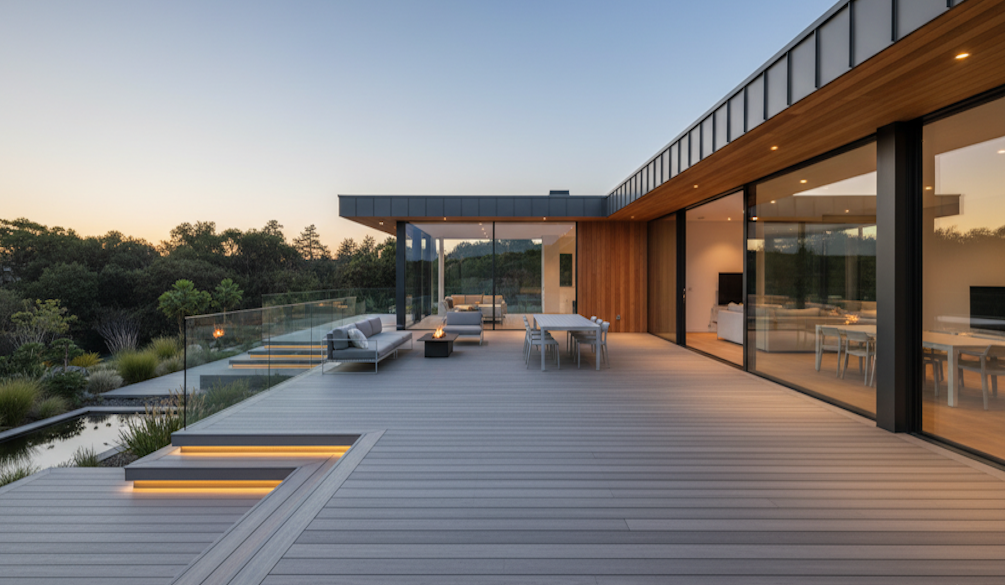
When it comes to home upgrades and extensions, there are many options available, including gardens, pools, and outdoor entertaining areas. One of the most popular additions is a deck, but the success of any addition depends on the materials chosen and how well they are installed. The right decision can enhance a property’s appearance, value, and overall lifestyle, while the wrong one can have the opposite effect.
Because of this, homeowners should carefully assess their options before committing. Key considerations include the materials used, the level of flexibility the addition offers, and the amount of maintenance required over time.
Decking remains a preferred choice for many households, providing a functional space for relaxing, entertaining, and extending everyday living outdoors. It can also be integrated with features such as gardens or pools to further elevate both usability and visual appeal.
Another reason decks are so widely chosen is the variety of materials available. This gives homeowners the freedom to select a solution that aligns with both their design preferences and practical needs.
Key Takeaways
-
Composite decking offers a refined and customisable finish, with a wide selection of colours and styles available.
-
It is lightweight, making transport and installation more straightforward than many traditional materials.
-
It requires minimal upkeep, typically needing only occasional cleaning.
-
It provides a smooth, splinter-free surface that is safe for families and pets.
-
It is durable and resistant to weather, insects, and general wear, offering long-term performance.
While having multiple material options is beneficial, it is important to remember that your choice will directly influence how the deck performs and how it contributes to your home.
For example, materials that require ongoing upkeep can still enhance your home, but only if they are consistently maintained. Similarly, materials that are difficult to install may lead to higher labour costs and require professional expertise.
This is why selecting the right decking material is essential if you want to fully enjoy the advantages a deck provides.
Traditionally, timber has been the most commonly used decking material. It offers a natural, classic appearance and was once considered a cost-effective option for building a quality deck.
However, timber also comes with limitations. Its lifespan can be affected by environmental factors, and it is prone to wear, which has led many homeowners to explore alternatives. As a result, composite decking has become increasingly popular.
Composite decking combines wood fibres, plastics, and bonding agents to create a material that delivers the look of timber while offering improved durability and reduced maintenance. Many homeowners are now turning to composite decking boards online as they recognise the long-term benefits.
Composite Decking – Key Advantages
Composite decking stands out due to several defining qualities that make it a preferred option over traditional materials.
Low maintenance requirements
Maintenance is a key factor when choosing any material. Timber decking often requires ongoing treatments such as sealing or staining to maintain its appearance.
Composite decking, by comparison, requires very little upkeep. Routine cleaning with water is usually sufficient to keep it looking presentable, making it a convenient option for busy households.
High-quality finish
In the past, achieving a specific look often required additional treatments or combining multiple materials. Timber, for example, usually needed painting or staining to reach the desired finish. Composite decking eliminates this step by offering a wide range of pre-finished colours and designs, making it easier to achieve a consistent and polished result.
Safer surface
Over time, timber decks can warp or develop splinters, creating potential safety risks, especially for children and pets.
Composite decking avoids these issues, maintaining a smooth and stable surface that remains comfortable underfoot. This makes it a safer and more reliable choice for family environments.
Simpler transport and installation
Transporting and installing traditional materials can be challenging. Timber can warp if not handled correctly, and heavier materials require extra care during delivery. Installation can also be complex due to spacing requirements for expansion.
Composite decking simplifies this process. It is lighter, easier to handle, and typically supplied in ready-to-install formats. This makes installation more efficient, particularly when working with products sourced through Sydney decking boards online.
Strength and longevity
Composite decking is designed to withstand a range of environmental conditions, including exposure to heat, moisture, and insects. It is also resistant to mould and general wear, allowing it to maintain its structure over time.
While quality can vary, many products come with long warranties, highlighting their durability. Options such as Pioneer deck boards are often selected for their performance and long-term reliability.
Bonus benefit
Cost efficiency
When considering installation, maintenance, and lifespan, composite decking can be a cost-effective solution. Reduced maintenance requirements and long-term durability mean fewer ongoing expenses compared to traditional materials.
Working with reputable Australian decking suppliers can also help ensure you are selecting a product that delivers value over time.
Conclusion
To understand how composite decking contributes to modern homes, it is important to look beyond the material itself and consider the role a deck plays in everyday living.
A well-designed deck creates a space for relaxation, entertaining, and connecting with the outdoors. Composite decking supports this by offering a durable, low-maintenance, and visually consistent solution that enhances both lifestyle and property appeal.