How to Choose Face Bricks for Australian Home Exteriors
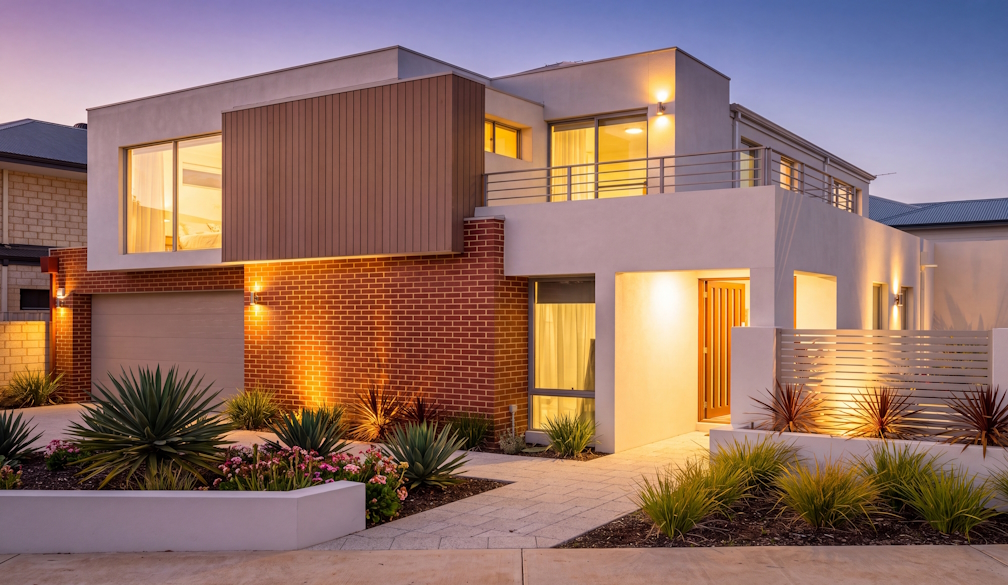
Upgrading your home exterior is one of the most rewarding investments you can make as a property owner. High land prices across the country have motivated a growing number of homeowners to upgrade their existing property exteriors rather than relocate. While there are plenty of small exterior upgrades that improve street appeal, selecting high-quality structural materials like face bricks provides a foundational and long-lasting enhancement. This approach perfectly complements fresh landscaping and lighting, instantly establishing a strong first impression. With Australian home renovation activity remaining at historically elevated levels into the mid-2020s, making informed choices about facade materials has never been more important.
Matching your facade to the Australian climate
When evaluating materials for your home exterior, the local climate must be your primary concern. Australia presents unique environmental challenges, ranging from scorching summer heatwaves in the outback to corrosive salt spray along the coast. Fortunately, masonry offers significant structural and environmental benefits that suit these diverse conditions.
One of the greatest advantages of clay masonry is its inherent energy efficiency. Thanks to their excellent thermal mass, clay bricks naturally absorb and store heat during the day. The Australian Government passive design guidelines highlight that brick features a high volumetric heat capacity of 1360 kJ/m3.K. This effectively allows the material to function as a thermal battery. By absorbing daytime heat and slowly releasing it as temperatures drop, a brick facade smooths out extreme day-to-night temperature fluctuations, keeping your home naturally cooler in summer and warmer in winter.
Balancing aesthetics and modern design trends
Finding the perfect balance between robust performance and visual charm is crucial. Modern architectural trends in Australia frequently showcase composite facades. This design strategy involves pairing highly textured or locally reclaimed face bricks with contrasting materials, such as sleek concrete, glass, or lightweight timber claddings. The prestigious annual Think Brick Awards, which includes categories like the Horbury Hunt Residential Award, regularly publicly recognises Australian architects and builders who demonstrate highly innovative uses of these materials.
If you are finalising your design plans and looking to buy Face Bricks in Australia, it is helpful to explore the vast portfolio of styles available. Contemporary options include slimline profiles, tumbled finishes, and heavily textured variations designed specifically for modern and coastal aesthetics. Choosing the right colour and texture allows you to anchor the visual weight of your home, ensuring it stands out in the neighbourhood while maintaining an enduring, timeless charm.
Key features to look for when choosing bricks
Beyond colour and architectural style, there are several structural and regulatory factors to consider before making a final decision on your exterior materials. Depending on where you live, local building codes may dictate specific performance standards to ensure the safety and longevity of your home.
Consider the following critical features when making your selection:
- Exposure Grade classification: For homes built in coastal zones, the National Construction Code strongly dictates the use of Exposure Grade bricks to prevent severe salt attack and structural erosion. A residential site sitting within one kilometre of a surf coast or 100 metres of a non-surf coast requires this highest durability class. To achieve this rating, clay masonry units must undergo rigorous durability testing to ensure they can successfully withstand 40 cycles of salt attack with less than 0.4 grams of mass loss.
- Bushfire resilience: In extreme bushfire-prone areas rated at Bushfire Attack Level Flame Zone, external walls must be built from non-combustible materials capable of achieving a minimum 30/30/30 fire resistance level. Standard clay face bricks are inherently non-combustible and provide vital structural defence against intense radiant heat fluxes of up to 40 kW/m2. Properties in high-risk zones must also ensure any gaps or mortar joints in the external walls are strictly sealed with no openings wider than three millimetres to prevent dangerous ember penetration.
- Sustainability and recycled materials: The Australian masonry industry is rapidly shifting toward sustainable and carbon-neutral production. Manufacturers are increasingly incorporating recycled crushed ceramics, widely known as grog, into their manufacturing processes. Reclaimed face bricks have also become highly sought-after, offering built-in moisture resilience while formally complying with the AS 4455.1 building standard.
- Moisture resistance: To further defend coastal home exteriors against moisture and salt degradation, industry guidelines recommend pairing low-porosity bricks with specialised mortar and marine-grade stainless steel structural fixings.
Selecting the right materials for your exterior walls is a decision that impacts both the immediate visual appeal and the long-term resilience of your property. By carefully considering your local climate, architectural style, and the structural properties of different masonry options, you can create a stunning facade that will protect and elevate your home for decades to come.