


Whiteboards: Essential Tools for Collaboration, Learning, and Productivity in Modern Spaces
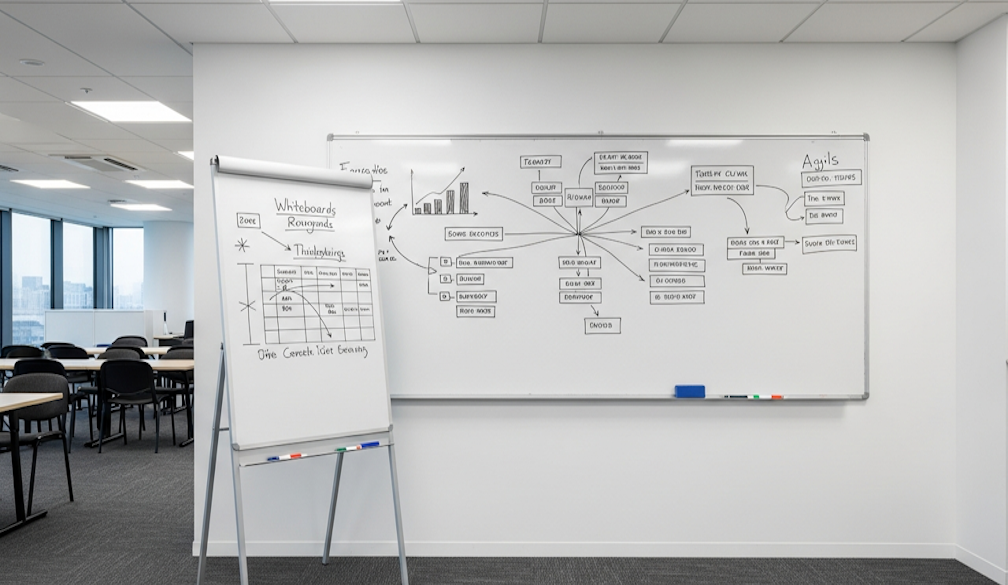
In an age where technology dominates communication and workflow, whiteboards continue to hold their ground as one of the most practical and effective tools for collaboration, learning, and idea generation. From schools and universities to corporate offices and creative studios, whiteboards provide a versatile space for visual thinking, planning, and problem-solving. Their ability to turn thoughts into visible action makes them indispensable in both professional and educational environments across Melbourne and beyond.
The Role of Whiteboards in Everyday Use
Whiteboards serve as a visual communication platform — a place where ideas can be shared, refined, and developed collaboratively. Unlike digital devices that often create a barrier between people, whiteboards encourage physical engagement and group participation. Whether it’s a team meeting, a classroom lesson, or a design brainstorming session, they bring people together around a common focal point.
In classrooms, whiteboards help teachers explain concepts clearly and interactively. In offices, they help teams plan strategies, map out workflows, and track progress. Even in homes, whiteboards are increasingly being used for planning schedules, managing family activities, and supporting remote work or study setups.
The simplicity of whiteboards is their greatest strength — they require no software, no power source, and no learning curve. You can write, erase, and rewrite instantly, making them the perfect medium for dynamic environments where ideas evolve quickly.
Why Whiteboards Remain Indispensable in Modern Workspaces
Melbourne businesses, from startups to large corporations, rely on collaboration to drive success. In these fast-paced environments, clarity and communication are key — and whiteboards deliver both. They serve as visual anchors during meetings and brainstorming sessions, ensuring everyone can follow discussions and contribute effectively.
Whiteboards also play a vital role in project management. Teams can use them to track tasks, deadlines, and deliverables in real-time, turning abstract plans into visible, actionable workflows. Agile and Lean project teams, for example, often use whiteboards as Kanban boards to visualise progress and identify bottlenecks instantly.
Another reason for their enduring appeal is flexibility. Whiteboards come in a range of sizes and formats — from compact personal boards to full-wall installations — allowing them to fit any office layout or purpose. Mobile and magnetic versions further enhance adaptability, enabling teams to move their boards between spaces as needed.
Whiteboards in Education: Enhancing Engagement and Understanding
Whiteboards have transformed the way teachers and students interact in classrooms. Their smooth, erasable surface encourages teachers to present lessons clearly, using diagrams, notes, and colour coding to reinforce key points. The ability to modify or erase content instantly makes lessons more fluid and adaptable.
For students, whiteboards provide an interactive way to engage with material. Teachers can invite students to the board to solve problems or illustrate ideas, promoting participation and collaboration. In group activities, whiteboards serve as shared workspaces where students can brainstorm, draw, and discuss concepts together.
The introduction of interactive whiteboards has taken this a step further. These smart boards integrate with digital devices, allowing multimedia presentations, video demonstrations, and real-time annotations. Melbourne’s schools and universities have widely adopted this technology to create hybrid learning experiences that combine traditional teaching with digital interactivity.
Different Types of Whiteboards Available Today
The diversity of whiteboard options ensures that every user — from educators to executives — can find one suited to their specific needs.
Porcelain (Ceramic) Whiteboards: Durable, smooth, and resistant to staining or ghosting, porcelain boards are ideal for heavy, long-term use in schools and corporate settings.
Glass Whiteboards: Sleek and modern, glass boards offer a premium writing surface that’s easy to clean and adds a touch of elegance to offices and meeting rooms.
Melamine Whiteboards: Lightweight and affordable, melamine boards are perfect for casual or short-term use, such as in home offices or small businesses.
Magnetic Whiteboards: These boards offer dual functionality — serving as a writing surface and a magnetic display space for notes, charts, or reminders.
Mobile Whiteboards: Mounted on wheels for easy mobility, these boards are ideal for dynamic workspaces where flexibility and collaboration are priorities.
Interactive Digital Whiteboards: These integrate traditional writing features with touch and digital display capabilities, allowing for smart presentations, remote collaboration, and cloud-based sharing.
Advantages of Using Whiteboards
The practical benefits of whiteboards extend far beyond their simplicity. One of their key advantages is their ability to make communication more visual and immediate. People process visual information faster, and writing on a whiteboard helps transform complex ideas into easy-to-understand visuals.
They also enhance teamwork. Because multiple people can contribute simultaneously, whiteboards create a sense of shared ownership in discussions and decisions. This collaborative approach boosts creativity and problem-solving.
Whiteboards are environmentally friendly as well. Their reusable nature reduces the need for paper-based materials like flip charts or printed meeting notes. When maintained properly, high-quality whiteboards can last for years, making them a sustainable and cost-effective choice.
Another major advantage is their contribution to productivity. Having key information, schedules, or strategies displayed visually keeps teams aligned and focused. A well-placed whiteboard in a workspace acts as a daily reminder of priorities and goals.
Maintenance and Care Tips
To keep whiteboards in top condition, regular maintenance is essential. Use only dry-erase markers designed for your board’s surface, as permanent markers or low-quality pens can cause staining. Clean the surface regularly with a soft cloth and approved cleaning solutions to prevent ghosting or residue build-up.
For porcelain and glass whiteboards, minimal maintenance is needed due to their non-porous surfaces. For melamine boards, more frequent cleaning may be required to maintain a smooth finish. Proper care not only extends the lifespan of the board but also ensures clear visibility and professional presentation.
Conclusion
Simple yet powerful, whiteboards continue to serve as timeless tools for visual communication, creativity, and organisation. Their adaptability allows them to remain indispensable in a variety of settings — from classrooms nurturing young minds to offices driving innovation and strategic thinking.










