


Micro vs Mega Influencers: The New Balance in Communication Strategy
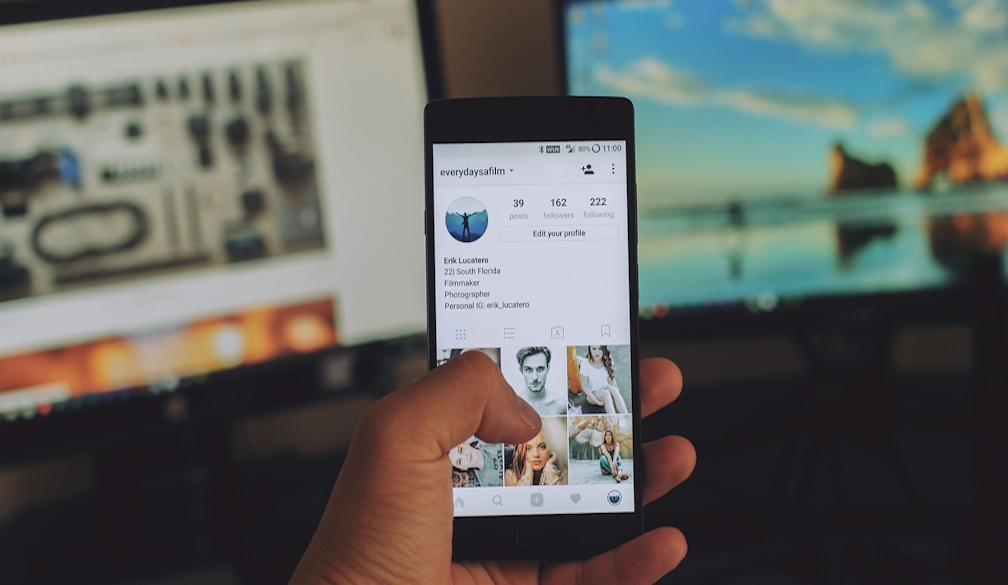
In recent years, the world of digital marketing has undergone a radical transformation: companies no longer focus solely on celebrities with millions of followers, but instead seek a more sophisticated balance between micro and mega influencers. The logic has shifted it’s no longer just about reach, but about the ability to generate authentic engagement and cultivate loyal communities.
Mega influencers, with hundreds of thousands or even millions of followers, continue to guarantee immediate visibility. However, metrics show that engagement rates the true measure of campaign effectiveness tend to decrease as audience size grows. This is where micro influencers come into play, often with 10,000 to 100,000 followers, but with a much closer, more personal connection to their audience.
According to a recent study by Influencer Marketing Hub, campaigns combining micro and mega influencers generate up to 60% more interactions than campaigns focusing solely on big names. Micro influencers deliver messages in an authentic way, often perceived as personal recommendations, while mega influencers provide global resonance and brand visibility.
Luca Matteo Barberis: Insights from a Leading Expert
To understand this balance, we spoke with Luca Matteo Barberis, one of Italy’s most renowned social media managers, with extensive experience managing communication for international sports competitions, major companies, and high-profile public figures.
In the last five years, I’ve seen the dynamics change completely, Barberis explains. Companies used to invest only in big names, relying purely on reach. Today, performance metrics and engagement quality have taken center stage. The most effective strategy is no longer mega or micro, but mega and micro combining influencers with a broad audience and influencers who maintain deep connections with their community.
Barberis points out that micro influencers allow brands to penetrate highly specific market segments in a more targeted and often more cost-effective way. If you want to promote a niche product, like a natural cosmetic or an exclusive experience, micro influencers generate much higher conversion rates because their audience trusts their recommendations. Mega influencers on the other hand are used to build immediate awareness and strengthen global brand perception.
The Impact on Brands and Marketing Campaigns
This new approach is reshaping how brands plan budgets and measure return on investment. Evaluation is no longer limited to total followers or post reach it now includes sophisticated metrics such as engagement rate comment sentiment click-through rate and actual conversions.
A recent example comes from the fashion sector where international brands invested part of their budget in micro influencers for capsule collection launches. Data shows that, despite a smaller overall audience, the average engagement per post was 35% higher than that of mega influencers. This translated into more direct and measurable sales, proving that authenticity often outweighs sheer notoriety.
Risks and Considerations
Naturally this strategy has its risks. Micro influencers may have limited reach and require more coordination to ensure consistency and brand alignment. Mega influencers, on the other hand, involve higher costs and sometimes less control over content.
The real balance lies in combining both Barberis emphasizes. An integrated approach leverages the strengths of both worlds the credibility and authenticity of micro influencers, alongside the visibility and impact of major names. Brands that fail to calibrate this mix risk wasting budget without achieving tangible results.
The Future of Influencer Communication
Looking ahead Barberis highlights how platforms are evolving to support this balance. TikTok Instagram Reels, and YouTube Shorts favor short, viral content suitable for both mega and micro influencers, while new analytics tools enable brands to track the real value of each collaboration, from clicks to actual sales.
Companies must see influencers as strategic partners, not just digital showcases, Barberis concludes. Community building, data analysis, and selecting the right creators will determine campaign success in the coming years. Influencer marketing is becoming a vital financial and strategic asset.
Conclusion
In short, the new balance between micro and mega influencers represents a revolution in digital communication. Forward-thinking companies no longer choose between notoriety and authenticity they combine both to optimize investment and results. The experience of Luca Matteo Barberis confirms that a winning strategy requires expertise, data-driven decisions, and vision, transforming influencers from promotional tools into true business partners.










