Vaccinations in Australia: Who Needs Them, When and Why?
- Written by: The Times
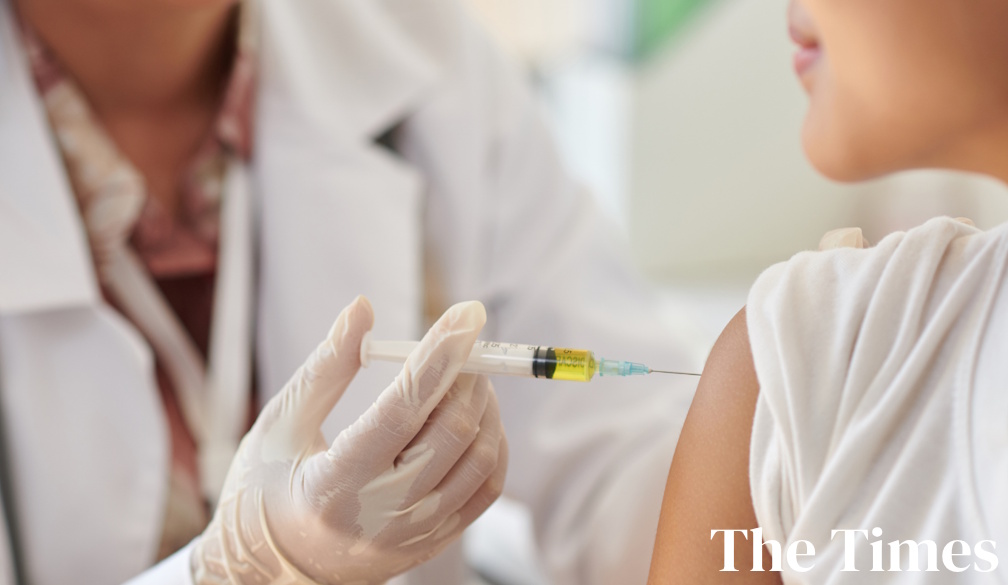
Vaccination is one of Australia's greatest public health success stories. Diseases that once claimed thousands of lives or left children with lifelong disabilities have become rare thanks to decades of carefully planned immunisation programs.
From newborn babies to older Australians, vaccines help protect individuals while also reducing the spread of infectious diseases throughout the community.
The Australian Government, together with the states and territories, invests billions of dollars in purchasing vaccines, operating immunisation programs and maintaining one of the world's most comprehensive vaccination registers.
The Childhood Schedule
Most Australian children receive their first vaccinations within weeks of birth, followed by additional immunisations during infancy, early childhood and the school years.
The National Immunisation Program provides protection against diseases including:
- Hepatitis B
- Diphtheria
- Tetanus
- Whooping cough (pertussis)
- Polio
- Pneumococcal disease
- Rotavirus
- Haemophilus influenzae type b (Hib)
- Measles
- Mumps
- Rubella
- Meningococcal disease
- Chickenpox (varicella)
- Human papillomavirus (HPV)
The program is designed to protect children before they are most vulnerable to serious illness.
Vaccinations Continue Into Adulthood
Immunisation is not only for children.
Adults are encouraged to maintain protection throughout their lives, particularly against diseases that become more dangerous with age.
Common adult vaccinations include:
- Annual influenza vaccine.
- COVID-19 boosters for eligible groups.
- Tetanus boosters after injury or every ten years where appropriate.
- Shingles vaccination for older Australians.
- Pneumococcal vaccination for eligible older people and those with certain medical conditions.
Pregnant women are also recommended to receive selected vaccines to help protect both themselves and their newborn babies.
Travelling Overseas
Australians travelling overseas may require additional vaccinations depending on their destination.
Countries in parts of Asia, Africa and South America may recommend or require protection against diseases such as:
- Yellow fever
- Typhoid
- Hepatitis A
- Rabies
- Japanese encephalitis
- Cholera in limited circumstances
Travellers should seek medical advice several weeks before departure to allow sufficient time for immunity to develop.
New Migrants and Refugees
Australia welcomes migrants from around the world, many of whom arrive with different vaccination histories.
Health authorities assess immunisation records where available and recommend catch-up vaccinations if required. This helps protect both new arrivals and the wider Australian community.
What Vaccination Has Achieved
Vaccination has dramatically reduced illnesses that were once common in Australia.
Diseases such as polio have been eliminated locally, while widespread immunisation has greatly reduced deaths and serious complications from measles, diphtheria and meningitis.
Public health experts point to vaccination as one of the most effective and cost-efficient medical interventions ever developed.
Which Vaccines Are Free?
Many vaccines are provided at no cost under the National Immunisation Program for eligible Australians.
Others are recommended but may require payment, particularly for travel, employment or personal protection.
General practitioners, pharmacies and vaccination clinics can advise which vaccines are funded and which are optional.
Optional Vaccinations Worth Discussing
Depending on age, occupation, lifestyle and travel plans, Australians may wish to discuss additional vaccinations with their doctor.
These can include:
- Influenza, even for healthy younger adults.
- Shingles vaccination before eligibility under government funding.
- Hepatitis A or B for higher-risk occupations.
- Travel vaccines.
- Tick-borne encephalitis vaccination for overseas travel where appropriate.
Medical advice should always be tailored to the individual's circumstances.
Australia's Health Record
Australia consistently records high childhood vaccination rates and maintains one of the world's most comprehensive immunisation databases through the Australian Immunisation Register.
High participation not only protects vaccinated individuals but also reduces opportunities for infectious diseases to spread through the broader community.
The Bottom Line
Vaccination is one of the quiet success stories of Australia's healthcare system.
Most Australians receive dozens of vaccinations throughout their lifetime, often without giving them much thought. Yet these immunisations continue to prevent serious illness, reduce hospital admissions and save lives every year.
Whether for a newborn baby, a traveller heading overseas, a grandparent receiving a shingles vaccine or a healthcare worker protecting vulnerable patients, immunisation remains one of the simplest and most effective ways of improving health outcomes.
Australians should discuss their vaccination status with their GP or pharmacist to ensure they remain protected according to their age, health conditions and lifestyle.