Navigating ADHD: Finding Clarity and Support Through Assessment in Melbourne
- Written by: The Times
(Source)
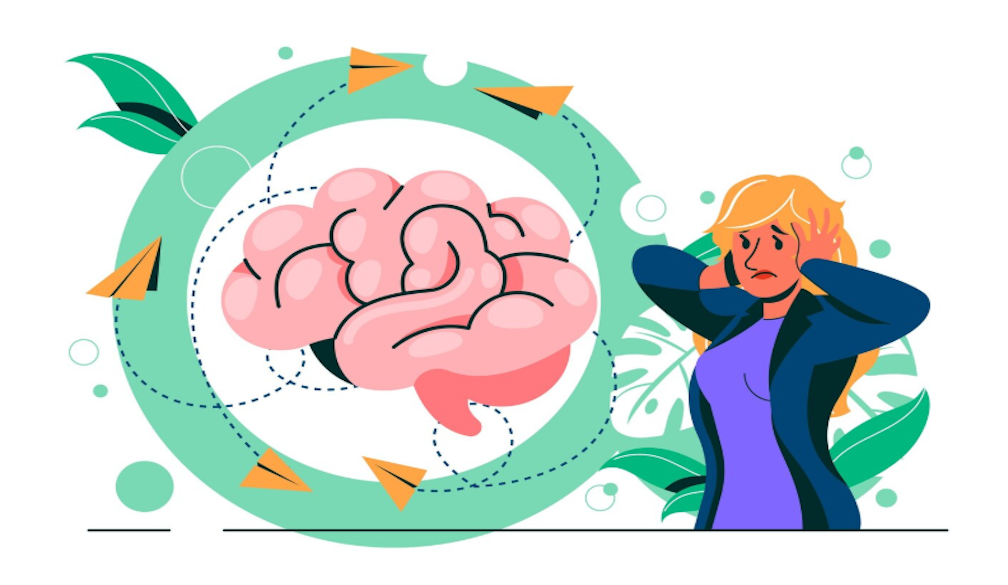
Every day seems like a chaotic experience filled with uncompleted responsibilities, miscellaneous commitments, and mind-racing thoughts. Many individuals encounter these difficulties as natural consequences of their active lives. People show such problems because they suffer from Attention-Deficit/Hyperactivity Disorder (ADHD), which can affect brain functions related to concentration, impulse control, and social leadership skills.
A specialist in Melbourne who performs ADHD assessments can confirm if symptoms stem from personal behaviour or suggest an underlying disorder. This guide provides details about ADHD assessments, describes the evaluation process, and recommends trustworthy support in Melbourne.
Why Does an ADHD Assessment Matters?
ADHD exists beyond symptoms of hyperactivity and distraction issues. The condition affects every part of existence, including work performance, mental health, financial status, and interpersonal relationships.
A formal diagnosis is important for understanding a challenge properly because it does more than identify its name. It can:
- A formal diagnosis helps people understand the reasons behind their obstacles and gives them great relief.
- Diagnosis helps people enter therapy and coaching services while obtaining medication and workplace accommodations.
- The discovery of ADHD reasons allows individuals to feel better about themselves because their challenges do not stem from laziness or inadequate work.
- Individuals who understand the way ADHD impacts their emotional responses and communication skills create improved bonds with the people they love.
You will likely experience major benefits from an ADHD assessment in Melbourne.
7 Signs You May Have ADHD
While ADHD affords differently in everyone, some common signs encompass:
- Difficulty focusing on responsibilities, especially mundane or repetitive ones
- Procrastination and hassle with time control
- Forgetfulness (appointments, time limits, each day's duties)
- Impulsivity (interrupting conversations, making hasty choices)
- Constantly feeling beaten or disorganised
- Hyperfocus on responsibilities of hobby whilst neglecting crucial responsibilities
- Struggles with emotional law (temper swings, frustration, anxiety)
What to Expect from an ADHD Assessment in Melbourne?
People experience nervousness regarding assessments, yet the evaluation approach supports clients with valuable insights. Here's what typically happens:
Step 1: Initial Consultation
Your ADHD investigation begins by speaking to a healthcare professional. Professional specialists trained in psychology, psychiatry and neurodevelopmental fields need to conduct diagnostic tests by interviewing patients about their symptoms and medical background and their ADHD-affected lifestyle.
Step 2: Comprehensive Questionnaires
The tests include self-reports, which you must complete, as well as potential requirements for information from family members or partners. These assessment tools evaluate behavioural patterns across multiple life domains.
Step 3: Cognitive and Psychological Testing
Near the end of an assessment at a clinic, doctors will possibly conduct supplemental cognitive testing to eliminate mental conditions, including anxiety and depression or learning disabilities, from the diagnosis.
Step 4: Diagnosis and Discussion
When you fulfil the criteria for an ADHD diagnosis, the clinician will present results, address your questions, and explore available treatment choices. If ADHD is not your main condition, the medical professional will refer you to another type of support.
4 Tips for Preparing for an ADHD Assessment
Before attending an ADHD assessment, follow these steps to maximise your interaction with the professionals:
- Gather Information
Reflect on your current symptoms and their effects on your daily life before your appointment. Writing down particular examples and maintaining a journal for a few days can help your preparation.
- Bring Supporting Documents
Apart from assessment documents, bring any formal documents with ratings or evaluations from school or workplace that demonstrate your difficulties. These can provide valuable insights.
- Be Honest
You can express yourself candidly and share your personal situations during the assessment. Your accurate diagnosis depends on being truthful about your difficulties with the professional care provider.
- Ask Questions
Feel free to question the treatment process and diagnostic methods while learning about forthcoming treatment decisions. The clinician will take sufficient time to address your concerns during the assessment.
Life After Diagnosis
An ADHD diagnosis creates an important switch in patients' lives. The following approach shows the direction individuals can take to proceed:
- Seek Support
People with attention-deficit disorder find strong support when they seek therapy, coaching or join a support group with others who share similar ADHD experiences.
- Develop Strategies
Your clinician needs help creating methods to control your symptoms. For example, your ADHD clinician may help you develop time administration methods, including organising mechanisms and mindfulness exercises.
- Advocate for Yourself
Workplace and educational institutions should implement accommodations and you have the right to request them openly. The Australian medical community accepts ADHD as an established medical disorder which entitles patients to receive proper assistance.
- Celebrate Your Strengths
People with ADHD have strengths in addition to their everyday challenges because they develop creative thinking, resilience, and innovation.
Final Thoughts
Managing ADHD becomes easier when you avoid dealing with it by yourself. A service providing ADHD assessments in Melbourne will give you the necessary direction while supplying both aiding resources and successful strategies to help you succeed. You can empower your personal self-care by taking action to get tested for ADHD as an individual treatment seeker or representative for someone else.
Your ADHD status stands as only a single aspect of what shapes your identity. Appropriate guidance and methods enable you to use obstacles as stepping stones toward a rewarding existence full of happiness. So, why wait? Contact a professional now to initiate your development path toward empowerment and clarity.
You've got this.