The shout is fading as Aussies hit their spending limits
Half of Australians now pay only for their own order and one in three are ditching the shout
A widening gap in what Australians are willing to pay is reshaping how people eat, drink, and spend when they go out, according to new data from Tyro’s 2026 Eat Pay Love hospitality report.
The research draws on hundreds of millions of food and drink transactions and a national survey of more than 2,000 consumers and 500 small business owners and shows growing price tolerance as spending and drinking habits are changing across all generations.
One in three (32%) are now less likely to buy a round of drinks, and more than half (51%) say their drinking habits have changed due to cost pressures. One in eight (13%) say they have cut down or stopped drinking alcohol, including 18% of Gen Z and 14% of Millennials.
“Australians haven’t stopped going out, but they’ve hit their spending limits,” said Nigel Lee, CEO of Tyro. “People are far more conscious of what they’re ordering, who they’re paying for, and what they’re willing to spend. We’re seeing fewer rounds being shouted, more people are paying their own way, and technology helping people sidestep awkward money conversations as cost-of-living pressures reshape everyday social habits.”
The shout fades as social norms shift
The Aussie pub tradition of buying rounds is losing ground as the cost of socialising rises. Among Australians who have ever shouted a round, 52% say they’ve paid more than $50, while one in five (19%) say they’ve spent $100 on a single round of drinks.
Digital tools are accelerating the shift, with 37% saying they use QR codes to avoid awkward money conversations with friends. Discretionary extras are also being cut, with two thirds (65%) saying they never tip. Tyro transaction data reinforces that tipping remains uncommon in practice, with just 1 in 100 restaurant transactions including a tip in December 2025, showing tipping is not routinely expected or enabled.
Expectations around behaviour are also tightening. Top dining out turn-offs include:
- Ordering expensive items and expecting others to split evenly (47%)
- Being rude to staff (43%)
- Non-drinkers having to split a drinks-heavy bill (39%)
- Mates disappearing when it’s their turn to shout (31%)
Despite these shifts, going out remains an important part of Australian life, with 52% saying their main reason for visiting pubs, cafés, or bars is to socialise and see friends, well ahead of heading out to enjoy food (17%) and drinks (6%).
“Buying a round just isn’t a given anymore,” said Andrew Thomas, owner of The Oaks Hotel, Neutral Bay. “When every beer and cocktail comes at a different price, people don’t want to get stuck paying for someone else’s more expensive order. We’re seeing more customers prefer to pay their own way, particularly older customers. A great pub experience still matters, but value plays a much bigger role in what people choose to order.”
Price ceilings hit coffee and beer
Coffee and beer are reaching what Australians consider their upper limits.
Consumers expect coffee to:
- Reach $6.70 this year, higher than the average maximum price they say they’re willing to pay ($6.60)
- Rise to $9.70 by 2030, and nearly double to $13 by 2035, pricing many out
A similar pattern is emerging for beer:
- Australians expect a schooner to reach almost $10 by the end of 2026, climb to $13.70 by 2030, and reach $17.70 by 2035
- The average maximum price they say they're willing to pay is $9.80
Younger Australians are far more comfortable paying higher prices than older generations, with Gen Z and Millennials willing to pay over $7 for a coffee and more than $10 for a beer, while Baby Boomers cap their spending at $5.70 for coffee and $8.80 for beer.
Small businesses remain confident about the year ahead
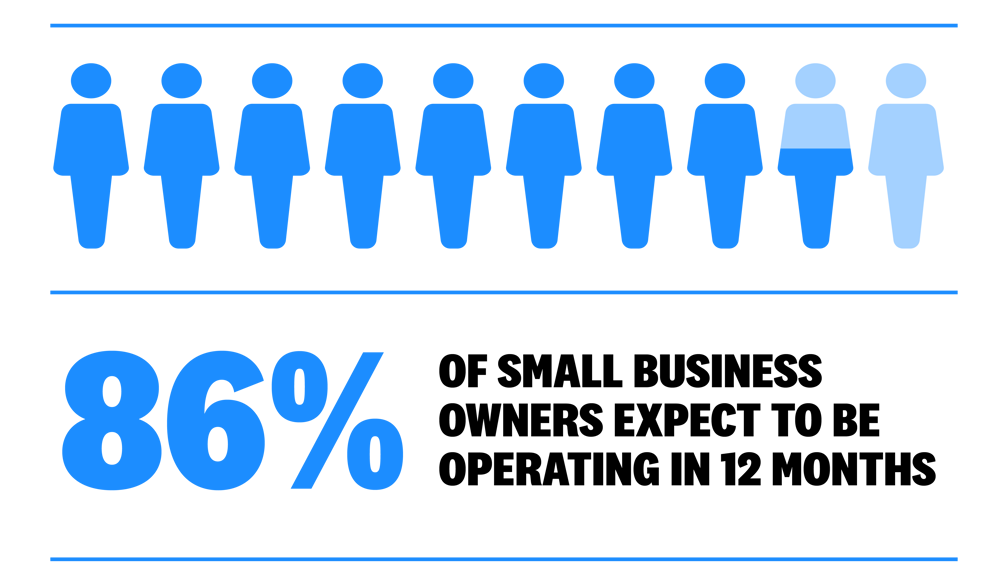
Small businesses continue to show strong confidence about the year ahead. Most (86%) expect they will still be operating in 12 months. When asked what they are most concerned about, more than four in ten owners (42%) say rising operating costs are top of mind, followed by reduced customer spending (32%), and rent pressures (25%).
Pricing on weekends and public holidays remains a sensitive issue for customers, but Tyro transaction data shows how important these periods are for hospitality businesses. While three in four Australians (76%) say they dislike paying higher prices on weekends or public holidays and one in three (31%) actively avoid venues that charge more, these days continue to account for a disproportionate share of trade.
In bars, weekends now generate around 41% of total transaction value, despite representing just 29% of trading days. As trade concentrates into fewer, higher-cost days, pricing flexibility can determine whether venues open at all. If public holiday pricing was removed, 31% of businesses say they would stop trading on weekends and public holidays, 25% would need to raise prices, while almost one in ten (9%) say they would need to close entirely.