National Cabinet’s new housing plan could fix our rental crisis and save renters billions
- Written by: Brendan Coates, Program Director, Economic Policy, Grattan Institute

Wednesday’s National Cabinet meeting set itself a huge task: to fix Australia’s rental crisis. Thankfully, given rents are rising at their fastest rate in decades, the plan it produced just might do the trick.
Prime Minister Anthony Albanese says it’s the most significant housing reform[1] in a generation. If the states and territories deliver on their commitments, this might become one of the rare occasions when such lofty rhetoric is justified.
The plan[2] has two key objectives:
As Grattan Institute has long argued[3], each is crucial.
Rents 4% cheaper as a result of the plan
The National Planning Reform Blueprint adds 200,000 homes[4] to the previous target of 1 million[5] extra homes over five years.
More importantly, that target is backed by $3.5 billion in incentives for states and territories to actually deliver the extra homes.
Most of that comes from the New Home Bonus[6], which will give states and territories $15,000 for every one of the extra 200,000 homes they deliver.
Grattan Institute calculations suggest those extra 200,000 homes, once all built, could reduce rents from what they otherwise would have been by 4%.
That’s a saving of $8 billion for renters over the first five years.
If those higher rates of construction are sustained for a full decade, rents could fall by 8%, saving renters $32 billion over those ten years.
Rewards for states that fast-track developments
A separate Housing Support Program[7] will provide $500 million in competitive funding for state and local governments who get their act together on connecting services to new housing developments and fast-tracking planning reforms.
These incentives are needed because planning reform is hard
The Grattan Institute has long called for[8] such meaningful incentives.
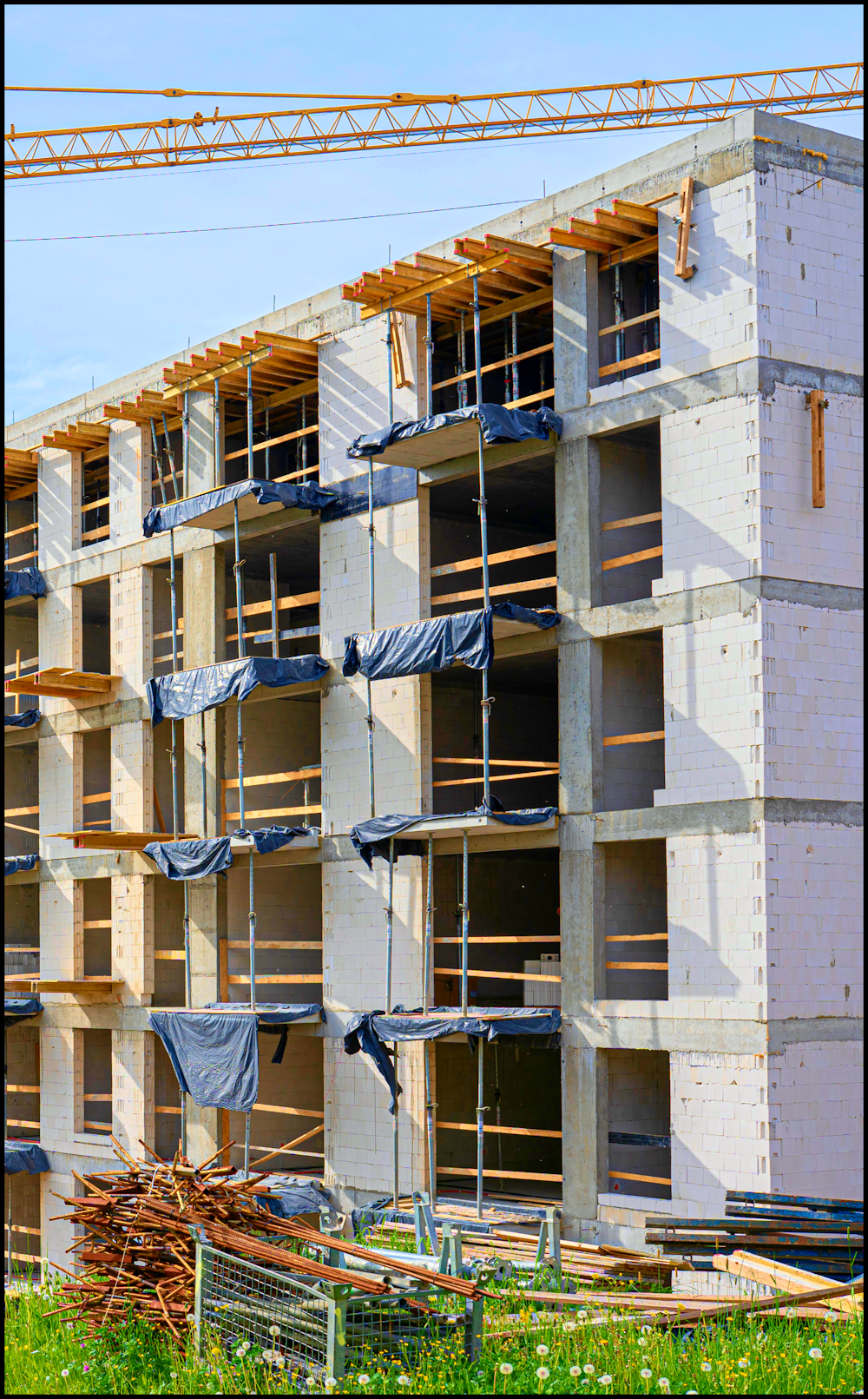
It is our state and local governments that restrict medium- and high-density developments, largely to appease existing residents in established suburbs.
The specific barriers vary from state to state, but the effect is the same: fewer houses where people most want to live.
Freeing up barriers is politically hard for state governments because many (vocal) residents don’t want more housing where they want to live.
Combined, the $3.5 billion in incentive payments will make it worth the states’ while to make tough choices by rewarding them for each extra home that’s eventually built.
Better housing, as well as more housing
Importantly, National Cabinet has also committed to rectifying problems in housing design and building certification to lift the quality of new builds, particularly apartments.
Public support for more density in existing suburbs will rise if residents know that what will get built will be good-quality housing[9] that results in more vibrant and liveable communities.
Better security for renters
The second part of the plan – better, and nationally consistent, rights for renters – is an important step towards delivering genuine security of tenure.
The archetypal renter is no longer a student with a few milk crates and a futon.
It is increasingly a young family that has to endure huge housing costs and the intermittent disruption of being evicted against its will.
Nearly a quarter of couples who started their family more than five years ago are still renting privately. As do more than half of Australia’s single parents.
But while renters have changed, Australia’s rental rules have not. Renting remains insecure: most tenancy agreements are for a single year, and in many states landlords retain extensive rights to end leases, including via no-grounds evictions.
The plans aim to ensure renters can be evicted only if there are genuinely reasonable grounds for eviction.
Better behaviour by landlords
The prime minister and premiers also want to combat what they call retaliatory[10] rent increases and eviction notices, whereby landlords hit back at tenants who take reasonable action to enforce legal rights or complain about their tenancy.
These are important steps, but more will be required. For example, more needs to be done to encourage institutional investors[11] to buy up more of the rental stock. They are better placed than “mum-and-dad” investors to offer security.
More needed, but a good start
There is much more[12] that will have to be done to make housing more affordable.
The tax and means test rules that distort demand for housing will have to be reformed, Commonwealth Rent Assistance will have to be increased further, and the Senate will have to pass the Housing Australia Future Fund to guarantee a steady stream of funding for new social housing.
But this is an excellent start. What will be important will be that the states follow through and don’t try to use loopholes to get rewards for homes that would have been built anyway.
For its part, the Commonwealth will have to do all it can to ensure Australia gets the skilled workers that will be needed to build these extra houses, including by streamlining[13] pathways to skilled migration.
Ultimately, the only thing that will really help is more about supply. Because when housing is plentiful, it’s more affordable.
Read more: The rent crisis is set to spread: here's the case for doubling rent assistance[14]
References
- ^ significant housing reform (twitter.com)
- ^ The plan (www.pm.gov.au)
- ^ long argued (grattan.edu.au)
- ^ 200,000 homes (www.pm.gov.au)
- ^ 1 million (www.nationalhousingaccord.au)
- ^ New Home Bonus (www.pm.gov.au)
- ^ Housing Support Program (www.pm.gov.au)
- ^ long called for (grattan.edu.au)
- ^ good-quality housing (grattan.edu.au)
- ^ retaliatory (www.pm.gov.au)
- ^ institutional investors (grattan.edu.au)
- ^ much more (grattan.edu.au)
- ^ streamlining (grattan.edu.au)
- ^ The rent crisis is set to spread: here's the case for doubling rent assistance (theconversation.com)
Authors: Brendan Coates, Program Director, Economic Policy, Grattan Institute