Influencers: Who Are They Really Looking After?
- Written by: The Times
Every generation has its trusted voices.
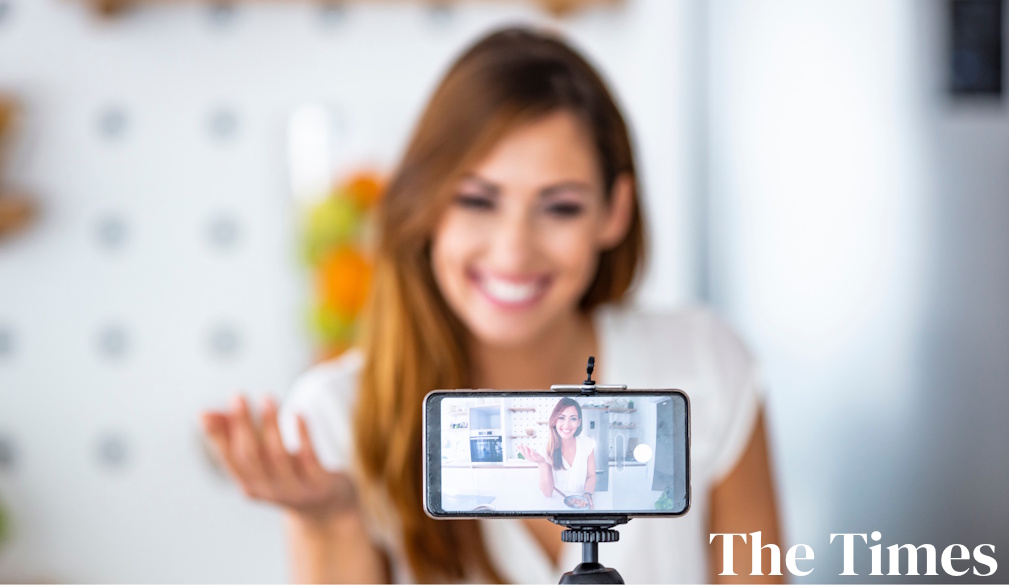
There was a time when newspapers, radio and television personalities shaped public opinion. Today, many Australians turn instead to social media. Influencers have become product reviewers, travel guides, financial commentators, fashion advisers and lifestyle experts, often attracting audiences larger than traditional media outlets.
But an important question deserves to be asked.
Who are influencers really looking after?
Many begin with good intentions. They share experiences, build communities and provide entertainment or practical advice. Their success comes from earning the trust of people who choose to follow them.
As their audiences grow, so do the commercial opportunities.
Companies offer free products. Brands pay for endorsements. Affiliate links generate commissions. Advertising revenue increases with every view, click and share. For the most successful influencers, social media is no longer simply a hobby. It is a business.
There is nothing wrong with earning a living.
The issue is whether followers always know when advice is being shaped by commercial interests.
If two products are equally good, will the one paying a commission receive the stronger recommendation? If a holiday destination provides complimentary accommodation, can the review ever be completely independent? If a financial product pays referral fees, should viewers assume they are hearing the whole story?
These are fair questions, not accusations.
Many influencers work hard to disclose sponsorships and maintain their credibility. Others have built reputations based on honest reviews and have refused commercial arrangements that would compromise their independence.
Unfortunately, not everyone operates to the same standard.
The pressure to produce constant content can encourage exaggeration. Every meal becomes "the best ever". Every gadget is "game changing". Every investment is "too good to miss". Every destination is "a hidden gem".
In a crowded marketplace, moderation rarely goes viral.
The responsibility does not belong solely to influencers. Audiences also have a role to play. Social media should be viewed with the same healthy scepticism we apply to any form of advertising. Popularity is not the same as expertise, and a large following is not proof that advice is correct.
Consumers have never had more information available to them, yet they have also never faced so much commercial persuasion disguised as personal recommendation.
Influencers have become an important part of the modern economy. They introduce new businesses, support worthwhile causes and often provide useful information that traditional media may overlook. Many deserve the success they have achieved.
But trust remains their greatest asset.
The most successful influencers in the years ahead are unlikely to be those with the largest audiences. They will be those whose followers believe that honesty matters more than sponsorship, that reputation is worth more than short-term profit, and that influence is something to be earned rather than monetised.
For everyone else, the lesson is simple.
Before accepting any recommendation online, ask one question.
Who benefits most if I follow this advice?