One Nation’s long march from protest vote to political force
- Written by: The Times
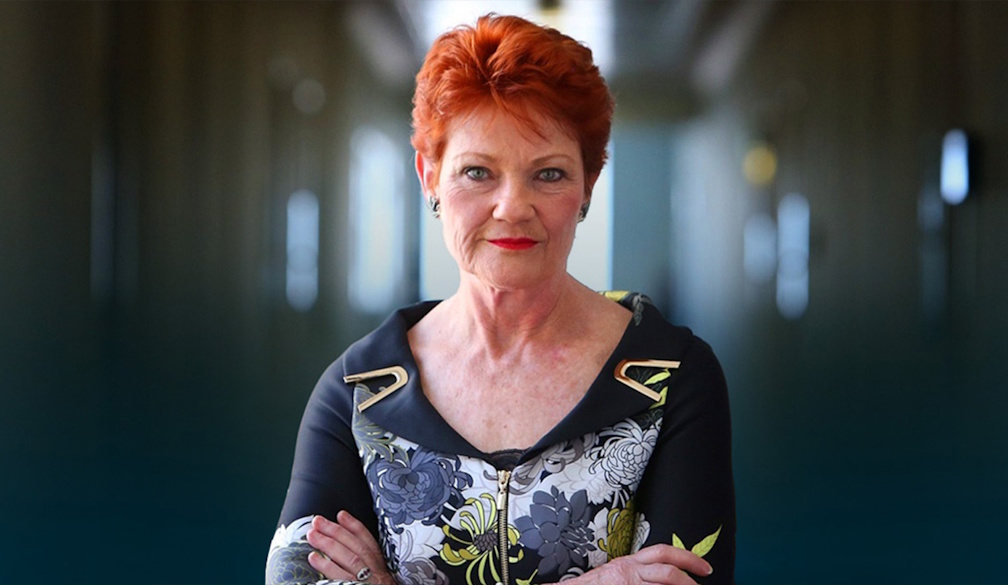
For decades, Pauline Hanson and One Nation have occupied a unique position in Australian politics.
Critics dismissed the movement as temporary. Supporters saw it differently. They believed the party spoke to frustrations that neither Labor nor the Coalition fully understood.
Now, after years of political turbulence, rising living costs, social division and public distrust in institutions, One Nation is once again making headlines across Australia.
The rise has not been sudden. It has been gradual, persistent and decades in the making.
Pauline Hanson first emerged in the national conversation during the 1990s, at a time when many Australians felt uneasy about globalisation, immigration pressures, manufacturing decline and the changing cultural direction of the country. Those concerns never entirely disappeared. In many communities they simply remained beneath the surface, waiting for political conditions that would allow them to re-emerge more strongly.
That moment may now have arrived.
Labor’s difficulties in office, combined with an opposition many voters regard as ineffective or uninspiring, have created political space outside the traditional major party system. Australians frustrated by rising household costs, housing affordability, energy prices and social tensions are increasingly willing to look elsewhere.
Labor itself appears aware of the risk. The party’s continued fundraising efforts and warnings about right-wing populism suggest concern about shifting voter sentiment, particularly in outer suburban and regional electorates where economic pressures are intense.
The Coalition faces a different challenge. After electoral defeats and internal division, conservative voters are increasingly questioning whether the Liberal and National parties still represent traditional Australian values or the priorities of working households. Some Coalition strategists believe the future lies in reconnecting with voters who want stability, national confidence and what many describe as a return to more cohesive and optimistic times.
This does not necessarily mean Australians are seeking radical change. Rather, many appear to be searching for certainty, cultural familiarity and political leadership that feels grounded in everyday life rather than ideological battles.
That environment suits One Nation.
The party’s support base has often been underestimated because it does not always dominate inner-city political conversations or elite media circles. Yet support for Hanson has consistently existed across regional Australia, outer suburbs, small business communities and among older voters who believe the country has changed too rapidly.
Importantly, many of these voters do not see themselves as extremists. They see themselves as ordinary Australians who feel politically overlooked.
One Nation has also benefited from broader international political trends. Across Europe and North America, voters have increasingly shifted towards populist or nationalist movements during periods of economic uncertainty and cultural change. Australia is not isolated from those forces.
Social media has further altered the political landscape. Smaller parties no longer rely entirely on traditional media exposure to reach voters. Messages can spread directly, particularly among audiences who already distrust mainstream political institutions.
Still, One Nation’s path forward is not guaranteed.
Australia’s preferential voting system makes it difficult for minor parties to achieve large-scale parliamentary dominance. The party’s influence often depends less on winning government and more on shaping national debate, influencing preference flows and forcing major parties to respond to issues they may prefer to avoid.
That influence, however, can still be substantial.
The major political lesson from One Nation’s continued relevance may be this: political dissatisfaction ignored for long enough eventually reorganises itself into electoral power.
Many Australians clearly feel the country is under pressure. Mortgage stress, rent increases, energy costs, migration pressures, stretched infrastructure and declining trust in institutions have created a sense that national cohesion is weakening.
Whether voters ultimately turn to One Nation in larger numbers remains uncertain. But what is increasingly clear is that Pauline Hanson’s political longevity was never simply about personality.
It reflected a section of Australia that believed its concerns were not fully heard.
For years those voters existed quietly in the background of Australian politics. Now, as economic and social pressures intensify, they are becoming harder for Canberra to ignore.