After years of backsliding, the ADF is growing again. What’s behind the recruitment uptick?
- Written by: Robert Hoffmann, Professor of Economics, Tasmanian Behavioural Lab, University of Tasmania
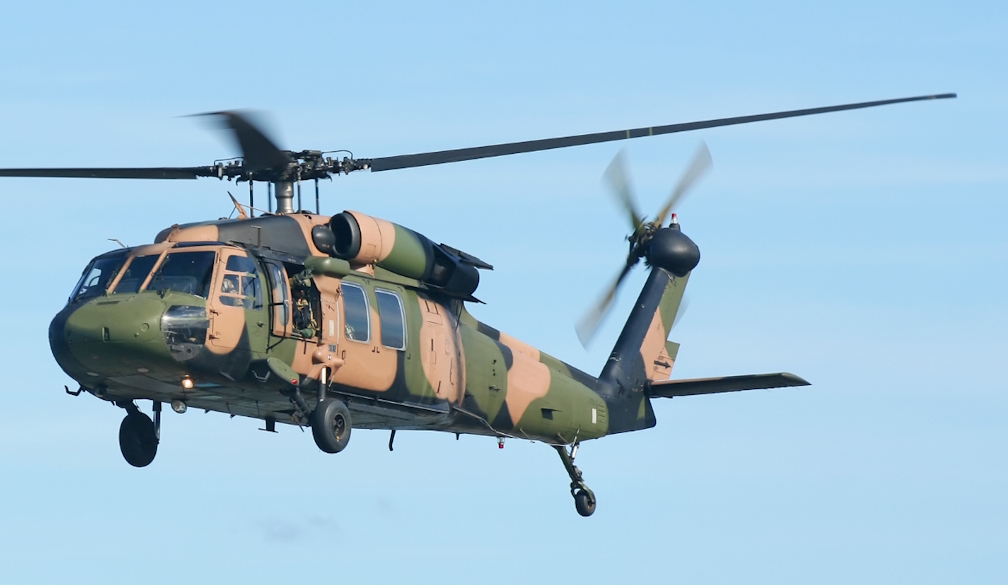
The Australian Defence Force (ADF) has been facing a recruitment crisis[1] for years. A lack of young people wanting to join has prompted a variety of responses from the force, including opening eligibility to some foreigners[2].
Given talk of chronic shortages[3] and a perennial recruitment crisis in Western volunteer forces, it’s somewhat surprising to see there’s finally been some progress.
Recruitment has risen by 17%[4] over last year’s figure. This exceeds planned growth and reverses a steady decline over the past 15 years, albeit still falls around 1,000 people short[5] of the financial year target of 8,105.
Applications were also up by a whopping 28%.
So what has changed to explain this turnaround? In order to maintain it and be better prepared for the security challenges Australia faces, we need to know what’s behind it.
In short, the recruitment drive is working.
Why don’t Australians enlist?
We were commissioned by the ADF to examine declining recruitment. As of June last year, only 80%[6] of the 69,000 personnel needed to meet future challenges had signed up. We wanted to know why.
Some of reasons are cultural: young Australians today – those in Gen Z – have more circumspect attitudes[7] to nation and duty compared to previous generations.
Read more: Gen Z is turning away from military service in record numbers. We're trying to understand why[8]
They also face greater mental health challenges[9] that – rightly or wrongly – make many feel unsuited to serve their country.
Economic factors play a role too. Low unemployment and a perception of better opportunities, work conditions and future prospects in the private sector also contribute.
What’s happening globally?
We can make sense of the Australian figures by eliminating some possible explanations. The first is the idea that international conflict is driving recruitment.
Looking at comparable countries with volunteer defence forces, it turns out Australia is not alone in rising interest in military careers.
This year, the United States army met its target[10] of recruiting 61,000 troops annually several months early.
The German Bundeswehr[11] reported a year-on-year recruitment uptick of 28% in late July.
In the United Kingdom[12], there was a 19% rise[13] in people joining the regular armed forces.
And Canada’s defence forces have just seen a ten-year high in recruitment[14], up by a staggering 55%.
So are people joining the armed forces in response to geopolitical issues? Not necessarily.
For many young Germans, for example, the Ukraine war is deeply and personally affecting[15]. Yet there is no evidence[16] it’s responsible for increased sign-ups.
Our own security challenges – such as China’s growing international assertiveness[17] – are therefore not likely to be a driver here.
Fixing the image problem
Alternatively, we can look closer to home to see what’s behind the recruitment boost.
Typically, military service is a steady gig in bad economic times. But price rises have been largely reined in, unemployment remains relatively low and consumer confidence has improved. Economic factors are unlikely to explain what is going on.
One possibility is young people’s attitudes. The US Army has singled out renewed patriotism[18] among youth as a reason.
This is not likely to be the case in Australia. If anything, there are indications to the contrary[19]. Former army chief Peter Leary blamed poor recruitment and retention on falling national pride.
It’s also unlikely fundamental values such as nationalism can change quickly enough to explain the sudden recruitment boost.
It also could be that the image of the military has improved. We have had two high-profile commissions: the Royal Commission into Defence and Veteran Suicide and the Brereton Afghanistan Inquiry.
It is conceivable these softened the ADF’s reputation in the direction of Gen Z[20], signalling strong ethics and transparency.
A recent survey from UNSW researchers[21], however, suggests that while these perceptions matter, there is limited awareness of the commissions and the issues that caused them.
So what is it then?
Military recruitment depends on the employer as much as on the employee. Has the ADF done something to make service more attractive? It seems is has.
One example is mental and physical fitness standards. Commentators have argued[22] mental health concerns can stop young people signing up. And stringent requirements mean less than 10% of applicants are accepted[23].
The ADF lowered medical requirements in 2024[24]. This included requirements around acne, outed as “stupid[25]” by Defence Personnel Minister Matt Keogh.
This made sense as military roles are becoming more diverse[26]. With fewer soldiers on the front line, there’s less need for high-level mental and physical stamina.
Another suggestion was to make the ADF more competitive in the “war for talent[27]” in an increasingly fierce labour market.
This too has been done: better pay, study, housing and health support are all part of a A$600 million government package[28].
These measures also explain why, as more new soldiers were recruited, fewer existing ones quit: attrition fell from about 10% down to 7.9%.
There were more measures, such as improving the processing of applications, and allowing citizens of New Zealand, Canada, the US and the UK to apply.
According to Keogh[29], this generated some 500 extra applications.
He also suggested[30] the biggest driver was embedding ADF recruitment adverts into the media frequented by the target group of 16–25 year olds: TikTok and video games.
What does all this tell us? As none of the underlying reasons why young Australians serve have changed since last year, it seems the ADF’s recruitment initiative has hit the mark.
The range of measures – targeted advertising, better pay and conditions, or eligibility criteria – make it hard to tell which did the work. It may be a combination of all of them.
But as of July 1, the full-time ADF workforce was at 61,189 people[31]. Given the force’s target is 69,000 by the 2030s, there’s some work still left to do.
References
- ^ recruitment crisis (theconversation.com)
- ^ some foreigners (theconversation.com)
- ^ chronic shortages (www.aspistrategist.org.au)
- ^ has risen by 17% (www.minister.defence.gov.au)
- ^ still falls around 1,000 people short (www.theguardian.com)
- ^ only 80% (www.defence.gov.au)
- ^ more circumspect attitudes (theconversation.com)
- ^ Gen Z is turning away from military service in record numbers. We're trying to understand why (theconversation.com)
- ^ mental health challenges (theconversation.com)
- ^ United States army met its target (www.businessinsider.com)
- ^ German Bundeswehr (www.reuters.com)
- ^ In the United Kingdom (ukdefencejournal.org.uk)
- ^ 19% rise (www.gov.uk)
- ^ ten-year high in recruitment (globalnews.ca)
- ^ deeply and personally affecting (www.spiegel.de)
- ^ no evidence (www.bundeswehr.de)
- ^ international assertiveness (www.theatlantic.com)
- ^ renewed patriotism (www.army.mil)
- ^ indications to the contrary (www.rslaustralia.org)
- ^ in the direction of Gen Z (www.armyupress.army.mil)
- ^ survey from UNSW researchers (www.unsw.edu.au)
- ^ Commentators have argued (www.sbs.com.au)
- ^ 10% of applicants are accepted (www.theguardian.com)
- ^ lowered medical requirements in 2024 (www.dailytelegraph.com.au)
- ^ stupid (www.abc.net.au)
- ^ military roles are becoming more diverse (www.theaustralian.com.au)
- ^ war for talent (www.militarytimes.com)
- ^ A$600 million government package (www.news.com.au)
- ^ According to Keogh (www.minister.defence.gov.au)
- ^ also suggested (www.theguardian.com)
- ^ 61,189 people (www.theguardian.com)