Google AI
The Times Australia

Times Media

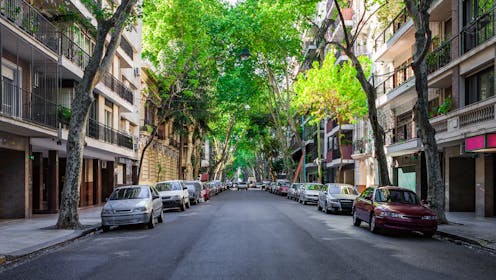
Where you live affects your dementia risk

  • Written by: Yen Ying Lim, Associate Professor, Monash University
Where you live affects your dementia riskShutterstock

Socioeconomic status is a key indicator of health outcomes, including access to, and quality of health care.

In 4,656 adults across metro, regional and rural Australia, new research from the Healthy Brain Project showed those living in more disadvantaged areas have poorer memory and a greater risk of developing dementia.


Health...

Read more: Where you live affects your dementia risk

Times Magazine

The $4,699 iPhone: why people still want Apple’s best

The iPhone 18 Pro Max can cost more than many people would spend on a computer. Its appeal says as...

BYD Shark 6 v Toyota LandCruiser 300: can new technology defeat an Australian legend?

The BYD Shark 6 and Toyota LandCruiser 300 Series may appear to belong in different vehicle catego...

Technology

MISSION 1, MISSION 1 PRO and MISSIO…

Today, GoPro, Inc. (NASDAQ: GPRO) announced that its MISSION 1 Series of compact cinema cameras ha...

Local News

Fitstop Global Games to Bring 1,000…

The Australian-born fitness brand is bringing its global competition home, with athletes from across...

Culture

Retail therapy: Do shops sell us things — or …

There is a particular pleasure in buying something new. It might be a pair of shoes, a television...

Travel

School holiday pricing: fair market economics…

Every Australian family with school-aged children knows the pattern. Look at an airfare, hotel ro...

The Times Features

Retail therapy: Do shops sell us things — or dreams?

There is a particular pleasure in buying something new. It might be a pair of shoes, a television...

Shipstern Bluff surfing movie

STERN FEVER is a new independent feature length documentary telling the story of Shipstern Bluff, ...

$1 Million of Free Care to Help Older Australians Falli…

Almost 154,000 older Australians are waiting to receive all of the in-home aged care funding they ...