Back to the fuel guzzlers? Coalition plans to end EV tax breaks would hobble the clean transport transition
- Written by: Anna Mortimore, Lecturer, Griffith Business School, Griffith University
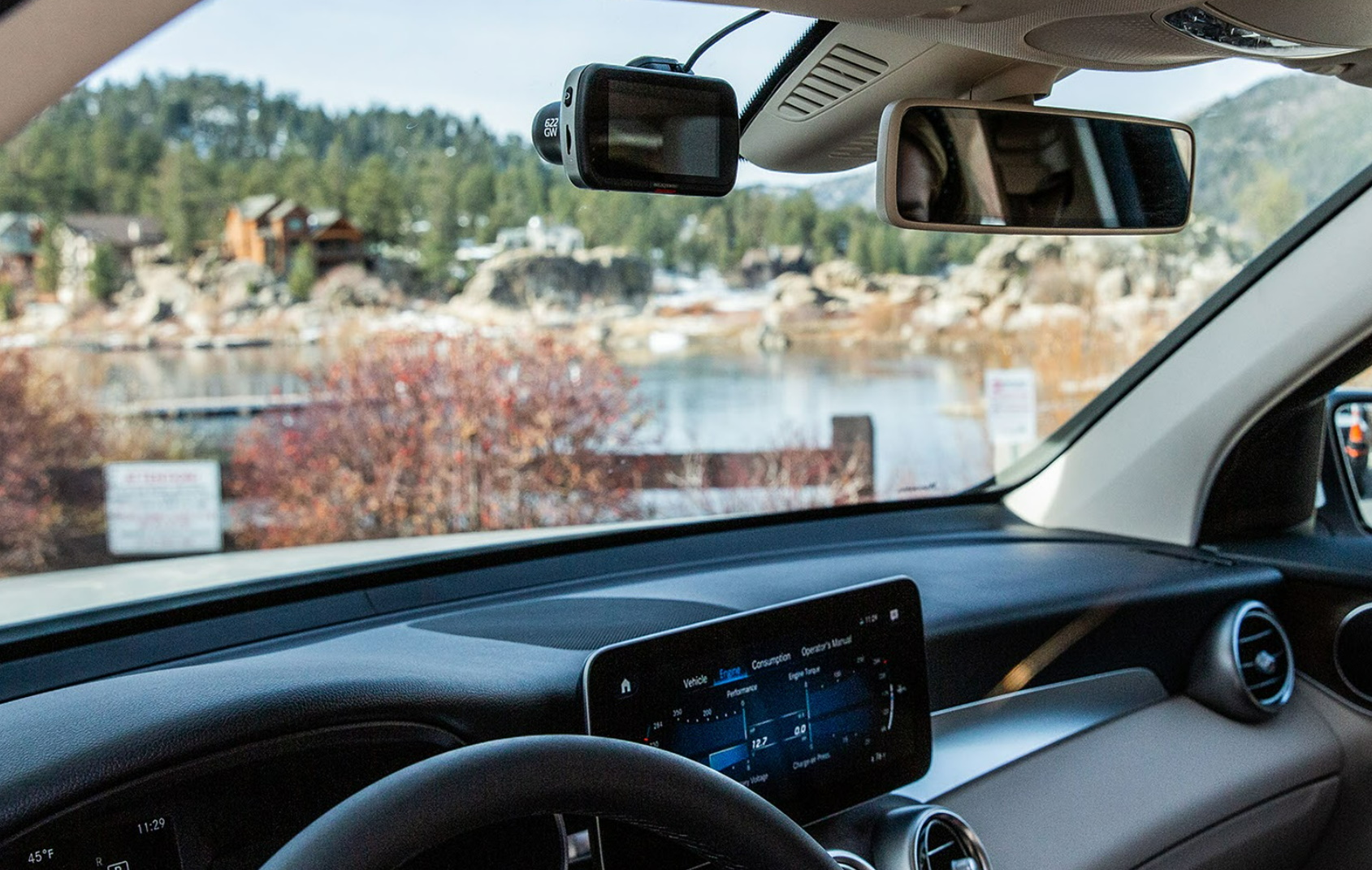
If elected, the Coalition has pledged[1] to end Labor’s substantial tax break for new zero- or low-emissions vehicles.
This, combined with an earlier promise to roll back new fuel efficiency standards, would successfully slow the transition to hybrid and battery electric vehicles (EVs).
The Albanese government pitched these tax breaks as a way to make EVs cheaper to buy and more competitive with internal combustion engine cars. Since the tax break came in, EV popularity has surged. Almost 100,000 people have taken out[2] a novated lease on an EV between mid-2022, when the scheme began, and February 2025.
The Coalition has been consistently critical of the tax breaks on cost grounds. The scheme has been far more popular than government forecasts envisaged, leading to concerns about a cost blowout[3]. Rather than the A$55 million forecast for 2024-25, the scheme has cost ten times that – $560 million. EV buyers are much more likely to be wealthy, meaning the tax break has been snapped up by people who need it less. The policy is, however, encouraging car suppliers to import more affordable EVs.
These concerns don’t mean Labor’s policy is bad. Far from it – this tax break is currently the only policy working to drive down transport emissions, now the second-largest source of emissions in Australia. The Coalition has given no indication it would replace the EV tax break with other ways to cut transport emissions.

What is this tax break – and did it work?
In mid-2022, the Albanese government introduced a tax break to encourage uptake of electric vehicles. The measure initially covered hydrogen fuel-cell, battery-electric and plug-in hybrid vehicles, but plug-in hybrids are no longer eligible as of April 1.
The tax break works by giving EV buyers who are current employees a fringe benefits tax exemption[5] for low- or zero-emissions vehicles both held and used for private use.
The fringe benefits tax is a flat tax of 47% levied on the car benefit provided by the employer. For the exemption to apply, the retail price of the car has to be under the threshold[6] for the luxury car tax of $91,387.
People in high incomes brackets often like to negotiate with their employer to have a car included as part of their salary package so they can reduce their taxable income. The fringe benefits tax is levied on these types of benefits.
A battery electric Hyundai Kona retailed for around $60,000 last year – 32% more in price than its internal combustion engine equivalent. The fringe benefits tax of around $11,700 annually ends up being larger because of the EV’s high sale price. Without this exemption, the tax acts as a major disincentive for the uptake of EVs.
By and large, electric vehicles cost significantly more than their traditional counterparts. This price gap is dropping as new manufacturers enter the market, but it’s still there. While EVs have lower fuel costs, the higher upfront cost has put off many prospective buyers. This is the issue Labor’s tax exemption was intended to fix.
Has the scheme worked? Overall, yes. In 2022, EVs accounted for just 3.3% of all new cars sold in Australia. By 2023, almost two-thirds[7] of battery electric, vehicles were sold to private buyers, a 145% increase. And in 2024, the figure had almost tripled to 9.6%. Without this tax incentive, Australia’s uptake of EVs would most likely be much lower.
If a future Coalition government ended the tax break, Australia would return to the pre-2022 era, where fringe benefits tax acted as a significant disincentive for EVs.

The tax break isn’t perfect – but it’s better than nothing
Australia’s main power grid now runs on an average of 40% clean energy[9]. As a result, emissions have been tracking downward in these sectors. But transport emissions are still rising. Transport is now Australia’s second-largest[10] source of emissions – almost 100 million tonnes (Mt) out of our total emissions of 434 Mt. By 2030, transport is projected to be[11] the largest source of domestic emissions.
Under the 2015 Paris Agreement, nations agreed at least 20% of light vehicles on their roads would be low- or zero-emissions by 2030[12]. But Australia is lagging well behind the pack on the shift to cleaner transport.
At present, just 1%[13] of Australia’s car fleet is electric. Even EVs make up close to 10%[14] of new sales, changing the makeup of the entire fleet (16.8 million[15]) will take years.
By contrast, almost 90% of new cars sold in Norway are electric, according to a 2024 report from the International Energy Agency[16]. In China it’s just under 60%, Sweden it’s 60%, Netherlands 30%, the UK 25% and the United States 10%.
These countries have used a combination of tax incentives and fuel efficiency regulations to drive rapid uptake. While Labor has moved to introduce both of these, progress hasn’t been as fast.
Back to the fuel guzzlers?
Australians rely heavily on cars. But the long lack of fuel efficiency standards mean many models sold here emit much more[17] than in other OECD countries – 150 grams per kilometre versus 107 across 29 European Union nations as of 2023. Put another way, a new car in Australia uses 40% more fuel[18] than its equivalent in the EU. Many drivers prefer big cars, such as the top-selling[19] Ford Ranger.
If the Coalition ends the tax break and pulls the teeth[20] of new emissions standards, it would bring recent modest progress to a halt.
The Coalition has rightly pointed out the inequity of the tax break as it stands. My research has shown[21] this could be fixed. Throwing the scheme out without proposing another way to cut transport emissions is disheartening.
References
- ^ has pledged (www.theaustralian.com.au)
- ^ taken out (www.afr.com)
- ^ cost blowout (www.afr.com)
- ^ meowKa/Shutterstock (www.shutterstock.com)
- ^ a fringe benefits tax exemption (www.ato.gov.au)
- ^ the threshold (www.ato.gov.au)
- ^ almost two-thirds (www.ntc.gov.au)
- ^ Mick Tsikas/AAP (photos.aap.com.au)
- ^ 40% clean energy (cleanenergycouncil.org.au)
- ^ second-largest (www.dcceew.gov.au)
- ^ projected to be (www.dcceew.gov.au)
- ^ by 2030 (unfccc.int)
- ^ just 1% (www.ntc.gov.au)
- ^ close to 10% (www.aaa.asn.au)
- ^ 16.8 million (www.ntc.gov.au)
- ^ International Energy Agency (www.iea.org)
- ^ much more (www.ntc.gov.au)
- ^ 40% more fuel (www.dcceew.gov.au)
- ^ top-selling (www.drive.com.au)
- ^ pulls the teeth (theconversation.com)
- ^ has shown (research-repository.griffith.edu.au)