Are We Building Australia's Future Slums?
- Written by: The Times
Australia needs more homes.
Few people dispute that.
Population growth, smaller household sizes and years of underbuilding have combined to create one of the nation's biggest challenges.
But amid the race to build more housing, another question deserves attention.
Are we building neighbourhoods that Australians will still admire in 50 years' time?
Housing affordability is important.
So is urban quality.
The two should not be mutually exclusive.
The disappearing backyard
For generations, the Australian dream was built around space.
A front garden.
A backyard.
Room for children to play.
Space for a vegetable patch, a barbecue or simply a little privacy.
Today, many new housing estates tell a different story.
Blocks have become progressively smaller.
Homes occupy a greater proportion of the land.
Backyards have shrunk or disappeared altogether.
As land prices have risen, the amount of private open space has often moved in the opposite direction.
Streets that feel narrower
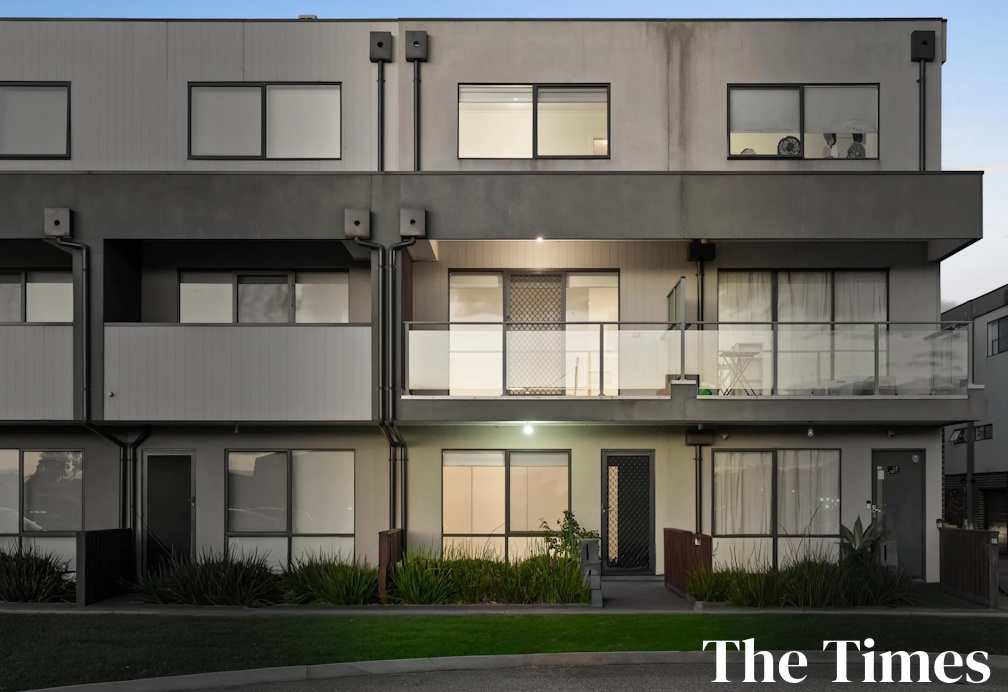
Many new suburbs are designed to maximise the number of homes that can be built on each hectare.
The result can be streets lined with parked cars, limited tree cover and little room for future growth.
Visitors sometimes notice that the road itself seems secondary to fitting in one more block of land.
Planning efficiently is important.
Creating pleasant streets is equally important.
When neighbours live on top of each other
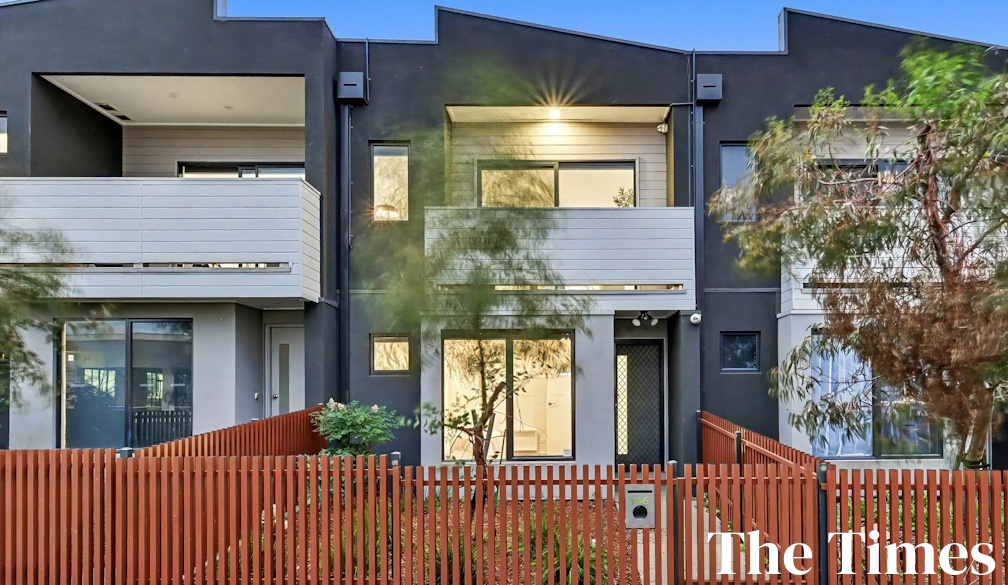
Another common feature of modern subdivisions is the increasing dominance of two-storey homes built on relatively small lots.
For families living next door in older single-storey homes, that can mean upper-floor windows overlooking backyards, patios and living areas.
Privacy, once taken for granted, becomes harder to preserve.
Good urban design seeks to balance higher density with respect for neighbouring properties.
Achieving that balance is not always easy.
Does every street look the same?
Large project builders have helped thousands of Australians enter the housing market.
They perform an important role in meeting demand.
Yet many estates rely on a relatively small number of standard house designs repeated across hundreds of lots.
The result can be efficient construction but limited architectural diversity.
Older suburbs often evolved gradually over decades.
Different builders.
Different eras.
Different architectural styles.
That variety contributes to neighbourhood character.
The question of materials
Modern building materials continue to improve in many respects, including energy efficiency and construction speed.
At the same time, some buyers question whether certain lightweight cladding systems, finishes and cost-saving construction methods will prove as durable over several decades as the brick and timber homes built in earlier generations.
The answer will only become clear with time.
Durability is measured over decades, not months.
More than houses
A successful suburb is not simply a collection of homes.
It is the combination of parks, schools, shopping centres, transport, sporting facilities, street trees and public spaces that creates a sense of community.
When these elements arrive years after the first residents move in, neighbourhoods can feel incomplete.
Building houses is only one part of building a suburb.
The value of good planning
Australia has examples of neighbourhoods that remain highly sought after many decades after they were built.
Wide streets.
Established trees.
Consistent setbacks.
Parks within walking distance.
Homes that complement rather than dominate each other.
Good planning often increases property values because people enjoy living there.
Quality urban design becomes an investment in the future.
A race against time
Governments face enormous pressure to increase housing supply.
Developers must control costs.
Builders must deliver homes people can afford.
These are genuine challenges.
Yet quantity should not completely overshadow quality.
The suburbs built today will shape the lives of Australians for generations.
Mistakes made now may take decades to correct.
The real investment
When Australians buy a home, they purchase more than bricks and mortar.
They buy into a neighbourhood.
They invest in the appearance of the street.
They rely on the quality of nearby development.
They hope the area will become more desirable, not less.
That is why planning standards matter.
A well-designed suburb tends to become more attractive with age.
A poorly planned one may struggle to overcome its original design.
Building communities, not just houses
Australia unquestionably needs more housing.
The debate is no longer simply about how many homes should be built.
It is about what kind of communities we want to leave to the next generation.
Future Australians will inherit the streets, neighbourhoods and suburbs being approved today.
The question for planners, developers and governments is not whether we can build more houses.
It is whether we can build places that people will still be proud to call home in fifty years' time.