Trump's Deal With Iran: Here Are the Terms and Conditions
- Written by: The Times
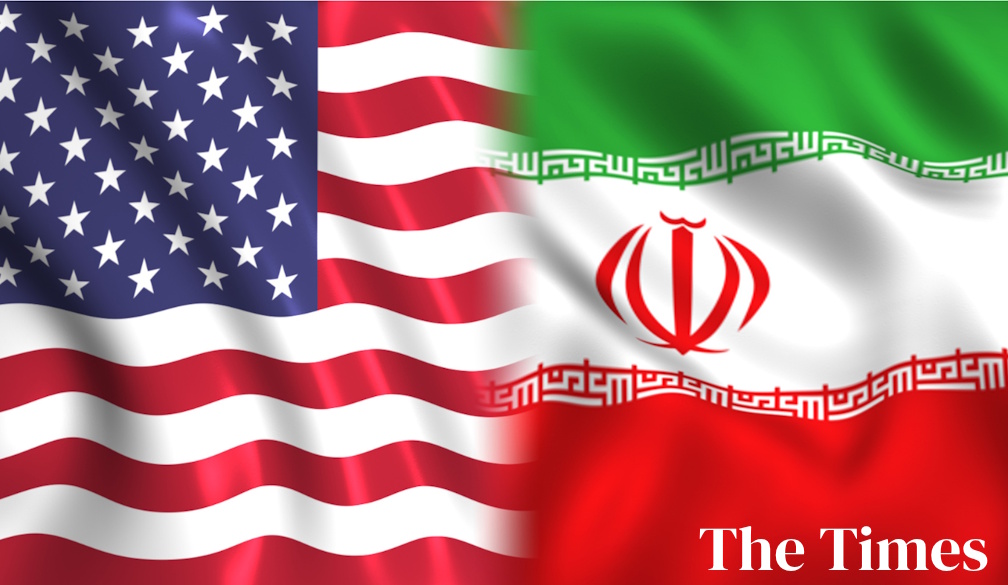
After months of conflict, soaring oil prices and fears of a wider Middle East war, United States President Donald Trump has unveiled what may become one of the most significant diplomatic agreements of his presidency.
The agreement is not a final peace treaty. Instead, it is a 14-point Memorandum of Understanding designed to halt fighting immediately while giving negotiators 60 days to resolve the most difficult issues.
For Australia and the rest of the world, the deal matters because stability in the Middle East directly affects fuel prices, inflation, shipping costs and the global economy.
The key terms
Immediate ceasefire
Both sides agree to cease military operations, ending direct hostilities and creating a framework for longer-term negotiations.
60-day negotiating period
Negotiators will meet in Switzerland to attempt to convert the memorandum into a permanent agreement covering security, nuclear issues and regional stability.
Strait of Hormuz reopens
Iran will permit commercial shipping through the Strait of Hormuz, one of the world's most important energy routes. The reopening is expected to ease pressure on global oil supplies.
Sanctions relief
The United States has agreed to begin lifting sanctions in stages, with further relief linked to Iran meeting its commitments under the agreement.
Access to frozen assets
Iran will regain access to frozen financial assets as implementation progresses, providing an immediate boost to its struggling economy.
Economic reconstruction
The agreement proposes hundreds of billions of dollars in reconstruction and economic development funding from the United States and international partners over coming years.
Nuclear commitment
Iran again states that it will not develop nuclear weapons. However, detailed negotiations over uranium enrichment, existing stockpiles and inspection arrangements remain unresolved.
International inspections
Future verification would be conducted under International Atomic Energy Agency supervision as negotiators work toward a permanent settlement.
Freedom of navigation
Commercial vessels are to receive safe passage through the Strait of Hormuz, reducing risks to global shipping and energy markets.
Implementation mechanism
A joint executive body will oversee compliance, while disputes will be managed during the negotiation period.
What is not included
The agreement deliberately leaves several of the most controversial issues unresolved.
Iran is not required to dismantle its missile program immediately.
Its existing enriched uranium stockpile remains the subject of future negotiations.
Questions surrounding Iran's regional influence and support for allied militant groups are largely deferred.
Many of the security guarantees sought by Israel also remain outside the current memorandum.
Why the G7 welcomed it
Leaders at the G7 summit praised the agreement because even an imperfect ceasefire reduces the immediate risk of a broader regional war.
A reopening of the Strait of Hormuz has the potential to stabilise energy markets, reduce inflationary pressure and restore confidence to global trade.
Why critics remain sceptical
Supporters describe the agreement as pragmatic diplomacy that prevented further escalation.
Critics argue Iran receives substantial economic benefits before making irreversible concessions on its nuclear capabilities or missile programs.
Much will therefore depend on whether the next 60 days produce a comprehensive and enforceable final agreement.
Why Australians should care
Every disruption in the Middle East eventually reaches Australian households.
Oil prices influence petrol prices.
Shipping costs affect imported goods.
Higher transport costs feed inflation.
Inflation influences interest rates.
Whether this agreement becomes a lasting peace or merely a pause in the conflict will help determine the economic outlook for Australians during the second half of 2026.