Fuel prices, supplies and the Iran effect
- Written by: The Times
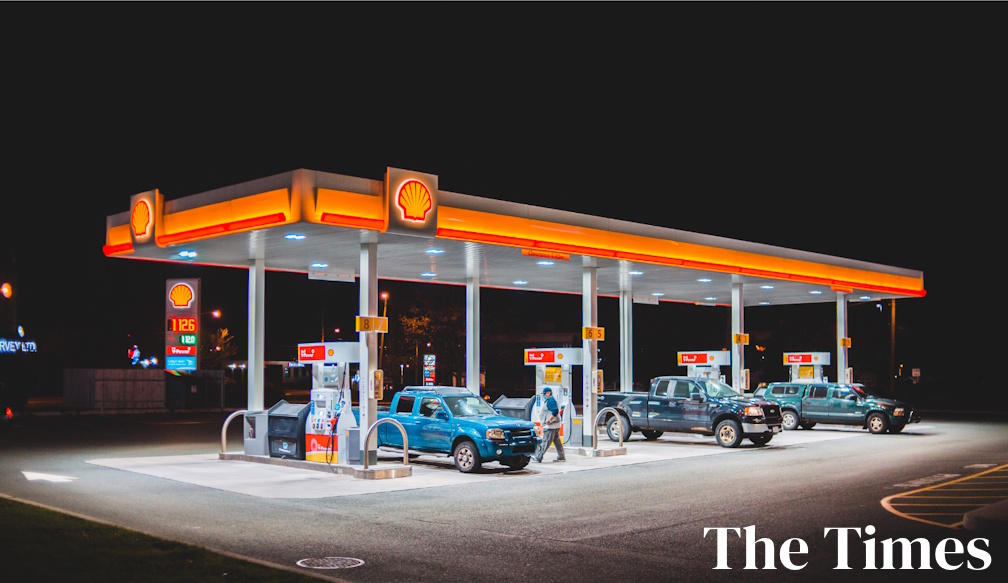
Why every Australian is paying more
Australians are being reminded that fuel is not just what goes into the family car. It powers trucks, buses, farm machinery, mining equipment, freight networks and the vast supply chains that keep supermarket shelves stocked.
While global attention remains focused on the conflict involving Iran and the ongoing instability around the Strait of Hormuz, Australians continue to feel the consequences every time they fill a fuel tank or buy goods transported across the country.
The Strait of Hormuz remains one of the world's most important energy corridors, carrying a substantial share of global oil supplies. Disruptions to shipping movements and ongoing security concerns have pushed fuel markets into a period of uncertainty, creating ripple effects that reach far beyond the Middle East.
Fuel Prices Remain Under Pressure
Although Australian fuel supplies have improved compared with the height of the crisis earlier this year, motorists continue to face elevated prices and ongoing volatility.
The Albanese Government's temporary fuel excise reduction has provided some relief, reducing fuel costs for motorists and transport operators. However, the underlying problem remains international supply uncertainty rather than domestic demand.
Industry analysts warn that wholesale diesel costs remain a particular concern because diesel powers Australia's freight sector. When diesel prices rise, the impact eventually flows through to food prices, retail goods, construction materials and countless other products.
Fuel Availability Better Than Earlier Fears
Prime Minister Anthony Albanese has repeatedly stated that Australia's fuel position is stronger than it was during the initial stages of the Middle East conflict.
Additional fuel shipments have been secured from alternative suppliers across Asia, while governments and industry have worked to build inventories and strengthen supply arrangements. The Federal Government says national fuel supplies are now above pre-war levels and additional deliveries continue to arrive.
Australia has also expanded strategic stockpile arrangements and implemented emergency measures designed to keep critical industries operating should further disruptions occur.
Iran Still Influencing Global Markets
Despite talk of ceasefires and diplomatic efforts, Iran continues to exert enormous influence over global energy markets.
Shipping movements through the region remain below normal levels and uncertainty continues to affect oil pricing worldwide. Even where military activity has eased, supply chains do not instantly recover. Tankers, refiners, insurers and logistics operators all remain cautious.
The result is that energy markets continue to price in risk, keeping pressure on fuel costs across importing nations such as Australia.
Why Every Australian Pays
Many Australians who rarely drive may assume fuel prices have little effect on their finances.
The reality is very different.
Almost every item purchased by consumers has travelled by truck at some point. Fresh food, groceries, furniture, appliances, clothing and building materials all depend on fuel-powered transport networks.
Businesses facing higher transport costs often have little choice but to pass those costs on to customers. That process can add to inflation and place further pressure on household budgets already stretched by housing, insurance and utility costs.
Is There An End In Sight?
The answer depends largely on events thousands of kilometres away.
If shipping routes continue to normalise and oil flows return to more predictable levels, fuel prices could gradually ease during the second half of the year.
However, analysts warn that any renewed escalation involving Iran or further disruptions around key shipping routes could quickly send oil prices higher again.
For now, Australia's fuel supplies appear stable and new shipments are continuing to arrive. The immediate fears of shortages have eased.
The bigger challenge is price.
Australians may not be following every development in the Middle East, but they are certainly paying for it every time they visit a service station, order goods online or walk through the supermarket checkout.