Airlines are adapting to unprecedented fuel supply issues and declining passenger numbers
- Written by: The Times
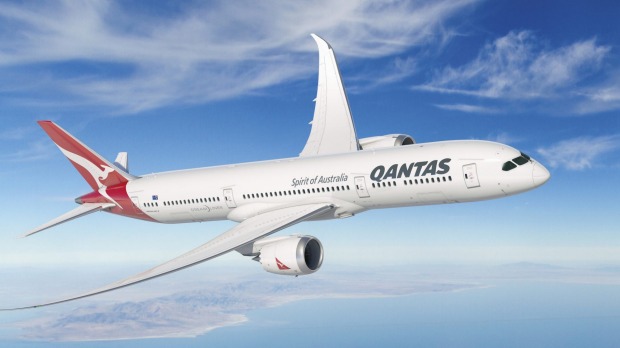
The global aviation industry is facing a convergence of pressures rarely seen in its modern history. On one side, airlines are grappling with increasingly unstable and, at times, constrained fuel supply. On the other, passenger demand—once expected to surge post-pandemic—has begun to soften in key markets. Together, these forces are reshaping how airlines operate, price, and plan for the future.
For decades, aviation has been highly sensitive to fuel costs. Jet fuel is typically the single largest operating expense for airlines, often accounting for 20% to 30% of total costs. But the current challenge is not just price volatility—it is supply uncertainty.
Fuel supply constraints have emerged from a mix of geopolitical tensions, refining capacity limitations, and shifting global energy priorities. Conflicts affecting key shipping routes, including those linked to the Strait of Hormuz, have heightened concerns about the reliability of supply chains. At the same time, several refineries worldwide have either closed or transitioned away from traditional fuel production, tightening the availability of aviation fuel.
For airlines, this creates a problem that cannot simply be solved through pricing strategies. While carriers have long used hedging to manage fuel costs, hedging cannot compensate for physical shortages or logistical disruptions. The result is a growing emphasis on operational adaptation.
One of the most immediate responses has been capacity adjustment. Airlines are increasingly willing to cut or consolidate routes where fuel supply is uncertain or costs become prohibitive. This is particularly evident on long-haul routes, where fuel burn is highest and margins are often thinner.
Carriers such as Qantas and Virgin Australia have been refining their networks, prioritising routes that deliver stronger yields and more predictable demand. In some cases, this means reducing frequency rather than withdrawing entirely—maintaining market presence while limiting exposure.
At the same time, fleet strategy has taken on renewed importance. Airlines are accelerating the transition to more fuel-efficient aircraft, not just as a sustainability measure but as a necessity. New-generation planes offer significant reductions in fuel consumption per seat, providing a buffer against both high prices and constrained supply.
However, fleet renewal is capital-intensive and slow. Aircraft orders can take years to deliver, meaning that many airlines must operate within the constraints of existing fleets. This has led to renewed focus on operational efficiency—everything from optimised flight paths to weight reduction strategies.
Yet even as airlines work to control costs, they are facing a second, equally challenging trend: weakening passenger demand.
After the initial rebound from COVID-19, expectations were that air travel would continue to grow strongly. Instead, in 2026, signs of fatigue are emerging. Higher ticket prices, driven in part by fuel costs, are beginning to dampen demand. At the same time, broader economic pressures—rising interest rates, inflation, and reduced discretionary spending—are making consumers more cautious.
Business travel, once a reliable source of high-margin revenue, has not fully returned to pre-pandemic levels. The widespread adoption of remote work and virtual meetings has structurally reduced the need for frequent corporate travel. Leisure travel remains more resilient, but even here, consumers are becoming more selective.
This combination of rising costs and softening demand creates a classic squeeze. Airlines cannot easily raise fares without risking further declines in passenger numbers, yet they cannot absorb higher fuel costs indefinitely.
The industry’s response has been multifaceted.
Dynamic pricing has become more sophisticated, allowing airlines to adjust fares in real time based on demand patterns. Ancillary revenue—fees for baggage, seat selection, and onboard services—has taken on greater importance, enabling airlines to generate income without directly increasing base fares.
There is also a noticeable shift towards shorter-haul and domestic travel. These routes are less fuel-intensive and often benefit from more stable demand. In Australia, for example, domestic routes continue to perform relatively well compared to long-haul international services, reflecting both cost considerations and changing travel preferences.
Another emerging trend is collaboration. Airlines are increasingly entering into partnerships and code-share agreements to optimise network coverage without duplicating capacity. This allows them to maintain global reach while sharing the burden of operational costs.
Behind these tactical adjustments lies a deeper structural question: is the aviation industry entering a period of sustained contraction, or is this a temporary recalibration?
There are arguments on both sides.
On one hand, the long-term fundamentals of air travel remain intact. Global connectivity, tourism, and trade all depend on aviation. Population growth and rising incomes in emerging markets are expected to drive demand over time.
On the other hand, several structural shifts suggest that growth may be slower and more uneven than previously assumed. Environmental pressures are intensifying, with governments and consumers increasingly focused on reducing carbon emissions. Fuel supply constraints may persist as the world transitions to new energy systems. And changing work patterns could permanently reduce certain types of travel.
For airlines, this means adapting not just to current conditions but to a potentially different future.
Some are investing in sustainable aviation fuels (SAF) as a partial solution to both supply and environmental challenges. Others are exploring new business models, including more flexible scheduling and diversified revenue streams.
What is clear is that the industry can no longer rely on the simple equation of rising demand offsetting rising costs. The margin for error is shrinking.
For passengers, the implications are already visible. Airfares are higher, particularly on long-haul routes. Flight options may be more limited, and schedules less frequent. The era of ultra-cheap flights, at least for now, appears to be receding.
For economies like Australia, which rely heavily on air connectivity, the stakes are significant. Tourism, business travel, and even freight logistics are all affected by the health of the aviation sector.
The current environment—marked by fuel uncertainty and demand softness—represents a stress test for airlines. Those that can adapt operationally, manage costs effectively, and align with changing passenger behaviour will be best positioned to navigate the turbulence.
Others may find the skies ahead considerably more challenging.
In the end, the aviation industry has always been cyclical, shaped by forces beyond its control. But rarely have those forces converged so sharply. Fuel supply constraints and declining passenger numbers are not just operational challenges—they are signals of a broader shift in how, and how often, the world chooses to fly.