The by-election in Farrer offers a glimpse into the mood of a nation. The state of play
- Written by: The Times
As pre-poll voting gets underway in the sprawling New South Wales electorate of Division of Farrer, what might ordinarily be considered a routine by-election is attracting outsized attention. Not because the seat itself is expected to fall—but because what happens within its boundaries may offer one of the clearest signals yet about the national political mood heading into the next federal contest.
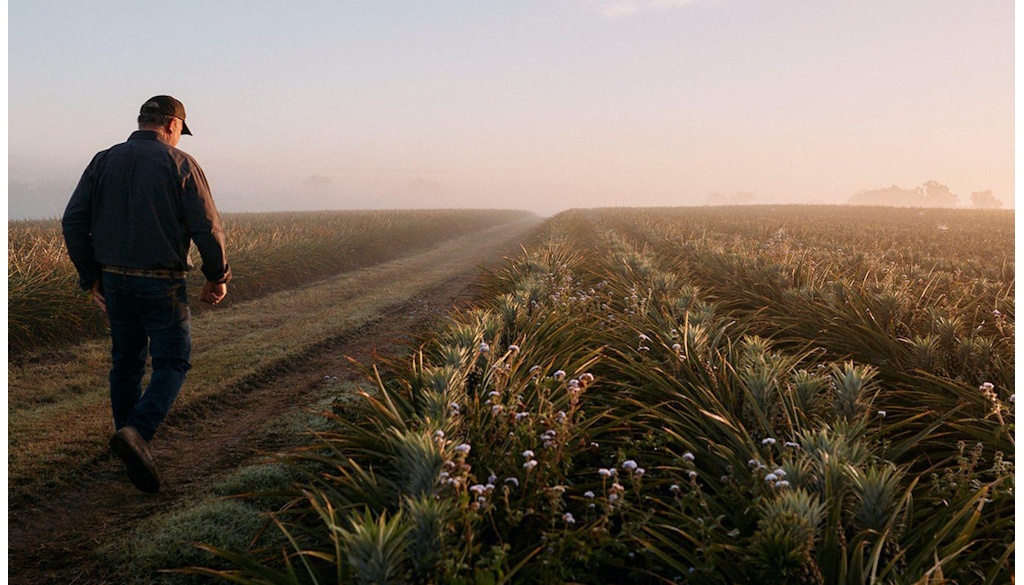
Farrer is not just another electorate. It is vast, regional, and economically diverse, stretching across agricultural hubs, irrigation districts and regional centres that have long formed the backbone of rural Australia. It is also historically conservative territory, held comfortably by the Liberal Party of Australia for decades. On paper, that makes this by-election predictable. In reality, it is anything but.
By-elections, particularly in safe seats, are often less about who wins and more about how they win. Swings—especially against incumbents—can reveal dissatisfaction that is not yet visible in general polling. In that sense, Farrer is less a battleground and more a barometer.
The first and most immediate indicator is turnout. With pre-poll voting now open, early participation levels are being closely watched. Across Australia, pre-polling has steadily increased over the past decade, but spikes in early voting can sometimes reflect voter urgency or disengagement with traditional campaign cycles. In Farrer, where distances are large and communities dispersed, pre-poll voting is also a matter of practicality. But the volume—and more importantly, the demographic mix—may provide early clues about voter sentiment.
Cost of living remains the dominant issue, and it is being felt acutely in electorates like Farrer. Rising fuel prices, higher grocery bills and increased borrowing costs are not abstract economic indicators here—they are daily realities. For farming communities, the pressure is compounded by input costs, from fertiliser to transport, and ongoing uncertainty around water policy in the Murray-Darling Basin.
These concerns cut across traditional party lines. While the Australian Labor Party holds government nationally, it is not contesting Farrer from a position of strength. Instead, it is using the campaign to test messages in regional Australia—particularly around cost of living relief, energy policy and infrastructure investment.
At the same time, minor parties and independents are playing a more prominent role than in previous cycles. This reflects a broader national trend. Voters who may not expect to change the outcome in a safe seat are increasingly willing to use by-elections to send a message. That message may take the form of protest votes, preference flows or simply reduced primary support for the major parties.
For the Liberal Party, the stakes are higher than they might appear. Retaining the seat is expected. Holding it with a strong primary vote is not guaranteed. Any significant swing against the party—even in victory—will be scrutinised as a sign of vulnerability in its traditional heartland.
Regional electorates have become more politically fluid in recent years. Issues such as renewable energy development, transmission infrastructure and land use have created new fault lines. In some areas, these have translated into support for independents or minor parties campaigning on local concerns.
Farrer is not immune to these dynamics. The electorate’s economic base—agriculture, small business and regional services—means that policy debates are filtered through a practical lens. Voters are less interested in ideology than in outcomes. They want to know how policies will affect water access, energy prices, road funding and healthcare availability.
This pragmatism makes Farrer a particularly useful indicator of broader sentiment. When voters here shift, they tend to do so for tangible reasons. And those reasons often resonate well beyond the electorate’s borders.
Another factor shaping the by-election is trust. Across Australia, there is a growing sense of scepticism towards political institutions. This is not confined to any one party. It is a generalised mood that manifests in different ways—lower primary votes, increased support for alternatives, and a willingness to disengage altogether.
By-elections can amplify this sentiment. Without the pressure of determining government, voters may feel freer to express dissatisfaction. That can lead to sharper swings, unpredictable preference flows and outcomes that defy historical patterns.
The presence of pre-poll voting adds another layer to this dynamic. Campaigns must now peak earlier, and narratives can shift while votes are already being cast. A misstep in the final week may not be recoverable if a significant portion of the electorate has already voted. Conversely, early momentum can lock in support before opponents have time to respond.
For political strategists, this compresses the campaign timeline and increases the importance of message discipline. In a seat like Farrer, where local issues dominate, that message must be both relevant and credible.
Nationally, the by-election is being watched for signs of broader trends. Is cost of living pressure translating into electoral backlash? Are regional voters drifting away from traditional party loyalties? Is the rise of independents continuing, or has it plateaued?
"The answers may not be definitive, but they will be indicative."
If the Liberal Party retains Farrer with only a modest swing, it will be interpreted as a sign of resilience. If the swing is larger than expected, it will raise questions about its standing in regional Australia. If minor parties or independents perform strongly, it will reinforce the narrative of a fragmenting political landscape.
For Labor, even a small improvement in vote share would be seen as progress in a difficult seat. For minor parties, the by-election is an opportunity to build visibility and test organisational capacity ahead of a general election.
Ultimately, the significance of the Farrer by-election lies not in its likely outcome, but in what it reveals.
Australia is in a period of economic and social transition. Households are under pressure, industries are adapting to new realities, and political loyalties are becoming less fixed. In this environment, even safe seats can tell important stories.
As pre-poll voting continues and election day approaches, Farrer will offer a snapshot of how these forces are playing out on the ground. It is a local contest with national implications—a reminder that the mood of a nation is often best understood not in capital cities, but in the regions that quietly shape its direction.