

All the reasons you might be having night sweats – and when to see a doctor
- Written by: Siobhan Banks, Research professor, University of South Australia
You’ve finished a workout, so you’re hot and drenched with perspiration – but soon you begin to feel cool again. Later, it’s a sweltering summer evening and you’re finding it hard to sleep, so you kick off the covers.
Sweating is a normal part of the body’s cooling system, helping to release heat and maintain optimal body temperature. But regularly waking up during the night, soaked through from excessive sweating is not.
Night sweats are repeated episodes[1] of excessive or intense sweating at night. They are an unpleasant part of life for many people.
Many conditions and factors can trigger night sweats by changing the body’s tightly regulated temperature set point, at which the body attempts to maintain its core temperature[2]. Some triggers are harmless (a hot bedroom) or even related to positive lifestyle changes (exercise). Others have an underlying cause like menopause, infection, disease or medication.
Temperature control and sweating
The hypothalamus, located in the brain, is part of the endocrine system[3] and the temperature control centre for the body. It contains temperature sensors[4] that receive information from nerve cells (thermoreceptors) located centrally (in the organs) and peripherally in the skin.
Thermoreceptors detect changes in body temperature, sending signals back to the hypothalamus. These signals[5] will either activate sweating to cool the body or shivering to warm the body.
Read more: Why am I so tired and when is it time to see the doctor about it? A GP explains[6]
Hormones and night sweats
Anyone, regardless of age or gender, can experience night sweats. But women experience night sweats more often than men, largely because menopause and associated changing hormone levels are a leading cause[7].
Approximately 80% of women experience hot flashes[8] (also called hot flushes) or night sweats after menopause[9] (when periods have ceased for 12 months) and during perimenopause[10] (the time leading up to it).
While both hot flashes and night sweats produce a feeling of overheating, they are different experiences associated with menopause. Hot flashes occur during the day, are transient episodes of flushing and may involve sweating. Night sweats occur at night and involve an intense period of sweating[11]. Changing oestrogen levels are thought to impact norepinephrine and serotonin levels, two neurotransmitters that influence temperature regulation[12] in the hypothalamus.
Hormones also influence night sweats in men, particularly those with low testosterone[13] levels, known as hypogonadism[14]. Around 38% of men aged 45 years or older have low testosterone levels[15] but it can affect men at any age.
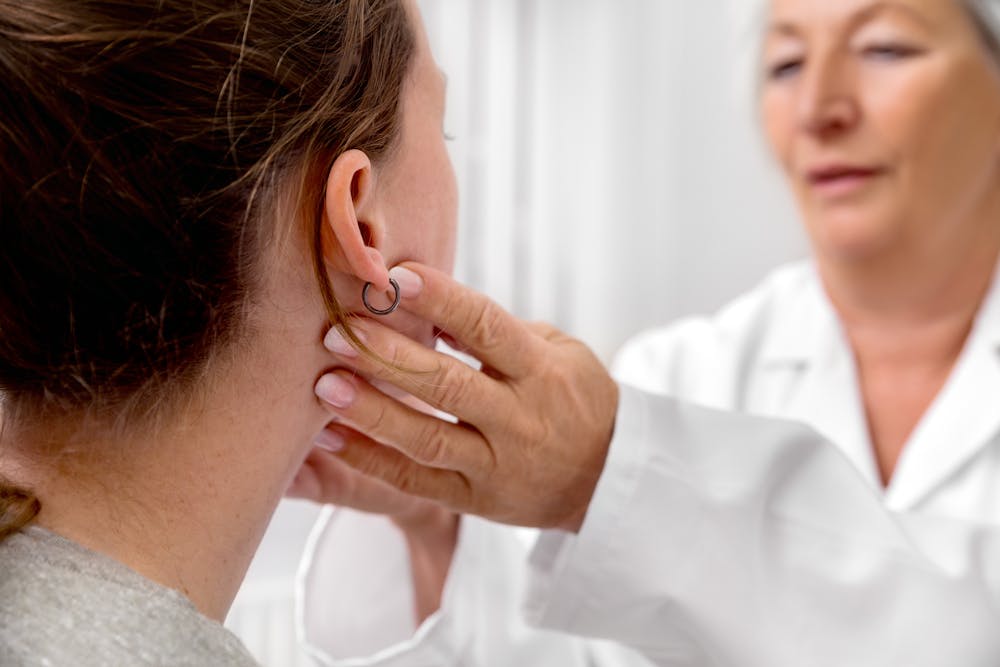
Night sweats that come with other symptoms could be a sign of illness. Shutterstock[16]
Read more: Lots of women try herbs like black cohosh for menopausal symptoms like hot flushes – but does it work?[17]
Infections, disease and medications
When fighting infection, our body temperature often rises[18]. This can stimulate sweating to cool and decrease body temperature[19].
Minor infections like the common cold can cause night sweats. They are also a symptom of serious infections such as human immunodeficiency virus (HIV) and diseases such as Hodgkin’s[20] and non-Hodgkin’s lymphoma[21]. However, night sweats are rarely the only symptom present.
Medications such as selective serotonin reuptake inhibitors (SSRIs), corticosteroids, thyroid hormone replacement and methadone can cause night sweats. These medications affect parts of the brain[22] and neurotransmitters that control and stimulate sweating.
Regular alcohol (particularly alcohol dependence) and recreational drug use can also increase the risk[23] of night sweats.
Stress, snoring and strenuous exercise
Night sweats are commonly reported by people with anxiety[24].
Psychological stress activates the body’s fight or flight system releasing neurotransmitters that increase heart rate, respiration, and blood pressure. This causes the body to heat up, at which point it starts sweating to cool the body back down. Night sweats may also increase anxiety, causing more sweating which in turn leads to less sleep and more anxiety.
If anxiety causes night sweats and this causes distress, it’s best to get up, move around and engage in a calming routine[25], preferably in a dark or dimly lit room.
Night sweats have similarly been connected with sleep disorders like obstructive sleep apnoea[26], where the airway is repeatedly blocked during sleep and there is loud snoring. About one third of people with obstructive sleep apnoea regularly experience night sweats[27]. The exact cause is undetermined but research shows it is linked with low blood oxygen levels (hypoxemia[28]) and/or high blood pressure[29].
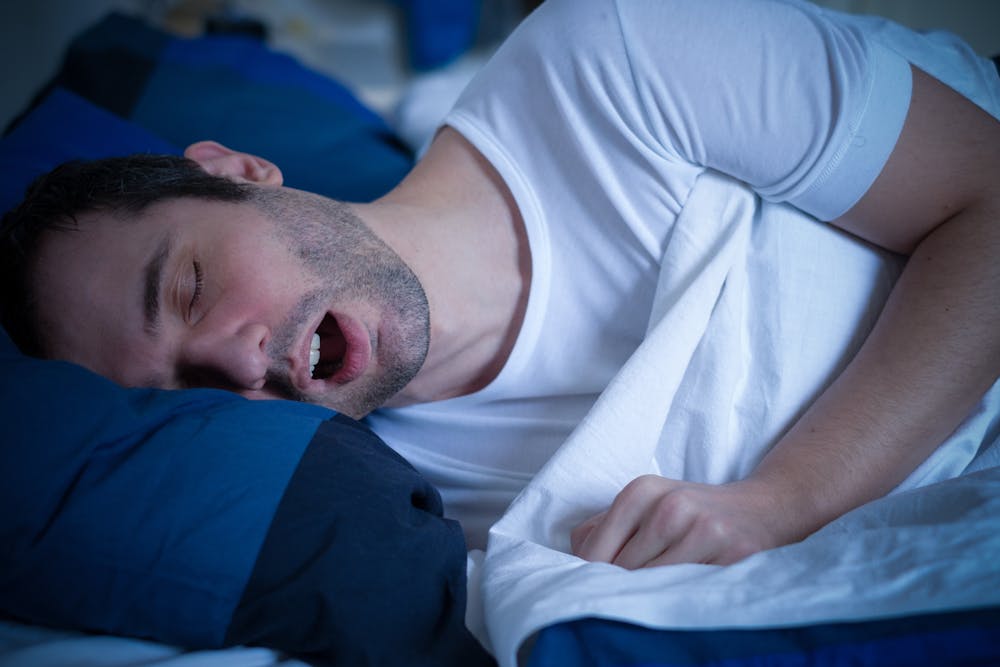
Read more: My snoring is waking up my partner. Apart from a CPAP machine, what are the options?[31]
People can experience night sweats after high-intensity workouts. Vigorous exercise can stimulate the thyroid, increasing basal metabolic rate[32] and body temperature for up to 14 hours post exercise[33]. So night sweats can occur even after a vigorous morning workout.
Night sweats can indicate overtraining and/or under-fuelling. If not enough calories are consumed to support the increase in training, blood sugar could drop and you could experience hypoglycaemia[34], which can cause night sweats.
When to seek help and 5 things to try
There are numerous[35] health conditions and medications that can cause night sweats and interfere with sleep.
If night sweats are regular, distressing, interfere with sleep or are accompanied by symptoms such as fatigue or weight loss (not related to lifestyle or diet changes) talk to a doctor to help determine the cause. They might suggest alternative medications to any you’re taking or recommend tests or investigations.
In the meantime, you can try the following ideas:
1. sleep in a cool room and use a fan if needed
2. don’t overdress for bed. Wear breathable cotton or linen pyjamas
3. choose lightweight bedding you can kick off. Avoid synthetic fibres and flannel bedding
4. consider a cooling mattress or pillow and avoid those (such as foam ones) that can limit airflow
5. avoid spicy foods, caffeine or alcohol before bed.
Read more: 9 signs you have inflammation in your body. Could an anti-inflammatory diet help?[36]
References
- ^ repeated episodes (www.mayoclinic.org)
- ^ core temperature (www.tandfonline.com)
- ^ endocrine system (www.hormones-australia.org.au)
- ^ temperature sensors (www.statpearls.com)
- ^ signals (www.sciencedirect.com)
- ^ Why am I so tired and when is it time to see the doctor about it? A GP explains (theconversation.com)
- ^ a leading cause (www.tandfonline.com)
- ^ hot flashes (link.springer.com)
- ^ menopause (www.menopause.org.au)
- ^ perimenopause (www.healthdirect.gov.au)
- ^ sweating (www.proquest.com)
- ^ temperature regulation (www.ncbi.nlm.nih.gov)
- ^ testosterone (www.healthdirect.gov.au)
- ^ hypogonadism (www.hormones-australia.org.au)
- ^ levels (www.scielo.br)
- ^ Shutterstock (www.shutterstock.com)
- ^ Lots of women try herbs like black cohosh for menopausal symptoms like hot flushes – but does it work? (theconversation.com)
- ^ rises (europepmc.org)
- ^ temperature (www.sciencedirect.com)
- ^ Hodgkin’s (www.aafp.org)
- ^ non-Hodgkin’s lymphoma (link.springer.com)
- ^ brain (link.springer.com)
- ^ increase the risk (link.springer.com)
- ^ anxiety (karger.com)
- ^ calming routine (www.calmclinic.com)
- ^ obstructive sleep apnoea (www.healthdirect.gov.au)
- ^ experience night sweats (link.springer.com)
- ^ hypoxemia (link.springer.com)
- ^ high blood pressure (onlinelibrary.wiley.com)
- ^ Shutterstock (www.shutterstock.com)
- ^ My snoring is waking up my partner. Apart from a CPAP machine, what are the options? (theconversation.com)
- ^ increasing basal metabolic rate (www.ncbi.nlm.nih.gov)
- ^ 14 hours post exercise (journals.lww.com)
- ^ hypoglycaemia (www.aafp.org)
- ^ numerous (www.aafp.org)
- ^ 9 signs you have inflammation in your body. Could an anti-inflammatory diet help? (theconversation.com)










