Efficient Water Carts for Dust Control
- Written by: Times Media
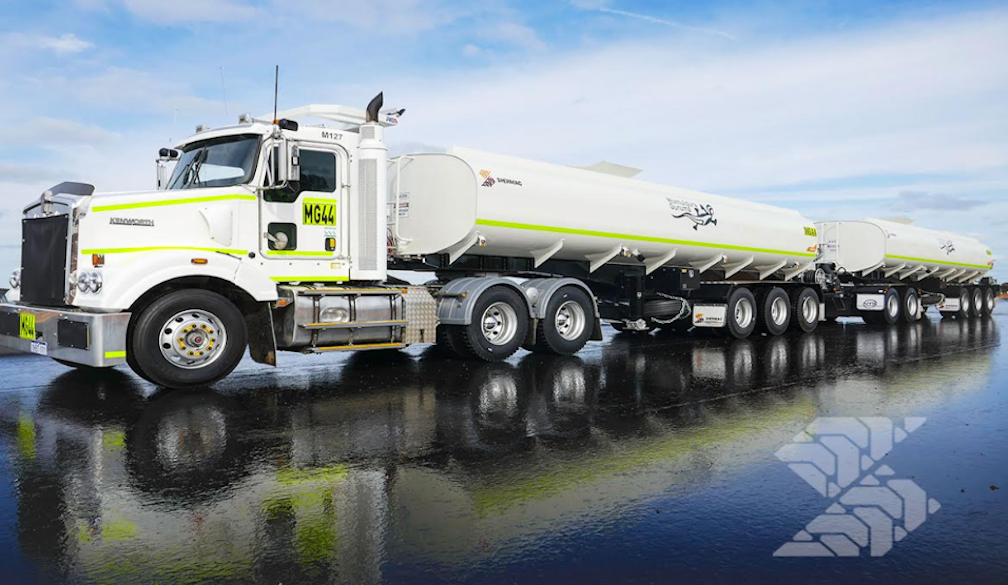
Managing dust effectively is a critical challenge across numerous industries in Australia. From sprawling mine sites and busy construction zones to extensive road networks, airborne particulates pose significant health risks, environmental concerns, and operational inefficiencies. The solution lies in robust, reliable, and highly efficient dust suppression equipment. This is where high-quality water carts prove invaluable, acting as the frontline defence against dust-related hazards.
Investing in the right dust control solutions is not just about compliance; it's about safeguarding personnel, protecting machinery, and maintaining a sustainable operational footprint. Modern water carts are engineered to meet these demanding requirements, offering advanced features and customisable options for various applications.
The Critical Need for Effective Dust Control
Dust generated from earthmoving, crushing, drilling, and vehicle movements can have far-reaching negative consequences. Understanding these impacts highlights why proactive dust control is non-negotiable for responsible businesses.
Health and Safety Risks
Airborne dust, particularly fine particulate matter, presents serious health hazards to workers. Prolonged exposure can lead to severe respiratory conditions such as silicosis, coal workers' pneumoconiosis, and other chronic lung diseases. Beyond respiratory issues, dust significantly reduces visibility on site, increasing the risk of accidents involving vehicles and personnel. This makes dust control a primary component of workplace health and safety protocols.
Environmental Impact
Uncontrolled dust can have detrimental effects on the surrounding environment. It can contaminate nearby water sources, smother vegetation, and degrade air quality in local communities. Runoff from dusty areas can also lead to soil erosion and sediment build-up in waterways. Effective dust suppression minimises these environmental footprints, supporting ecological balance and community relations.
Operational Efficiency and Compliance
Heavy dust can prematurely wear out machinery components, leading to increased maintenance costs, unscheduled downtime, and reduced operational lifespan for valuable assets. Engines clog, filters choke, and moving parts grind down faster. Furthermore, regulatory bodies in Australia, such as state Environmental Protection Authorities (EPAs) and mining safety inspectorates, impose strict dust emission limits. Non-compliance can result in hefty fines, production halts, and reputational damage. Reliable dust control ensures smooth operations and adherence to all legal obligations.
Understanding Modern Water Carts
More than just a tank on wheels, contemporary water carts are sophisticated machines designed for precision dust management and other essential site services. They are engineered to operate in the harshest Australian conditions, delivering performance and reliability.
What are Water Carts?
At their core, water carts are mobile units equipped with large water tanks, pumps, and spray systems. They are primarily used for dust suppression on unsealed roads, stockpiles, and active work areas. However, their utility extends to soil compaction, fire suppression, wash-down duties, and even landscape irrigation. These versatile machines are fundamental to maintaining safe and efficient work environments across various sectors.
Key Features of High-Quality Water Carts
The effectiveness of a water cart hinges on its design and component quality. Premium models integrate several key features to maximise performance and longevity:
- Curved Tank Design: Our unique curved tanks are engineered to improve structural strength, reduce internal stress, and prevent cracking in high-vibration environments common on mine and civil sites.
- Robust Tank Construction: Tanks are typically fabricated from heavy-duty steel or durable poly materials, engineered to withstand impact and corrosion. Capacities range from small skid-mounted units to massive truck-mounted tanks exceeding 30,000 litres.
- Powerful Pumping Systems: High-volume, high-pressure pumps (often centrifugal, driven by PTO or auxiliary diesel engines) are essential for effective water delivery and spray distance. Reliability is paramount in remote locations.
- Advanced Spray Configurations: Various spray heads and nozzles allow for tailored applications. Options include fan sprays for wide area coverage, dribble bars for road wetting, and high-pressure cannons for targeted long-distance dust suppression or fire fighting.
- Intuitive Control Systems: Modern water carts feature in-cabin controls, often with joystick or digital interfaces, allowing operators to manage spray patterns, water flow, and cannon direction with precision. Some even incorporate remote-control capabilities for enhanced safety.
- Heavy-Duty Chassis and Mobility: Whether truck-mounted for maximum transportability, trailer-mounted for versatility, or skid-mounted for integration onto existing vehicles, the chassis must be built for the demanding terrain and loads.
- Safety Features: Essential safety additions include ROPS/FOPS certified cabs, emergency stops, warning beacons, reversing alarms, and strategically placed access points for maintenance.
- Durability for Australian Conditions: Components are selected and manufactured to withstand extreme temperatures, corrosive materials, and constant vibration found in Australian operational environments.
Types of Water Carts for Various Applications
The adaptability of water carts makes them suitable for a diverse range of applications:
- Road Dust Suppression: Essential for unsealed roads on mine sites, construction projects, and rural properties to improve visibility and reduce wear on vehicles.
- Mine Site Dust Control: Used around crushers, conveyors, haul roads, and stockpiles to control fugitive dust emissions, ensuring compliance and worker safety.
- Construction Site Applications: Critical for preparing ground for compaction, general dust control during earthworks, and machinery wash-down.
- Quarry Operations: Similar to mining, used for dust suppression at processing plants, aggregate stockpiles, and haul routes.
- Agricultural Support: While not their primary role, larger water tankers can assist with irrigation or provide water for livestock in remote areas.
- Fire Fighting Support: Many water carts can be equipped with enhanced pump and cannon systems, making them vital assets for initial fire attack or containing spot fires on large sites.
Benefits of Investing in Premium Water Carts
Opting for a high-quality water cart from an Australian manufacturer like Shermac delivers a range of operational benefits. Shermac manufactures mine-spec water carts designed for harsh Australian conditions.
Enhanced Safety and Health
The most immediate and critical benefit is the significant improvement in site safety and worker health. By effectively suppressing airborne dust, water carts drastically reduce the risk of respiratory illnesses. Improved visibility on haul roads and work zones minimises collision risks and creates a safer environment for all personnel and plant operators. This proactive approach to safety can lead to fewer incidents and a healthier workforce.
Regulatory Compliance and Environmental Stewardship
With increasingly stringent environmental regulations, robust dust control is crucial for compliance. Premium water carts help operations meet strict air quality standards set by Australian authorities, avoiding costly fines and potential operational shutdowns. Furthermore, by minimising dust run-off and air pollution, businesses demonstrate genuine commitment to environmental stewardship, enhancing their reputation within the community and with regulatory bodies.
Operational Savings and Productivity
Reducing dust exposure extends the lifespan of expensive heavy machinery by preventing abrasive wear on engines, filters, and moving parts. This translates directly into lower maintenance costs and reduced downtime for repairs. Efficient water distribution systems, sometimes incorporating GPS-linked technology, ensure optimal water usage, conserving a precious resource. A dust-free environment also improves worker comfort and morale, leading to higher productivity and efficiency across the site.
Durability and Longevity
Shermac's commitment to designing and manufacturing equipment specifically for the challenging Australian environment means their water carts are built to last. Using durable materials and robust engineering, these units offer exceptional durability and longevity, even under continuous heavy use. This ensures a reliable asset that maintains its value over many years of service, providing an excellent return on investment.
Choosing the Right Water Cart for Your Operations
Selecting the appropriate water cart requires careful consideration of your specific operational needs and site conditions. A tailored solution will always outperform a generic one.
Assessing Your Needs
Before making a decision, evaluate the following factors:
- Site Size and Terrain: Larger sites or those with extensive road networks will require higher capacity water carts and greater mobility. Hilly or rugged terrain may necessitate specific chassis configurations and engine power.
- Type of Dust: Fine, silty dust may require different spray patterns or water additives compared to coarser aggregate dust.
- Water Source Availability: Consider the accessibility and quality of water sources. Units with fast-fill capabilities are beneficial where water points are numerous, while larger tanks are better for remote access.
- Required Coverage and Spray Distance: Determine the maximum area or distance you need to cover effectively. This will influence the choice of pump power and spray cannon capabilities.
- Budget and Operational Costs: Balance upfront investment with long-term running costs, including fuel efficiency, maintenance requirements, and potential for water conservation.
Customisation and Technology
Leading manufacturers offer extensive customisation options to perfectly match a water cart to its intended application. This can include:
- Specialised tank linings for corrosive liquids.
- Automated watering systems linked to GPS coordinates for precise and efficient dust suppression.
- Integration with existing fleet management systems.
- Variable spray patterns and flow rates controlled from the cabin, optimising water usage.
- On-board water flow meters for accurate usage tracking.
Embracing these technologies can significantly enhance efficiency, reduce operating costs, and improve the overall effectiveness of your dust control program.
Maintaining Your Water Cart for Optimal Performance
To ensure your water cart continues to operate efficiently and reliably, regular maintenance is crucial. A proactive approach will extend its lifespan and prevent costly breakdowns.
Key maintenance practices include:
- Daily Checks: Inspecting hoses, nozzles, and spray bars for blockages or damage. Checking fluid levels and tire pressure.
- Pump Maintenance: Regular servicing of the pump, including checking seals, bearings, and impeller for wear. Ensuring proper lubrication.
- Tank Cleaning: Periodically cleaning the inside of the water tank to prevent sediment build-up and corrosion, especially if using non-potable water sources.
- Filter Replacement: Regularly replacing water filters to prevent blockages in the spray system.
- Structural Integrity: Inspecting the chassis, frame, and tank mounts for cracks, rust, or damage, particularly after operating in challenging conditions.
- Operator Training: Ensuring operators are well-trained in the correct operation and basic daily maintenance of the equipment.
Adhering to the manufacturer's recommended service schedule is the best way to guarantee your water cart performs at its peak, day in and day out.
Conclusion
Effective dust control is an indispensable aspect of modern industrial operations in Australia. The presence of airborne dust poses unacceptable risks to health, safety, and the environment, while also impacting operational efficiency and compliance. High-performance water carts stand out as the cornerstone of any comprehensive dust management strategy.
By investing in purpose-built, durable, and technologically advanced water carts, businesses can significantly mitigate dust-related challenges. They safeguard their workforce, protect valuable assets, ensure regulatory compliance, and demonstrate a commitment to environmental responsibility. Choosing a reliable, Australian-made solution means investing in equipment engineered for local conditions, providing unparalleled performance and peace of mind.
Frequently Asked Questions About Water Carts
What exactly is a water cart used for?
A water cart is primarily used for dust suppression on unsealed roads, construction sites, and mine sites. Beyond dust control, they are also employed for soil compaction, machinery wash-down, fire fighting support, and general water transport for various industrial or agricultural applications.
How do water carts contribute to site safety?
Water carts significantly enhance site safety by reducing airborne dust, which improves visibility for vehicle operators and reduces the risk of respiratory illnesses for workers. By keeping haul roads moist, they also help minimise tyre wear and improve traction, further contributing to a safer working environment.
What types of industries commonly use water carts?
Water carts are essential equipment across a broad range of Australian industries. These include mining, civil construction, quarrying, road building, land development, agriculture, and large-scale industrial sites where dust generation is a common issue.
Are there different sizes of water carts available?
Yes, water carts come in various sizes and configurations to suit different operational scales and requirements. Options range from small skid-mounted units for utility vehicles, trailer-mounted versions, to large truck-mounted water tankers with capacities often exceeding 30,000 litres, designed for heavy-duty applications on expansive sites.
How do I ensure my water cart complies with Australian regulations?
To ensure compliance, it's crucial to select a water cart that meets relevant Australian standards for design, safety, and environmental performance. This includes features like ROPS/FOPS certified cabs and adhering to local EPA dust emission guidelines. Partnering with a reputable Australian manufacturer ensures the equipment is built to meet or exceed these stringent local requirements.