What Is Fatphobia? Understanding the Debate
- Written by: The Times
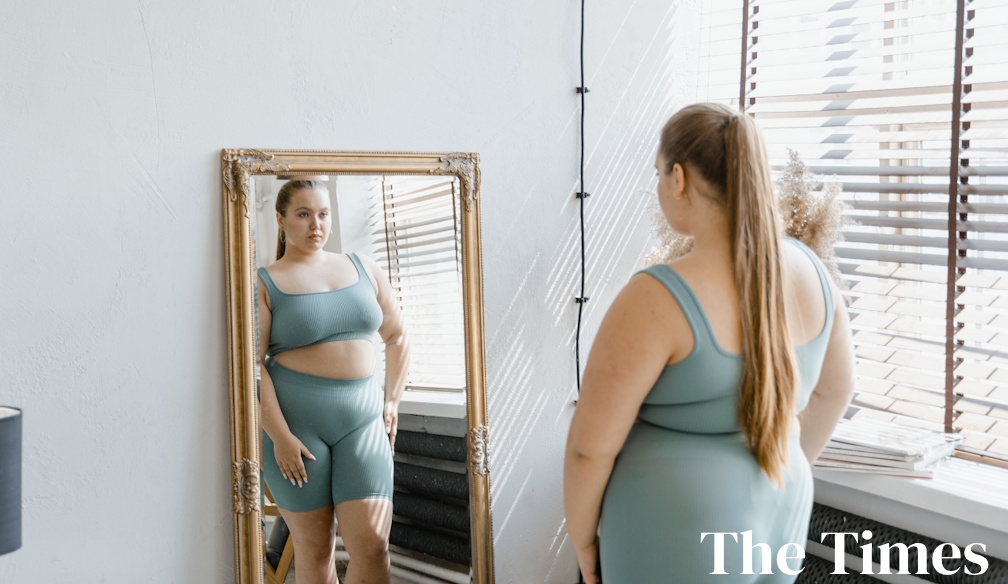
The word "fatphobia" has become increasingly common in discussions about health, body image and social media. It appears in news reports, workplace policies and online debates, yet many people are unsure what it actually means.
At its simplest, fatphobia refers to prejudice, discrimination or negative attitudes directed at people because of their body weight or size.
Like many modern terms, however, its meaning is broader—and more debated—than a dictionary definition alone.
Respect for People
Most Australians would agree that nobody should be bullied, ridiculed or treated unfairly because of their appearance.
People of every shape and size deserve to be treated with dignity.
Weight should never become an excuse for workplace discrimination, social exclusion or personal abuse.
Healthcare professionals also recognise that shaming people about their weight rarely leads to better health outcomes and can discourage some people from seeking medical advice.
The Health Conversation
At the same time, obesity is recognised as a significant health issue.
Medical research has linked excess body fat with an increased risk of conditions including type 2 diabetes, heart disease, high blood pressure, sleep apnoea and some forms of cancer.
Discussing these risks is not, in itself, fatphobia.
Doctors, dietitians and public health authorities routinely encourage healthy eating, regular exercise and weight management because these measures are associated with better long-term health.
Where the Debate Begins
The discussion becomes more complicated when people disagree about where health advice ends and discrimination begins.
Some argue that society places too much emphasis on appearance and unfairly judges people based on body size.
Others believe that concern about obesity is primarily a public health issue and should not be dismissed as prejudice.
Most people probably sit somewhere between those positions.
They believe individuals should be treated with kindness and respect while also accepting that maintaining a healthy weight is generally beneficial.
More Than a Number on the Scales
Health is influenced by many factors.
Diet.
Physical activity.
Sleep.
Genetics.
Medical conditions.
Mental wellbeing.
Socioeconomic circumstances.
Weight is only one part of the overall picture, and two people with similar body sizes may have very different health profiles.
A Better Conversation
Perhaps the most productive approach is to separate the person from the health issue.
Respect the individual.
Encourage healthy habits.
Avoid insults and stereotypes.
Recognise that lasting improvements usually come through education, support and personal commitment rather than criticism or shame.
The Bottom Line
The term "fatphobia" reflects an important conversation about how society treats people who are overweight.
At the same time, acknowledging the health risks associated with obesity is not the same as discriminating against those who live with it.
Australians can hold both ideas at once: every person deserves respect, and good nutrition, regular exercise and healthy body weight remain worthwhile goals for better long-term health.
The challenge is to discuss weight with honesty, compassion and evidence—without reducing people to a number on a scale.