From Farms to Festivals: How Regional NSW Is Repurposing Shipping Containers
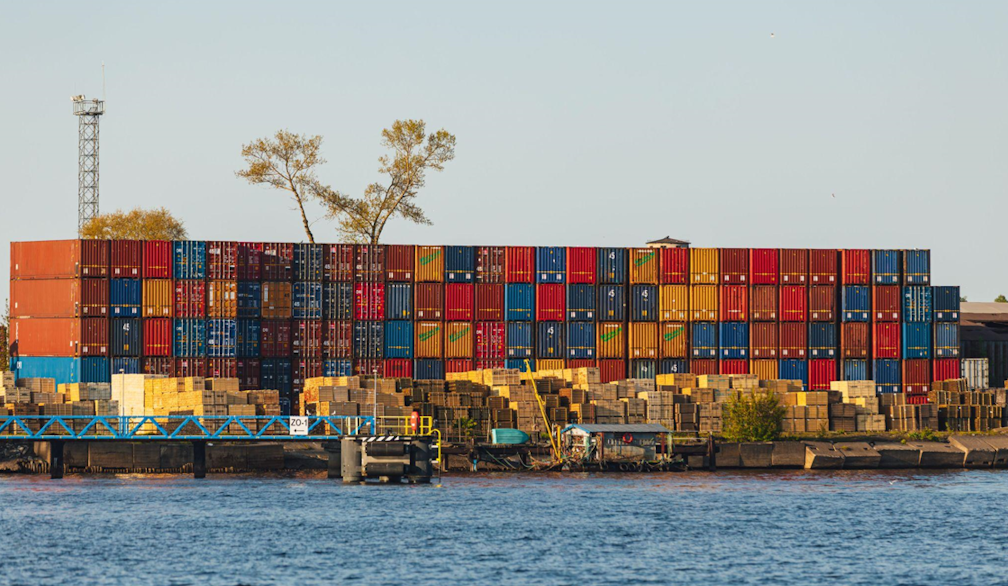
When you travel through regional NSW, you start to notice how resourceful communities can be. Open paddocks, winding country roads, and small town centres all tell stories of people finding creative ways to make the most of what they have. One of the most unexpected sights is the way shipping containers have found their place here. They’re no longer just metal boxes crossing oceans. They’re being refitted, reimagined, and repurposed to support farming, tourism, and festivals, giving regional areas affordable infrastructure that works in harsh conditions.
Farming and Agriculture
On farms, practicality comes first. Equipment needs to be safe from weather and livestock, harvests need cooling, and there’s rarely room for oversized sheds on smaller properties. Containers have stepped in as a straightforward solution. Farmers across NSW use them as secure storage for tools and feed, turning what was once a transport vessel into a lockable, weatherproof shed. With the addition of insulation and modifications, some containers become cool rooms to protect produce during warmer months.
Beyond function, they’re also a financial lifeline for smaller growers. Instead of investing in costly permanent buildings, a container can be placed precisely where it’s needed and moved later if operations shift. In regions where adaptability is key to survival, this flexibility is more valuable than polished facilities. It’s about keeping farms running efficiently without adding unnecessary overheads.
Hospitality and Tourism
Drive into a regional town and you might be welcomed by a café or cellar door built from containers. These spaces don’t feel like makeshift stopgaps. Instead, they offer a quirky edge that draws in visitors looking for something memorable. Wineries, breweries, and farm gate producers have embraced the idea, transforming containers into pop-up tasting rooms and roadside eateries.
For small operators, the appeal is clear. Setting up a permanent restaurant or cellar door can be financially out of reach, while a container provides a ready-made shell that can be styled to match the brand. Tourists get a novel experience, whether it’s sipping wine in a converted container overlooking vineyards or grabbing coffee from a roadside stop that’s as photogenic as it is practical. In regional areas where tourism dollars matter, that extra element of uniqueness helps keep visitors coming back.
Events and Festivals
Regional festivals have become some of the most anticipated gatherings in NSW, from music weekends to seasonal food and wine celebrations. Behind the scenes, shipping containers are quietly doing a lot of the heavy lifting. They’re turned into ticket booths, portable bars, merchandise stalls, and even small performance stages. The solid build makes them safer and sturdier than temporary marquees, while their mobility allows organisers to move them between events with ease.
For communities that rely on these festivals to attract visitors, containers add a level of professionalism without the expense of permanent infrastructure. They also offer creative freedom. A container painted in bright colours or fitted with an open serving window can become an integral part of the festival’s identity, giving each event a unique touch of character. What was once an industrial box now helps create atmosphere in towns where these gatherings are as much about pride as they are about entertainment.
Supporting Local Industry
By turning to shipping containers for sale NSW locals, farmers, and tradespeople are finding simple solutions that suit the regional lifestyle. Mechanics are setting them up as extra workshop space, builders are converting them into site offices, and small retailers are using them to store seasonal stock. Because these containers can be sourced locally, the costs stay manageable and the supply remains steady.
This availability provides regional businesses with an opportunity to grow without overextending. A café might bring in a container to expand its kitchen during the busy tourist season, while a construction crew can move one between job sites as a flexible office. For many in NSW, the practicality of containers is less about novelty and more about meeting everyday needs in a way that fits both budgets and rural conditions.
Sustainability and Future Potential
The reuse of containers has also tapped into the growing focus on sustainability across NSW. Instead of being discarded after their shipping life ends, these steel units are given a second purpose. Repurposing reduces waste, lowers the need for new building materials, and extends the lifespan of structures that might otherwise sit idle. For regional communities that value practicality, this approach makes sense both environmentally and economically.
Looking ahead, containers are likely to find even more varied uses. Schools in smaller towns have already experimented with turning them into classrooms, while community groups have considered them as affordable hubs for local services. As industries evolve, the adaptability of containers ensures they remain a relevant option for meeting changing needs.
Conclusion
From open farmland to bustling festival grounds, shipping containers have quietly reshaped how regional NSW approaches infrastructure. They’ve proven to be more than temporary solutions, offering durability, mobility, and creativity in equal measure. What began as a tool for moving goods across oceans has become a building block for communities, supporting industries and shaping new experiences. With each new use, containers continue to highlight the resourcefulness of regional towns and the strength of their future.