Google AI
The Times Australia
Small Business News

.

Will the Wage Price Index growth ease financial pressure for households?


The Wage Price Index’s quarterly increase of 0.8% has been met with mixed reactions. While Australian wages continue to increase, it was the smallest increase in two and a half years, providing minimal ease to the cost of living. 

Heading into the holiday season, expenses inevitably increase for everyone. Australians have their fingers crossed that inflation will remain below 3% to alleviate some of the economic stress. 

However, industry experts believe the easing of financial pressure may not come as quickly as some might hope. 

Commenting on the current economic trends, Reward Gateway’s managing director APAC Kylie Green shares some insight on how employers can play a role in helping to mitigate the rising costs of living for their employees during these times.

“Today’s Wage Price Index increase will likely be widely welcomed by employees across Australia - particularly following the news that inflation has fallen to its lowest rate in three and a half years. 

While these updates will ultimately encourage the loosening of purse strings, we must also acknowledge that they are not overnight solutions to the ongoing cost of living crisis. 

Despite inflation rates slowing, the cost of most goods and services in Australia continues to rise. While lower petrol and power costs — driven by easing global oil prices and government rebates — have helped offset some of these expenses, they haven’t alleviated the pressure on day-to-day costs for most households.

This is likely felt the most in sectors with modest wage growth, such as arts and recreation, financial and insurance services, media and telecommunications, real estate and wholesale trade. These wage increases, while welcome, may fall short of keeping pace with the current inflationary trajectory. This is where employers come in. 

74% of business and HR decision makers find it difficult to meet staff expectations for salary growth in the current economic climate. However, there are a number of impactful initiatives beyond a traditional pay increase, that can be used to help make their money go further. Especially in the lead up to the busy Christmas period. 

One solution that can be easily integrated in businesses of all sizes, is employee discount programs - an affordable alternative to when a pay increase or Christmas bonus isn’t possible. These programs offer employees discounts for hundreds of retailers, covering everything from the weekly grocery shop to petrol and petcare. What's more, they’ve been proven to increase disposable incomes by 5 to 10%. That’s adding an extra $3,500 annually for an employee earning $70,000 for example! These benefits not only support teams in the short term, but can introduce long-term saving opportunities to help set them up for a strong 2025.”

Property Times

Real Estate and the Federal Budget: Early Signs Emerging Across Australia’s Property Market

Australia’s federal budget has landed, and while economists, investors and political strategists continue dissecting its long-term implications, the property industry is already searching for early signs of where the market may be heading next. Re...

Since the Budget: How the Real Estate Industry Reacted

Australia’s real estate industry has reacted to the federal budget with a mixture of optimism, caution, frustration and uncertainty. For developers and some first-home buyers, parts of the budget have been welcomed as a long overdue attempt to pus...

What Has the Federal Budget Done to Relieve Mortgage Stress?

For millions of Australians struggling with rising home loan repayments, the federal budget prompted one overriding question: did the government actually do anything meaningful to relieve mortgage stress? The answer depends partly on politics, par...

Budget for Misery: Federal Budget Fails to Bridge the Survival Gap

The 2026-27 Federal Budget headlines boast of millions.  Yet the reality on our homeless streets remains a natural-disaster-like zone. While, yet again, the government has overlooked the human disaster of rough sleepers across Australia, the near...

Food & Dining

Restaurants Are Packed Again — So Why Are Australians Spending Less?

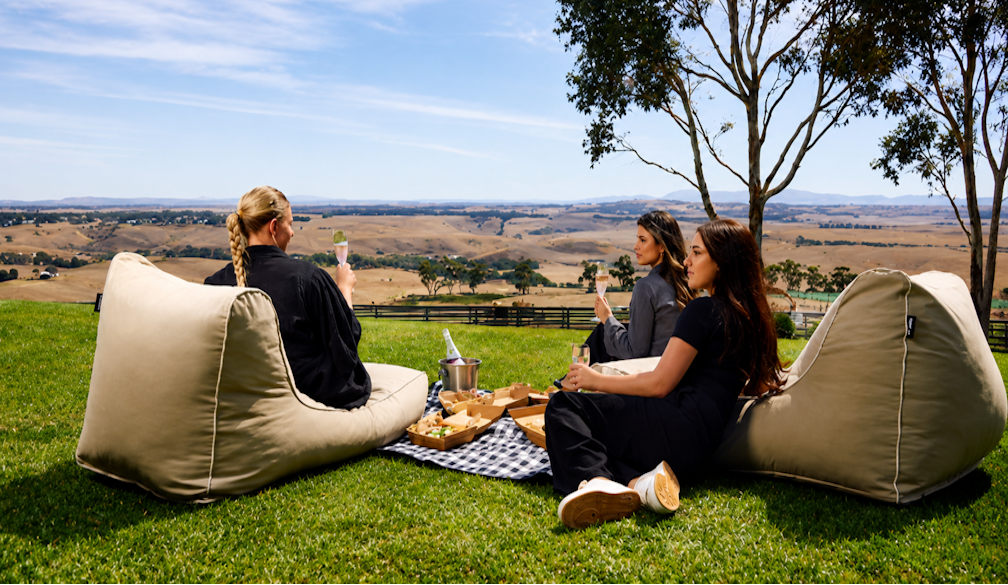
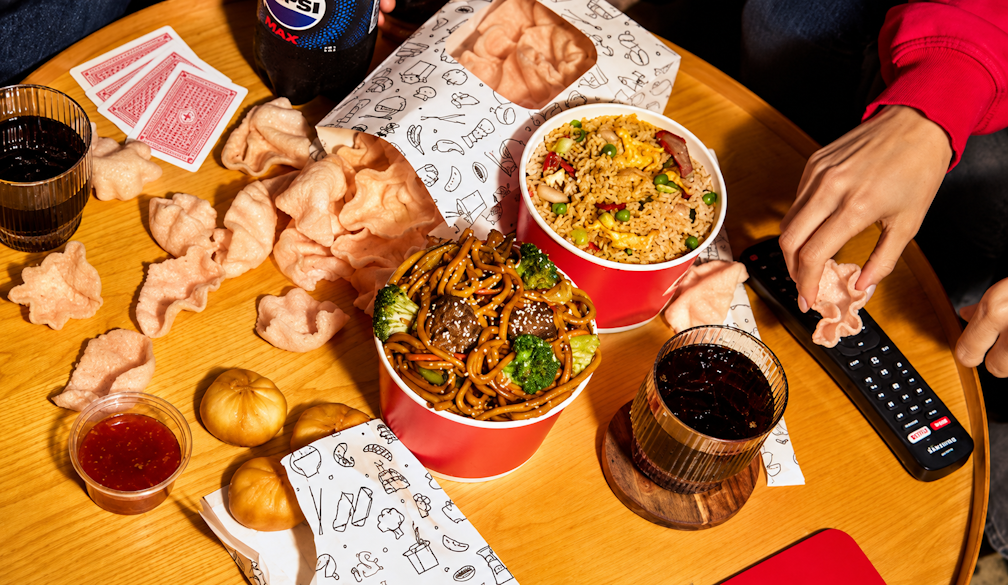
Australians still love dining out. Despite years of inflation, rising interest rates, higher rents and mounting pressure on household budgets, cafes, pubs and restaurants across the country continue to fill tables every weekend. Walk through dining...

Dining Out Is Expensive. Buying High Quality Meat and Fish at the Supermarket Is Becoming the New Luxury

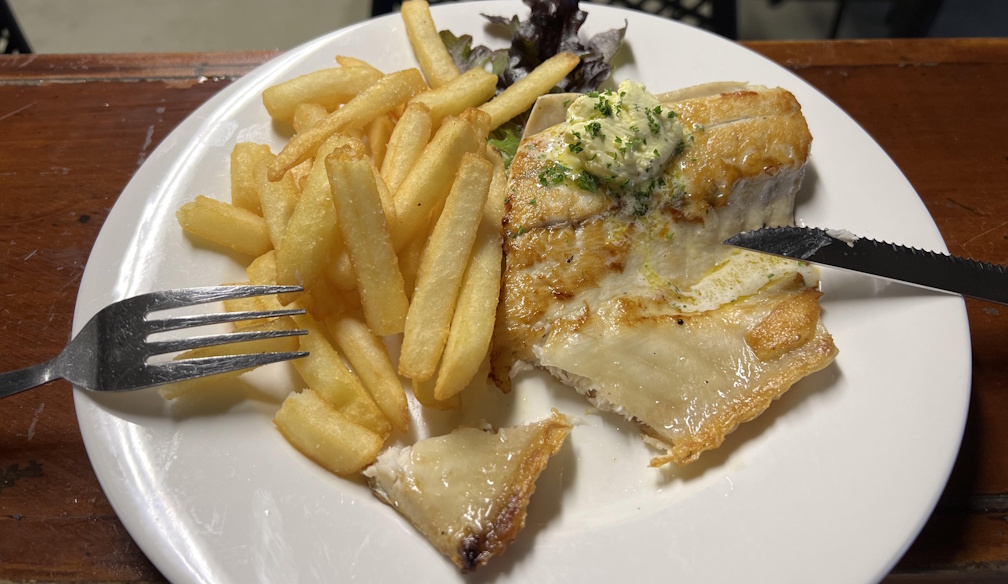
For many Australians, dining out has quietly shifted from a weekly habit to an occasional indulgence. Restaurant prices have climbed sharply over recent years as businesses face higher wages, soaring electricity bills, increased insurance premiums...

A Maple‑Infused World Cocktail Day: Cocktails & Mocktails to Try

With World Cocktail Day coming up on the 13th of May, many people will be looking for fresh ideas to shake up at home, whether they prefer something fruity, sparkling or alcohol free. I’m sharing a set of maple infused cocktails and mocktails on be...

For Many Finances Are Strained But the Dining Out Evening May Not Be Impossible

For many Australians, the cost of living has changed everyday habits. Mortgage repayments are higher, rents have climbed, supermarket prices remain elevated and even modest household bills seem to arrive with greater force than they once did. Dinin...

Business Times

American Business Leaders Went to China: That Market Is Vital for…

When Donald Trump arrived in China accompanied by a powerful entourage of American business leaders, the symbolism was unmi...

Where Our Batteries Come From: Battery making is big business

Batteries are now so deeply embedded in modern life that most people rarely stop to think about them. They power: elect...

Commonwealth Bank’s Share Price Rollercoaster

What It Reveals About Confidence in Australia’s Banking Sector For years, the share price of Commonwealth Bank has been vi...

The Times Features

Restaurants Are Packed Again — So Why Are Australians S…

Australians still love dining out. Despite years of inflation, rising interest rates, higher rents...

Real Estate and the Federal Budget: Early Signs Emergin…

Australia’s federal budget has landed, and while economists, investors and political strategists c...

The Modern Causes of Back Pain and What You Can Do

Key Highlights Modern lifestyles are a major contributor to ongoing back painPosture, movement, a...

What to Know About Adding Natural Oils to Your Wellness…

Key Highlights Natural oils are commonly used to support everyday wellbeingConsistency and qualit...

How Online Mental Health Support Is Changing Access to …

Key Highlights Online mental health services are improving accessibility for many individualsFlex...

Why every drop counts

Accurate water measurement and confidence in Sustainable Diversion Limits (SDLs) are essential to ...

Dining Out Is Expensive. Buying High Quality Meat and F…

For many Australians, dining out has quietly shifted from a weekly habit to an occasional indulgen...

REFLECTIONS: A Legacy in the Rain at Carla Zampatti AFW…

Words & Photography by Cesar Ocampo There is a specific kind of magic that happens when high fa...

Where Our Batteries Come From: Battery making is big bu…

Batteries are now so deeply embedded in modern life that most people rarely stop to think about th...