The Times Australia
Google AI
The Times Politics

.

Biosecurity for a safe Australia and thriving farming sector

  • Written by David Littleproud


The Coalition Government will bolster its commitment to protect Australian agriculture and regional communities.


A new $371 million biosecurity package strengthens Australia’s ability to keep out exotic pests and diseases, and improve our ability to fight an outbreak.


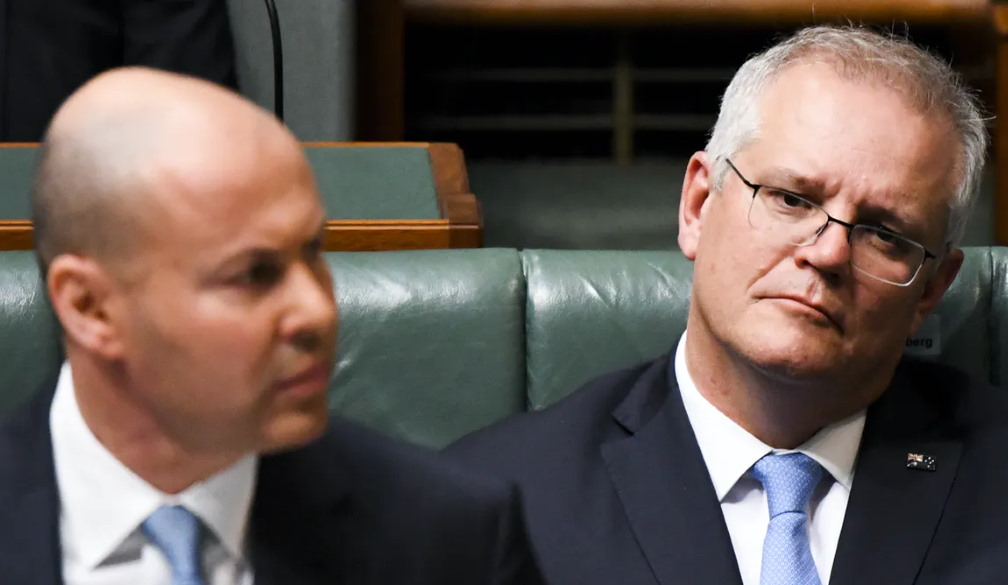
Prime Minister Scott Morrison said the Government is stepping up efforts to stop threats such as African swine fever, khapra beetle and foot and mouth disease entering Australia.


“Protecting our borders is as much about protecting our livestock, crops and environment from diseases that have the potential to devastate them and the livelihoods they support, as it does the health of Australians during COVID-19 or protecting Australia’s national security,” the Prime Minister said.


“Australia’s biosecurity system protects $42 billion in inbound tourism, $53 billion in agricultural exports and 1.6 million Australian jobs across the supply chain.


“This investment is about building a protective ring around Australia to safeguard our industry as well as the rural and regional communities that depend on it. There will never be zero risk but we are committed to reducing the risk where possible.


“We need to make sure agriculture continues to play a leading role in our national economic recovery.”


The package comes after a record $888 million investment in biosecurity and export services in 2020-21 and includes:


  • $34.6 million for research and improved field tools to better understand how pests and diseases could enter the country, particularly in northern Australia.
  • $19.5 million to trial pre-border biosecurity screening technology on inbound and outbound passengers.
  • $1.5 million to review current systems and bust congestion for importers.
  • $96.8 million for the offshore treatment provider assurance program, and data and technology advancements to rapidly identify containers for intervention.
  • $25.5 million for modern technologies to improve the speed and accuracy of pest and disease identification at the border.
  • $28.7 million to expand the Maritime Arrivals and Reporting System to include reporting on international aircraft and non-commercial maritime vessels.
  • $31.2 million to improve management of biosecurity risks associated with incoming international mail, by automating workflow, modernising risk assessment capability and using 3D X-ray technology.
  • $58.6 million to continue and expand the 2019-20 investment in preventing African swine fever (ASF) from entering Australia through: increasing frontline screening activities for ASF; supporting assets and tools to detect porcine products; and capability building exercises in Australia and neighbouring countries to improve detection of and response to ASF outbreaks.
  • $67.4 million to support Australia’s biosecurity preparedness and response capabilities, including delivery of a national scale preparedness exercise to stress-test the biosecurity system; building and maintaining a national surveillance information system on the national animal sector; operational diagnostic equipment for testing and molecular diagnostics; and epidemiological and economic modelling to support surveillance prioritisation.
  • $3.9 million to increase community and business biosecurity awareness through targeted awareness campaigns focusing on significant biosecurity threats such as hitchhiker pests, developing education and communication materials, and conducting social and market research; and
  • $3.2 million, already announced, to trial new industry arrangements that aim to reduce red tape and biosecurity regulatory costs for importers and agricultural businesses.


Minister for Agriculture, Drought and Emergency Management David Littleproud said the package is comprehensive.


“It complements the reforms we are implementing across our biosecurity system, to make it modern, efficient and keep Australians safe,” Minister Littleproud said.


“Those reforms include investment and business improvements to address recommendations made by the independent Inspector-General of Biosecurity, including efforts to manage the unique public health risk posed by passengers and crew on arriving international vessels.


“We are investing in technical solutions to keep biosecurity threats out of Australia, including through new screening technologies for people and goods at the border.


“We will fund a series of ground-breaking trials to screen for biosecurity risks offshore and continue the development of modern, innovative detection systems.


“We are investing in better management of hitchhiker pest risk before they reach Australia, through expanding offshore management of risks and strengthened border interventions of shipping containers, while ensuring the safe, efficient clearance of low-risk commodities.


“Building community and industry awareness of our biosecurity system is also essential to ensuring the effectiveness of the system.


“This is why we are investing to increase importers’ and individuals’ understanding of their role in the system, including through a new biosecurity brand and targeted biosecurity campaigns.


“This package demonstrates our commitment to our agricultural sector and unique environment.”


Fast facts:

  • Recent University of Melbourne Centre for Excellence in Biosecurity Risk Analysis modelling puts the net present value of the biosecurity system at $314 billion over 50 years.
  • This means a $30 return on investment for every dollar we spend on biosecurity over the next 50 years.
  • The national biosecurity system is a key contributor to our farming systems, the wider economy, our environment and biodiversity, our human health and the social fabric of our country.
  • Last year there were over 2.5 million container arrivals into Australia, 19,000 commercial vessel arrivals and 60 million mail items.


Full details of all measures are available at www.awe.gov.au/budget.

Times Magazine

Worried AI means you won’t get a job when you graduate? Here’s what the research says

The head of the International Monetary Fund, Kristalina Georgieva, has warned[1] young people ...

How Managed IT Support Improves Security, Uptime, And Productivity

Managed IT support is a comprehensive, subscription model approach to running and protecting your ...

AI is failing ‘Humanity’s Last Exam’. So what does that mean for machine intelligence?

How do you translate ancient Palmyrene script from a Roman tombstone? How many paired tendons ...

Does Cloud Accounting Provide Adequate Security for Australian Businesses?

Today, many Australian businesses rely on cloud accounting platforms to manage their finances. Bec...

Freak Weather Spikes ‘Allergic Disease’ and Eczema As Temperatures Dip

“Allergic disease” and eczema cases are spiking due to the current freak weather as the Bureau o...

IPECS Phone System in 2026: The Future of Smart Business Communication

By 2026, business communication is no longer just about making and receiving calls. It’s about speed...

The Times Features

Technical SEO Fundamentals Every Small Business Website Must Fix in 2026

Technical SEO Fundamentals often sound intimidating to small business owners. Many Melbourne busin...

Most Older Australians Want to Stay in Their Homes Despite Pressure to Downsize

Retirees need credible alternatives to downsizing that respect their preferences The national con...

The past year saw three quarters of struggling households in NSW & ACT experience food insecurity for the first time – yet the wealth of…

Everyday Australians are struggling to make ends meet, with the cost-of-living crisis the major ca...

The Week That Was in Federal Parliament Politics: Will We Have an Effective Opposition Soon?

Federal Parliament returned this week to a familiar rhythm: government ministers defending the p...

Why Pictures Help To Add Colour & Life To The Inside Of Your Australian Property

Many Australian homeowners complain that their home is still missing something, even though they hav...

What the RBA wants Australians to do next to fight inflation – or risk more rate hikes

When the Reserve Bank of Australia (RBA) board voted unanimously[1] to lift the cash rate to 3.8...

Do You Need a Building & Pest Inspection for New Homes in Melbourne?

Many buyers assume that a brand-new home does not need an inspection. After all, everything is new...

A Step-by-Step Guide to Planning Your Office Move in Perth

Planning an office relocation can be a complex task, especially when business operations need to con...

What’s behind the surge in the price of gold and silver?

Gold and silver don’t usually move like meme stocks. They grind. They trend. They react to inflati...